Are you tired of spending hours at the gym without seeing the results you want? Can you really burn fat without stepping foot in a fitness center? The answer is yes, and it’s easier than you think.
Effective home workouts can be just as efficient as gym sessions. With the right routine, you can achieve your fat loss goals from the comfort of your own home.
Our article will guide you through the most effective exercises and routines to help you get started on your fitness journey.
Key Takeaways
Discover the most effective home exercises for burning fat.
Learn how to create a workout routine that suits your lifestyle.
Understand the benefits of exercising at home for weight loss.
Get tips on how to stay motivated and track your progress.
Explore the convenience and flexibility of home workouts.
Understanding Fat Loss and How Home Workouts Help
Understanding the science behind fat loss is crucial, and home workouts offer a convenient and effective way to burn fat. Fat loss occurs when the body burns more calories than it consumes, a process influenced by factors such as metabolism, diet, and exercise.
The Science of Fat Loss
At its core, fat loss is about creating a calorie deficit. This can be achieved through a combination of reducing caloric intake and increasing physical activity. Exercise, particularly when done regularly and with intensity, can significantly enhance this process by building muscle mass, which in turn boosts resting metabolic rate.
Effective home exercises play a crucial role in this process. They not only burn calories during the activity but can also contribute to increased metabolism post-exercise, a phenomenon known as excess post-exercise oxygen consumption (EPOC).
Benefits of Working Out at Home
Working out at home offers numerous benefits, including convenience, privacy, and cost-effectiveness. It eliminates the need to commute to a gym, allowing for more flexible scheduling and comfort. Moreover, home workouts can be just as effective as gym workouts if done correctly and consistently.
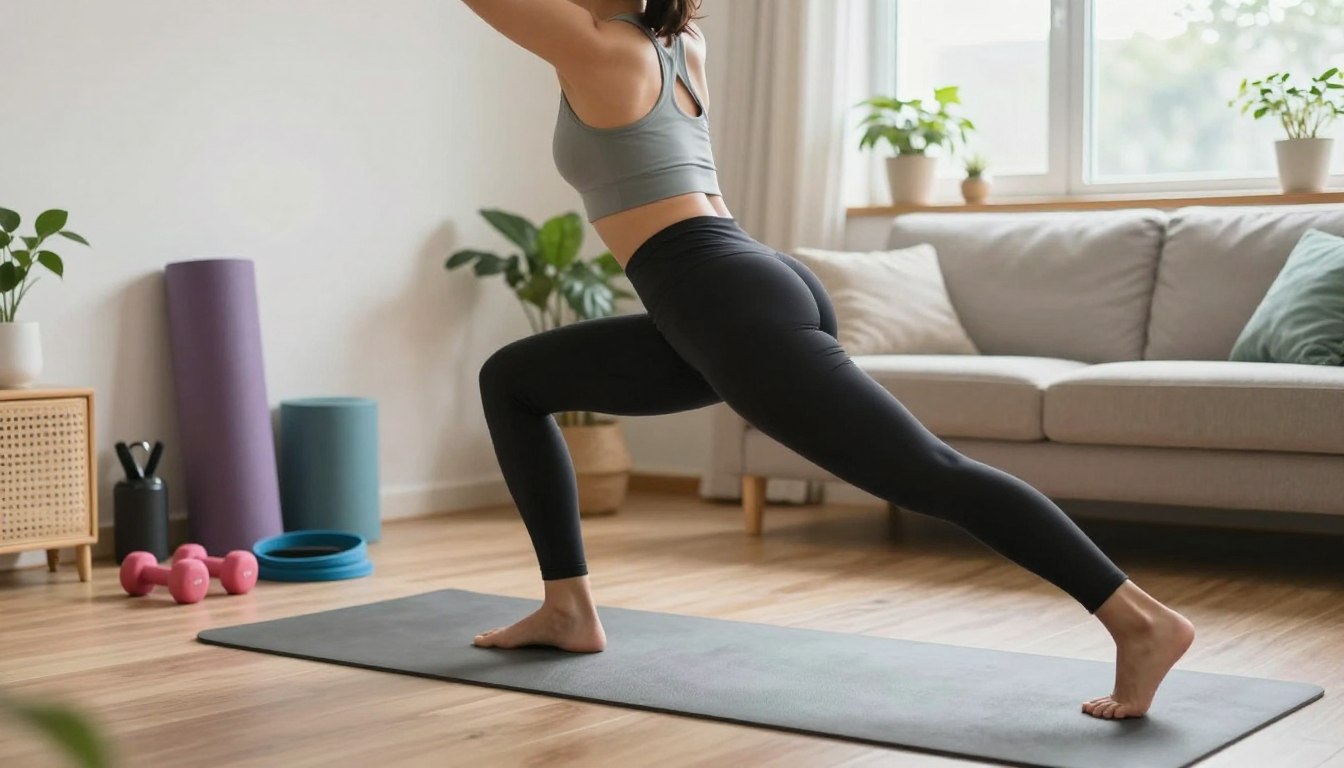
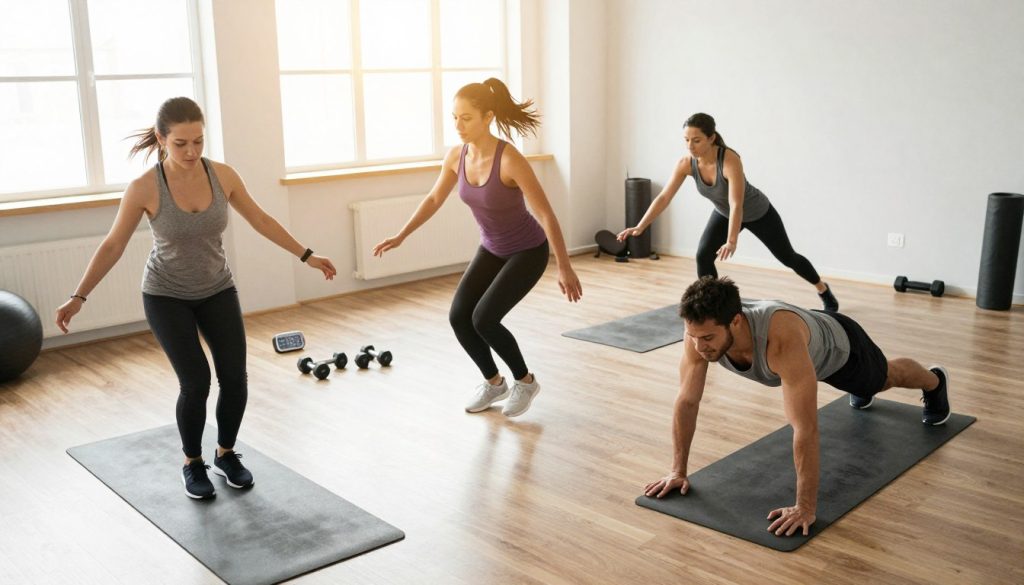
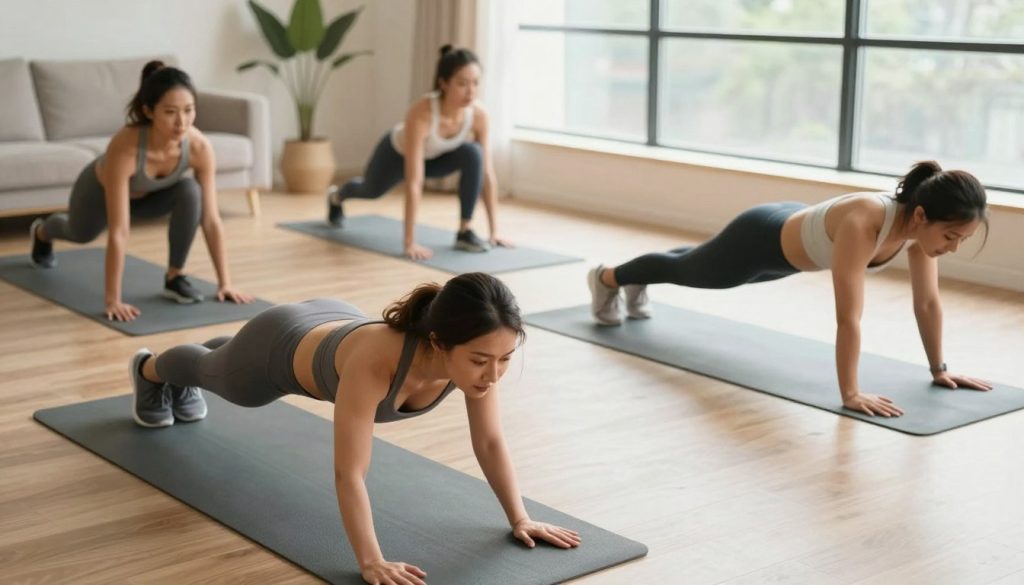
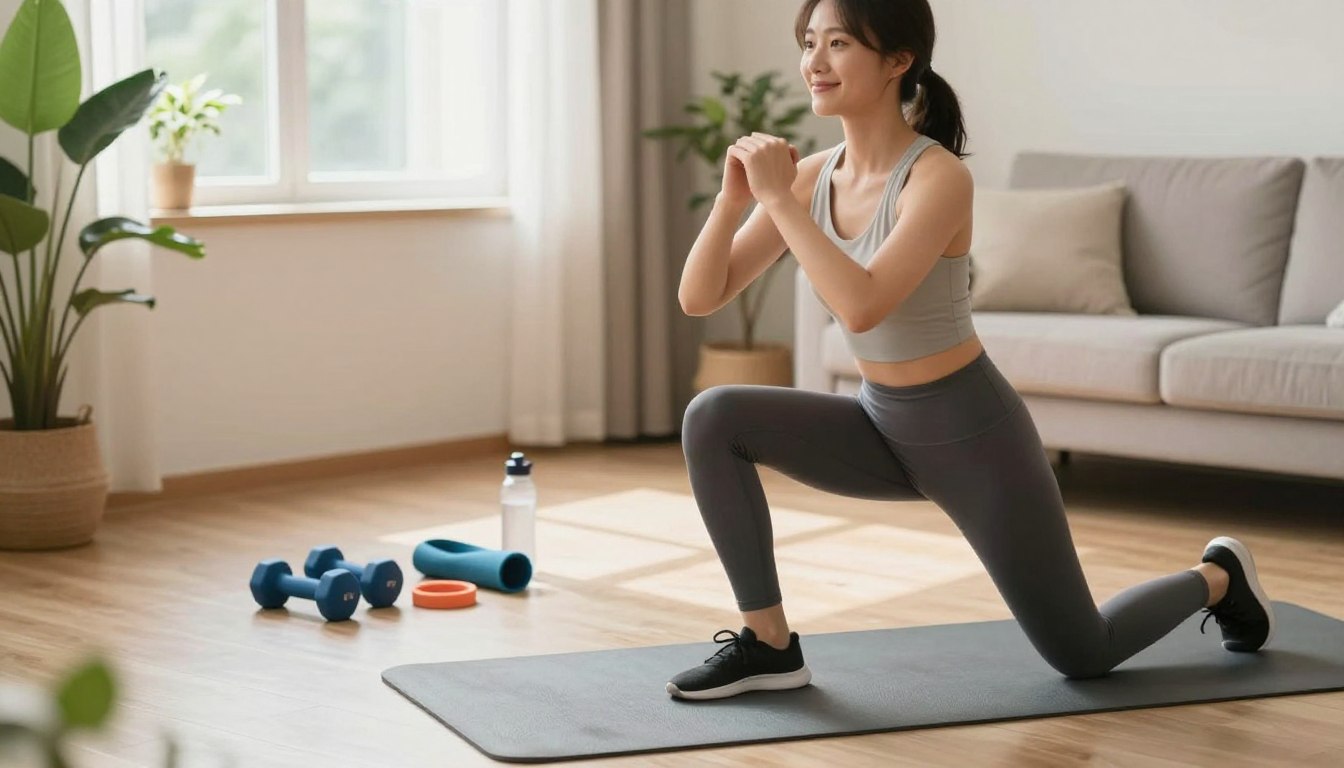
To burn fat at home, one doesn’t necessarily need expensive equipment. Bodyweight exercises, such as push-ups, squats, and lunges, are highly effective. Additionally, incorporating high-intensity interval training (HIIT) can significantly enhance fat loss.
Equipment Options for Home Fitness
While bodyweight exercises are sufficient for many, some individuals may prefer or benefit from additional equipment. Options range from minimal investments like resistance bands or jump ropes to more significant expenditures such as home gym systems or treadmills.
Equipment
Cost
Benefits
Resistance Bands
$10-$30
Portable, versatile, and great for strength training
Jump Rope
$5-$20
Excellent for cardio, improves coordination
Home Gym System
$100-$1000+
Comprehensive, allows for a variety of exercises
Choosing the right equipment depends on personal fitness goals, available space, and budget. It’s also worth considering digital fitness platforms that offer a range of workouts that can be done at home with minimal or no equipment.
Effective Home Workouts for Fat Loss
Effective home workouts can be a game-changer for those looking to lose fat and improve overall fitness. With the right strategies, you can achieve significant fat loss without stepping foot in a gym.
High-Intensity Interval Training (HIIT)
HIIT involves short bursts of intense exercise followed by brief periods of rest. This type of training is highly effective for fat loss because it boosts your metabolism and burns calories long after the workout is completed.
Benefits of HIIT:
Increased metabolism
Improved cardiovascular health
Enhanced fat burning
20-Minute HIIT Routine
A simple yet effective 20-minute HIIT routine can be done at home with little to no equipment. Here’s an example:
Warm-up: 2 minutes of jumping jacks
Burpees: 30 seconds
Rest: 30 seconds
Mountain climbers: 30 seconds
Rest: 30 seconds
Repeat the cycle for 15 minutes
Cool-down: 3 minutes of stretching
Bodyweight Circuit Training
Bodyweight circuit training involves performing a series of exercises in succession with minimal rest in between. This type of training is excellent for building strength and burning fat.
Example Exercises:
Push-ups
Squats
Lunges
Planks
Full-Body Circuit Workout
Here’s a full-body circuit workout you can do at home:
Perform 10 push-ups
Followed by 15 squats
Then 10 lunges per leg
Finish with a 30-second plank
Rest for 1 minute, then repeat the circuit 2-3 times
Tabata-Style Workouts
Tabata is a form of HIIT that involves 20 seconds of all-out effort followed by 10 seconds of rest, repeated for 4 minutes. This protocol can be applied to various exercises.
Benefits of Tabata:
Improved anaerobic capacity
Enhanced fat loss
Increased mental toughness
4-Minute Tabata Workout Examples
Here are a few exercises you can use for a Tabata workout:
Sprints
Burpees
Jump squats
Mountain climbers
For example, sprint in place for 20 seconds, rest for 10 seconds, and repeat for 4 minutes.
By incorporating these effective home workout strategies into your routine, you can achieve significant fat loss and improve your overall fitness.
Best Fat-Burning Exercises You Can Do Anywhere
When it comes to fat loss, the right exercises can make all the difference, and the best part is you can do them anywhere. Incorporating a mix of exercises that target different muscle groups is key to an effective fat-burning routine.
Upper Body Exercises
Upper body exercises are crucial for overall fitness and can be done with minimal equipment. Some effective upper body exercises include:
Push-ups: A classic exercise that targets the chest, shoulders, and triceps.
Dumbbell rows: Works the back and biceps.
Incline push-ups: Targets the upper chest.
Lower Body Fat-Burning Moves
Lower body exercises are essential for building strength and burning fat. Some effective lower body exercises include:
Squats: Works the legs and glutes.
Lunges: Targets the legs and improves balance.
Calf raises: Strengthens the calf muscles.
Core-Strengthening Exercises
A strong core is vital for overall fitness and stability. Some effective core-strengthening exercises include:
Planks: Strengthens the core and improves posture.
Russian twists: Targets the obliques.
Leg raises: Works the lower abs.
Full-Body Compound Movements
Full-body exercises are great for burning fat and improving overall fitness. Some effective full-body compound movements include:
Burpees: A full-body exercise that combines strength and cardio.
Mountain climbers: Targets the entire body and improves agility.
Squat thrusters: Works the legs, glutes, and core.
Exercise
Muscle Group
Equipment Needed
Push-ups
Chest, Shoulders, Triceps
None
Squats
Legs, Glutes
None
Burpees
Full Body
None
Creating Your Home Workouts for Fat Loss Plan
A well-structured home workout plan is the cornerstone of successful fat loss. To achieve your goals, it’s crucial to design a plan that is both effective and sustainable.
When creating your home workout plan, several key factors come into play. First, you need to design a weekly schedule that fits your lifestyle and ensures consistency.
Designing a Weekly Schedule
To design an effective weekly schedule, start by determining how many days you can dedicate to working out. For most people, 3-4 days per week is a good starting point.
Begin with shorter sessions (20-30 minutes) and gradually increase the duration as you build endurance.
Mix and match different types of workouts, such as HIIT, bodyweight circuit training, and strength training, to keep things interesting and prevent plateaus.
Ensure you have rest days in between to allow your muscles to recover.
For example, a sample weekly schedule might look like this:
Day
Workout Type
Duration
Monday
HIIT
30 minutes
Tuesday
Bodyweight Circuit
25 minutes
Wednesday
Rest
–
Thursday
Strength Training
35 minutes
Friday
HIIT
30 minutes
Progressive Overload Techniques
To continue making progress, you need to challenge your muscles progressively. This can be achieved through:
Increasing the number of repetitions or sets over time.
Decreasing rest time between exercises.
Increasing the difficulty of exercises (e.g., progressing from push-ups to diamond push-ups).
“Progress is made when you challenge yourself beyond your comfort zone.”
Tracking Your Progress
Tracking your progress is vital for staying motivated and adjusting your workout plan as needed. Use a workout log or a fitness app to monitor your workouts, weight, and body measurements.
Common Mistakes to Avoid
Avoid common pitfalls such as:
Not warming up properly before workouts.
Neglecting to stretch after workouts.
Not listening to your body and overtraining.
By being aware of these potential mistakes, you can take steps to prevent them and ensure a successful fat loss journey.
Conclusion: Making Home Workouts a Sustainable Habit
Maintaining a consistent home workout routine can be challenging, but with the right mindset and strategies, it can become a sustainable habit. One of the primary home workout challenges is staying motivated and avoiding plateaus. To overcome this, it’s essential to mix up your routine and incorporate new exercises and techniques.
Creating a schedule and tracking your progress can also help you stay on track. Additionally, finding a workout buddy or accountability partner can provide an added motivation to continue your fitness journey. By committing to regular home workouts, you can achieve your fat loss goals and enjoy the long-term benefits of a healthier lifestyle.
Overcoming home workout challenges requires persistence, patience, and creativity. By incorporating the strategies outlined in this article, you can make home workouts a sustainable habit and achieve lasting results.
FAQ
What are the most effective home workouts for fat loss?
High-Intensity Interval Training (HIIT), bodyweight circuit training, and Tabata-style workouts are highly effective for fat loss. These workouts can be done with minimal equipment and are great for burning calories and improving overall fitness.
How often should I do home workouts for fat loss?
For optimal fat loss, aim to do 3-4 home workouts per week, with at least one day of rest in between. You can also incorporate active recovery days, such as light yoga or a brisk walk, to help your body recover.
Do I need any equipment for home workouts?
While some home workouts require equipment, such as dumbbells or resistance bands, many effective exercises can be done with just your body weight. You can also get creative with household items, like water bottles or cans, to add resistance to your workouts.
How long should my home workouts be?
The duration of your home workouts will depend on your fitness level and goals. For fat loss, aim for 20-40 minute workouts, with a mix of cardio and strength training exercises. You can also break up your workouts into shorter intervals, such as 10-15 minute HIIT sessions.
Can I lose weight with just bodyweight exercises?
Yes, bodyweight exercises can be an effective way to lose weight and improve overall fitness. Exercises like push-ups, squats, and lunges work multiple muscle groups at once and can be done anywhere, making them a great option for home workouts.
How do I track my progress with home workouts?
To track your progress, take progress photos, measurements, and track your workouts using a fitness log or mobile app. You can also monitor your weight loss progress by weighing yourself weekly or taking body fat percentage measurements.
What are some common mistakes to avoid when doing home workouts?
Common mistakes to avoid include not warming up or cooling down properly, using poor form, and not challenging yourself enough. It’s also important to listen to your body and rest when needed, as overtraining can lead to injury or burnout.
Are you tired of feeling sluggish and self-conscious about your body? Can you really achieve significant weight loss from the comfort of your own home? The answer is a resounding yes!
With the right beginner workouts and home exercise routines, you can kickstart your journey to a healthier, more energetic you. This guide will walk you through effective fat loss tips for beginners at home, helping you understand how to burn fat efficiently without stepping foot in a gym.
By following this beginner’s guide, you’ll be equipped with the knowledge to create a personalized fitness plan that suits your lifestyle and goals.
Key Takeaways
Understand the basics of burning fat at home
Learn effective beginner workouts for weight loss
Discover simple home exercise routines for a healthier lifestyle
Get tips on maintaining motivation and tracking progress
Explore how to create a personalized fitness plan at home
Understanding the Basics of Fat Loss
Embarking on a fat loss journey can be daunting, but understanding the basics can set you up for success. To start, it’s essential to comprehend how fat loss works, set realistic goals, and maintain consistency throughout your journey.
How Fat Loss Actually Works
Fat loss occurs when your body burns more calories than it consumes, creating a calorie deficit. This deficit can be achieved through a combination of reducing your caloric intake and increasing your physical activity. Eating a balanced diet and exercising regularly are key components of a successful fat loss strategy. Your body uses stored fat for energy when it’s in this deficit state, leading to weight loss over time.
It’s also important to understand that fat loss is not just about losing weight, but about losing body fat while preserving muscle mass. This can be achieved by incorporating strength training into your workout routine, which helps build muscle and boost your metabolism.
Setting Realistic Expectations
Setting achievable goals is crucial for staying motivated on your fat loss journey. Unrealistic expectations can lead to disappointment and frustration. Aiming to lose 1-2 pounds per week is a healthy and sustainable target. This gradual weight loss is more likely to be maintained in the long term.
To set realistic expectations, consider the following factors:
Factor
Realistic Goal
Unrealistic Goal
Weekly Weight Loss
1-2 pounds
More than 3 pounds
Workout Frequency
3-4 times a week
Daily intense workouts
Dietary Changes
Gradual adjustments
Extreme calorie restriction
The Importance of Consistency
Consistency is the backbone of any successful fat loss journey. It’s not just about making drastic changes for a short period but about adopting sustainable lifestyle habits that you can maintain over time. Regular exercise and healthy eating habits, when consistently applied, lead to lasting results.
To stay consistent, it’s helpful to track your progress, celebrate small victories, and find a support system that keeps you motivated. Remember, the journey to fat loss is a marathon, not a sprint.
Creating Your Home Workout Space
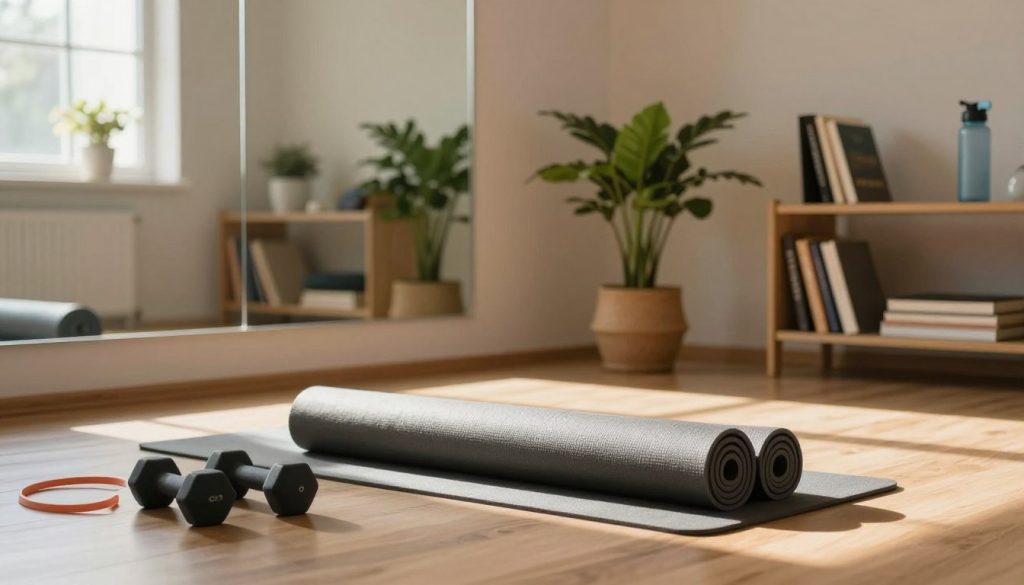
Transforming your home into a fitness haven is easier than you think, and it all starts with creating the right workout space. Having a dedicated area for exercise can significantly boost your motivation and help you stick to your home exercise routines. Whether you’re a beginner or looking to refresh your current setup, this section will guide you through the essentials.
Essential Equipment for Beginners
When starting out, it’s not necessary to invest in a lot of equipment. You can begin with minimal or no equipment at all and gradually add more as you progress in your fitness journey.
No-Equipment Options
Believe it or not, you can have an effective workout without any equipment. Bodyweight exercises like push-ups, squats, and lunges are great for building strength and endurance. You can also use your surroundings to your advantage, such as stairs for step-ups or a chair for dips.
Push-ups
Squats
Lunges
Planks
Budget-Friendly Basics
If you’re ready to invest in some basic equipment, there are several budget-friendly options. Resistance bands, for example, are versatile, portable, and inexpensive. A good quality yoga mat is also a worthwhile investment for comfort and grip during floor exercises.
“The key to a successful workout is not the equipment you use, but the consistency and effort you put into it.”
Making Space in Your Home
Finding space in your home for a workout area can be challenging, especially if you live in a small apartment. However, it’s all about being creative with the space you have. Consider converting a corner of your living room, using your garage, or even working out in your backyard if the weather permits.
Safety Considerations
Safety should be your top priority when setting up your home workout space. Ensure the area is clear of clutter and tripping hazards. If you’re using equipment, follow the manufacturer’s instructions for assembly and use. It’s also a good idea to have a first-aid kit nearby.
Clear the area of clutter
Use proper lighting
Follow equipment instructions
Effective Fat Loss Tips for Beginners at Home
Effective fat loss at home is not just about exercising; it’s about adopting a sustainable lifestyle that incorporates healthy habits and consistent workout routines. As a beginner, it’s essential to start with the basics and gradually build up your fitness journey.
Start with Bodyweight Exercises
Bodyweight exercises are an excellent way to begin your fitness journey without needing any equipment. They help build strength, improve flexibility, and boost metabolism.
Squats, Lunges, and Push-Ups
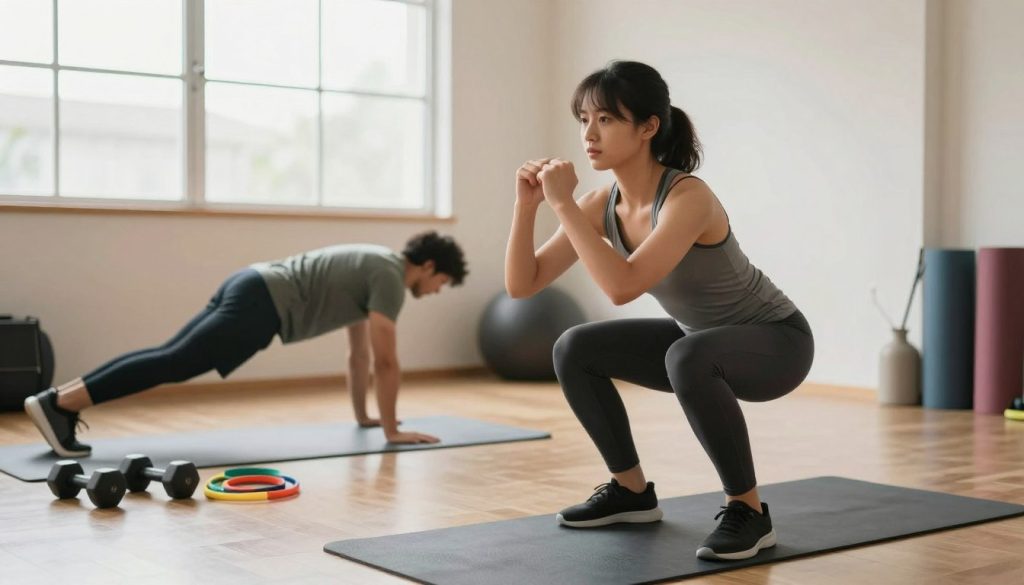
Exercises like squats, lunges, and push-ups are fundamental bodyweight exercises that target multiple muscle groups. Squats work on your legs and glutes, lunges improve balance and strengthen your legs, and push-ups are great for building upper body strength.
Squats: Stand with your feet shoulder-width apart, then bend your knees, and lower your body until your thighs are parallel to the ground.
Lunges: Stand with your feet together, take a large step forward with one foot, and lower your body until your back knee almost touches the ground. Alternate legs.
Push-Ups: Start in a plank position, lower your body until your chest nearly touches the ground, then push back up.
Core-Strengthening Movements
Core exercises are crucial for improving stability and enhancing overall athletic performance. Planks and Russian twists are effective core-strengthening exercises that can be done at home.
Plank: Hold a position with your hands under your shoulders and toes on the ground, keeping your body straight.
Russian Twists: Sit on the floor with your knees bent, lean back slightly, and twist your torso from side to side, touching your hands to the ground each time.
Incorporate High-Intensity Interval Training (HIIT)
HIIT involves short bursts of intense exercise followed by brief periods of rest. It’s highly effective for burning fat and improving cardiovascular health.
Sample 15-Minute HIIT Workout
A simple HIIT workout can include 30 seconds of burpees followed by 30 seconds of rest, then 30 seconds of jump squats, and so on. Repeat for 15 minutes.
“The key to successful fat loss is not just about the type of exercise you do, but also about consistency and intensity.” – Fitness Expert
Add Strength Training to Your Routine
Strength training helps build muscle mass, which in turn boosts your metabolism and aids in fat loss. Use bodyweight exercises or simple equipment like dumbbells to start with.
The Role of Cardio in Fat Loss
Cardio exercises, such as running, cycling, or swimming, are effective for burning calories and improving heart health. Incorporating cardio into your routine can enhance your fat loss journey.
By combining bodyweight exercises, HIIT, strength training, and cardio, you can create a well-rounded fitness routine that supports your fat loss goals. Remember, consistency and patience are key.
Designing Your Weekly Workout Plan
Your path to a healthier you begins with a well-designed weekly workout plan that balances different types of exercises. A balanced workout routine is crucial for achieving your fat loss goals and maintaining overall fitness.
Balancing Different Types of Exercise
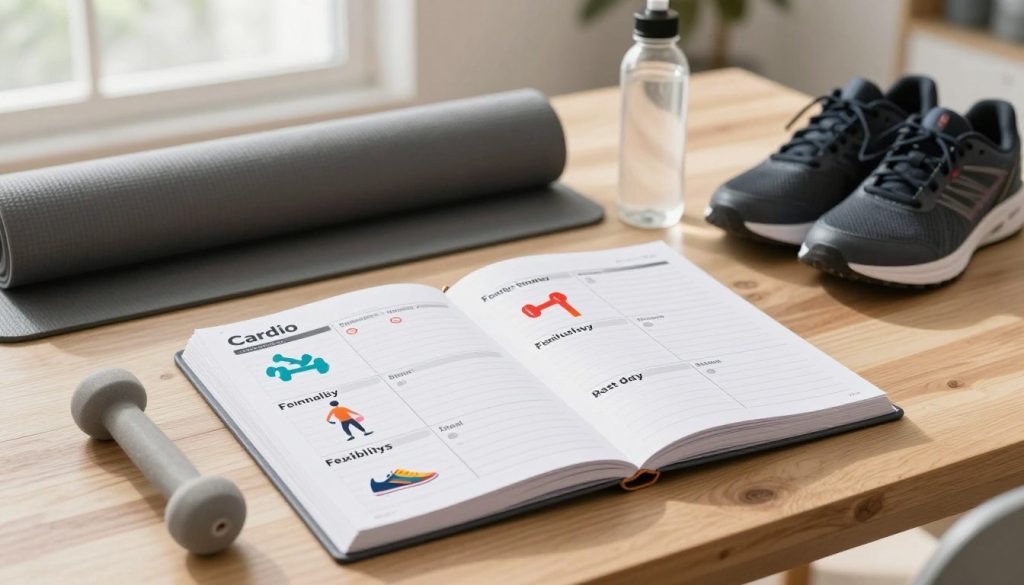
A well-rounded workout plan should include a mix of cardio exercises, strength training, and flexibility workouts. Cardio exercises, such as running or cycling, help burn calories and improve heart health. Strength training, using weights or bodyweight, builds muscle and boosts metabolism. Flexibility workouts, like yoga or stretching, enhance flexibility and reduce injury risk.
For beginners, it’s essential to start with a balance that doesn’t overwhelm. A good starting point is 2-3 days of cardio, 2 days of strength training, and 1-2 days of flexibility exercises per week.
Sample 7-Day Workout Schedule
Here’s a sample 7-day workout schedule for beginners:
Monday: 30 minutes of brisk walking or jogging (Cardio)
Tuesday: Bodyweight strength training (Squats, Push-ups, Lunges)
Sunday: Rest or active recovery (Light walking or stretching)
Progressing as You Get Stronger
As you get stronger and more comfortable with your workout routine, it’s essential to progress your exercises to continue challenging your body. This can be achieved by increasing the intensity, duration, or frequency of your workouts.
When to Increase Intensity
If you find that your current routine is becoming too easy, it’s time to increase the intensity. This can mean adding more weight, doing more repetitions, or decreasing rest time between exercises.
Signs You’re Ready for More Challenge
Signs that you’re ready for a more challenging workout include:
You can complete your workouts with ease.
You’ve noticed significant improvements in your strength and endurance.
You feel bored with your current routine.
Increasing the intensity of your workouts not only challenges your body but also keeps your fitness journey exciting and engaging.
Nutrition Fundamentals for Fat Loss
When it comes to burning fat at home, what you eat is just as important as how you exercise. A well-balanced diet not only fuels your workouts but also supports your body’s fat loss processes.
Creating a Sustainable Calorie Deficit
A calorie deficit is essential for fat loss. This means consuming fewer calories than your body burns. To achieve this sustainably, you need to understand your daily calorie needs.
Calculating Your Calorie Needs
To calculate your calorie needs, consider factors like your age, gender, weight, height, and activity level. There are various online calculators that can help you determine your daily maintenance calories. Once you know this, you can adjust your intake to create a deficit.
Activity Level
Calorie Needs Multiplier
Example Daily Calories
Sedentary
1.2
1,800
Lightly Active
1.375
2,000
Moderately Active
1.55
2,200
Protein, Carbs, and Fats: Finding the Right Balance
Balancing your macronutrients is crucial for fat loss. Protein helps build and repair muscle, carbohydrates provide energy, and fats support hormone production and overall health.
Aim for 1.6-2.2 grams of protein per kilogram of body weight.
Consume complex carbohydrates like whole grains and vegetables.
Include healthy fats like avocados, nuts, and olive oil in your diet.
Meal Planning Tips for Busy Beginners
Meal planning is a game-changer for busy beginners. It helps you stay on track with your diet and saves time during the week.
Simple Meal Prep Strategies
Start by planning your meals for the week, then make a grocery list based on those meals. Prep your ingredients in advance, and cook meals that can be reheated.
Choose recipes that are simple and require minimal ingredients.
Cook in bulk to save time.
Store meals in containers for easy grab-and-go.
Hydration and Its Impact on Fat Loss
Staying hydrated is often overlooked but is crucial for fat loss. Water helps with digestion, reduces hunger, and boosts metabolism.
Aim to drink at least 8-10 glasses of water a day, and adjust according to your activity level and climate.
Common Mistakes Beginners Should Avoid
Losing weight at home requires patience and persistence, but many beginners trip up on common mistakes that can be easily avoided. By understanding these pitfalls, you can stay on track with your weight loss tips and achieve your goals more effectively.
Doing Too Much Too Soon
One of the most significant mistakes beginners make is doing too much too soon. It’s essential to start slowly and gradually increase the intensity of your workouts. This approach helps prevent injuries and burnout, making it a valuable beginner fitness tip. For example, beginning with short, manageable sessions of bodyweight exercises or brisk walking can lay a solid foundation for more intense workouts later on.
Neglecting Recovery and Sleep
Another critical error is neglecting recovery and sleep. Adequate rest is crucial for muscle repair and overall physical recovery. Ensuring you get enough sleep and have rest days in your workout schedule can significantly impact your progress, embodying a key beginner fitness tip. Aim for 7-9 hours of sleep per night and take rest days as needed.
Following Fad Diets
Fad diets might promise quick results, but they are often unsustainable and can be detrimental to your overall health. Instead of following the latest diet trends, focus on developing a balanced eating habit that includes a variety of nutrient-rich foods. This approach not only supports your weight loss journey but also contributes to long-term health, aligning with effective weight loss tips.
Focusing Only on the Scale
Many beginners make the mistake of focusing solely on the scale to measure their progress. However, weight loss is not just about the number on the scale; it’s about adopting a healthier lifestyle. Pay attention to how you feel, your energy levels, and overall well-being. Celebrating these non-scale victories can be incredibly motivating, helping you stay committed to your goals of losing weight at home.
By being aware of these common mistakes and taking steps to avoid them, you can make your weight loss journey more successful and sustainable. Remember, the key to losing weight at home is consistency, patience, and a well-rounded approach that includes both effective exercise and nutrition strategies.
Staying Motivated on Your Fat Loss Journey
The key to a successful fat loss journey lies in maintaining motivation through various strategies. Staying motivated can be challenging, but with the right approach, you can achieve your goals and maintain a healthy lifestyle.
Setting Meaningful Goals
Setting meaningful and achievable goals is crucial for staying motivated. Instead of focusing solely on the number on the scale, consider setting goals related to your overall health and fitness, such as being able to run a certain distance or completing a challenging workout.
For example, you might set a goal to exercise for 30 minutes without stopping or to eat five servings of vegetables every day. These goals should be realistic and attainable, allowing you to track your progress and stay motivated.
Building Healthy Habits
Building healthy habits is another essential aspect of staying motivated on your fat loss journey. This includes developing a consistent exercise routine and making healthy dietary choices.
Start by incorporating easy workouts from home into your daily schedule, such as bodyweight exercises or yoga. Gradually increase the intensity and duration of your workouts as you become more comfortable.
Finding Accountability Partners
Having an accountability partner can significantly boost your motivation. This could be a friend, family member, or personal trainer who can provide support and encouragement throughout your journey.
Joining a fitness community or online forum can also be beneficial, as you can connect with others who share similar goals and challenges.
Celebrating Non-Scale Victories
Celebrating non-scale victories is vital for maintaining motivation. These victories could be related to your overall health, such as increased energy levels, improved sleep, or the ability to perform daily tasks with more ease.
For instance, you might celebrate when you reach a new personal best in your workouts or when you successfully prepare healthy meals for a week. Recognizing these achievements helps to keep you motivated and focused on your long-term goals.
By implementing these strategies, you can stay motivated and committed to your fat loss journey. Remember, the journey to a healthier you is just as important as the destination.
Conclusion: Your Journey to a Healthier You
Embarking on a fat loss journey at home can be challenging, but with the right strategies and mindset, you can achieve your goals. By understanding the basics of fat loss, creating an effective workout space, and incorporating fat loss tips for beginners at home, you’re well on your way to a healthier lifestyle.
Remember, a successful weight loss journey is not just about exercise; it’s also about adopting weight loss tips that work for you, such as maintaining a calorie deficit and focusing on healthy eating for weight loss. By balancing your diet and exercise routine, you’ll be more likely to see sustainable results.
Staying motivated and consistent is key. Celebrate your non-scale victories, and don’t be too hard on yourself when you encounter setbacks. With persistence and the right guidance, you can overcome common obstacles and reach your goals.
Your journey to a healthier you starts now. Stay committed, stay positive, and watch your hard work pay off.
FAQ
What are the best exercises for fat loss at home?
Bodyweight exercises like squats, lunges, and push-ups are great for fat loss. You can also incorporate high-intensity interval training (HIIT) and strength training into your routine.
How often should I work out to lose fat at home?
Aim for at least 3-4 times per week, with a mix of cardio, strength training, and HIIT. Consistency is key to achieving your fat loss goals.
Do I need any equipment to start a home workout routine?
No, you don’t need any equipment to start. Bodyweight exercises are a great way to begin. However, if you want to add variety, consider investing in resistance bands or dumbbells.
How do I create a calorie deficit for fat loss?
To create a calorie deficit, you need to consume fewer calories than your body burns. You can do this by eating a healthy, balanced diet and increasing your physical activity.
What role does nutrition play in fat loss?
Nutrition plays a crucial role in fat loss. Eating a balanced diet that is high in protein, fiber, and healthy fats, and low in processed foods and sugar, can help you achieve your fat loss goals.
How can I stay motivated on my fat loss journey?
Setting meaningful goals, finding accountability partners, and celebrating non-scale victories can help you stay motivated. You can also track your progress and reward yourself for milestones achieved.
What are some common mistakes to avoid when trying to lose fat at home?
Common mistakes include doing too much too soon, neglecting recovery and sleep, following fad diets, and focusing only on the scale. Be patient, consistent, and focus on progress, not perfection.
How long does it take to see results from a home workout routine?
Results vary depending on individual factors, such as starting fitness level, diet, and consistency. With a well-structured workout routine and healthy nutrition, you can start seeing results in a few weeks.