Are you tired of spending hours at the gym without seeing the results you want? Can you really burn fat without stepping foot in a fitness center? The answer is yes, and it’s easier than you think.
Effective home workouts can be just as efficient as gym sessions. With the right routine, you can achieve your fat loss goals from the comfort of your own home.
Our article will guide you through the most effective exercises and routines to help you get started on your fitness journey.
Key Takeaways
Discover the most effective home exercises for burning fat.
Learn how to create a workout routine that suits your lifestyle.
Understand the benefits of exercising at home for weight loss.
Get tips on how to stay motivated and track your progress.
Explore the convenience and flexibility of home workouts.
Understanding Fat Loss and How Home Workouts Help
Understanding the science behind fat loss is crucial, and home workouts offer a convenient and effective way to burn fat. Fat loss occurs when the body burns more calories than it consumes, a process influenced by factors such as metabolism, diet, and exercise.
The Science of Fat Loss
At its core, fat loss is about creating a calorie deficit. This can be achieved through a combination of reducing caloric intake and increasing physical activity. Exercise, particularly when done regularly and with intensity, can significantly enhance this process by building muscle mass, which in turn boosts resting metabolic rate.
Effective home exercises play a crucial role in this process. They not only burn calories during the activity but can also contribute to increased metabolism post-exercise, a phenomenon known as excess post-exercise oxygen consumption (EPOC).
Benefits of Working Out at Home
Working out at home offers numerous benefits, including convenience, privacy, and cost-effectiveness. It eliminates the need to commute to a gym, allowing for more flexible scheduling and comfort. Moreover, home workouts can be just as effective as gym workouts if done correctly and consistently.
To burn fat at home, one doesn’t necessarily need expensive equipment. Bodyweight exercises, such as push-ups, squats, and lunges, are highly effective. Additionally, incorporating high-intensity interval training (HIIT) can significantly enhance fat loss.
Equipment Options for Home Fitness
While bodyweight exercises are sufficient for many, some individuals may prefer or benefit from additional equipment. Options range from minimal investments like resistance bands or jump ropes to more significant expenditures such as home gym systems or treadmills.
Equipment
Cost
Benefits
Resistance Bands
$10-$30
Portable, versatile, and great for strength training
Jump Rope
$5-$20
Excellent for cardio, improves coordination
Home Gym System
$100-$1000+
Comprehensive, allows for a variety of exercises
Choosing the right equipment depends on personal fitness goals, available space, and budget. It’s also worth considering digital fitness platforms that offer a range of workouts that can be done at home with minimal or no equipment.
Effective Home Workouts for Fat Loss
Effective home workouts can be a game-changer for those looking to lose fat and improve overall fitness. With the right strategies, you can achieve significant fat loss without stepping foot in a gym.
High-Intensity Interval Training (HIIT)
HIIT involves short bursts of intense exercise followed by brief periods of rest. This type of training is highly effective for fat loss because it boosts your metabolism and burns calories long after the workout is completed.
Benefits of HIIT:
Increased metabolism
Improved cardiovascular health
Enhanced fat burning
20-Minute HIIT Routine
A simple yet effective 20-minute HIIT routine can be done at home with little to no equipment. Here’s an example:
Warm-up: 2 minutes of jumping jacks
Burpees: 30 seconds
Rest: 30 seconds
Mountain climbers: 30 seconds
Rest: 30 seconds
Repeat the cycle for 15 minutes
Cool-down: 3 minutes of stretching
Bodyweight Circuit Training
Bodyweight circuit training involves performing a series of exercises in succession with minimal rest in between. This type of training is excellent for building strength and burning fat.
Example Exercises:
Push-ups
Squats
Lunges
Planks
Full-Body Circuit Workout
Here’s a full-body circuit workout you can do at home:
Perform 10 push-ups
Followed by 15 squats
Then 10 lunges per leg
Finish with a 30-second plank
Rest for 1 minute, then repeat the circuit 2-3 times
Tabata-Style Workouts
Tabata is a form of HIIT that involves 20 seconds of all-out effort followed by 10 seconds of rest, repeated for 4 minutes. This protocol can be applied to various exercises.
Benefits of Tabata:
Improved anaerobic capacity
Enhanced fat loss
Increased mental toughness
4-Minute Tabata Workout Examples
Here are a few exercises you can use for a Tabata workout:
Sprints
Burpees
Jump squats
Mountain climbers
For example, sprint in place for 20 seconds, rest for 10 seconds, and repeat for 4 minutes.
By incorporating these effective home workout strategies into your routine, you can achieve significant fat loss and improve your overall fitness.
Best Fat-Burning Exercises You Can Do Anywhere
When it comes to fat loss, the right exercises can make all the difference, and the best part is you can do them anywhere. Incorporating a mix of exercises that target different muscle groups is key to an effective fat-burning routine.
Upper Body Exercises
Upper body exercises are crucial for overall fitness and can be done with minimal equipment. Some effective upper body exercises include:
Push-ups: A classic exercise that targets the chest, shoulders, and triceps.
Dumbbell rows: Works the back and biceps.
Incline push-ups: Targets the upper chest.
Lower Body Fat-Burning Moves
Lower body exercises are essential for building strength and burning fat. Some effective lower body exercises include:
Squats: Works the legs and glutes.
Lunges: Targets the legs and improves balance.
Calf raises: Strengthens the calf muscles.
Core-Strengthening Exercises
A strong core is vital for overall fitness and stability. Some effective core-strengthening exercises include:
Planks: Strengthens the core and improves posture.
Russian twists: Targets the obliques.
Leg raises: Works the lower abs.
Full-Body Compound Movements
Full-body exercises are great for burning fat and improving overall fitness. Some effective full-body compound movements include:
Burpees: A full-body exercise that combines strength and cardio.
Mountain climbers: Targets the entire body and improves agility.
Squat thrusters: Works the legs, glutes, and core.
Exercise
Muscle Group
Equipment Needed
Push-ups
Chest, Shoulders, Triceps
None
Squats
Legs, Glutes
None
Burpees
Full Body
None
Creating Your Home Workouts for Fat Loss Plan
A well-structured home workout plan is the cornerstone of successful fat loss. To achieve your goals, it’s crucial to design a plan that is both effective and sustainable.
When creating your home workout plan, several key factors come into play. First, you need to design a weekly schedule that fits your lifestyle and ensures consistency.
Designing a Weekly Schedule
To design an effective weekly schedule, start by determining how many days you can dedicate to working out. For most people, 3-4 days per week is a good starting point.
Begin with shorter sessions (20-30 minutes) and gradually increase the duration as you build endurance.
Mix and match different types of workouts, such as HIIT, bodyweight circuit training, and strength training, to keep things interesting and prevent plateaus.
Ensure you have rest days in between to allow your muscles to recover.
For example, a sample weekly schedule might look like this:
Day
Workout Type
Duration
Monday
HIIT
30 minutes
Tuesday
Bodyweight Circuit
25 minutes
Wednesday
Rest
–
Thursday
Strength Training
35 minutes
Friday
HIIT
30 minutes
Progressive Overload Techniques
To continue making progress, you need to challenge your muscles progressively. This can be achieved through:
Increasing the number of repetitions or sets over time.
Decreasing rest time between exercises.
Increasing the difficulty of exercises (e.g., progressing from push-ups to diamond push-ups).
“Progress is made when you challenge yourself beyond your comfort zone.”
Tracking Your Progress
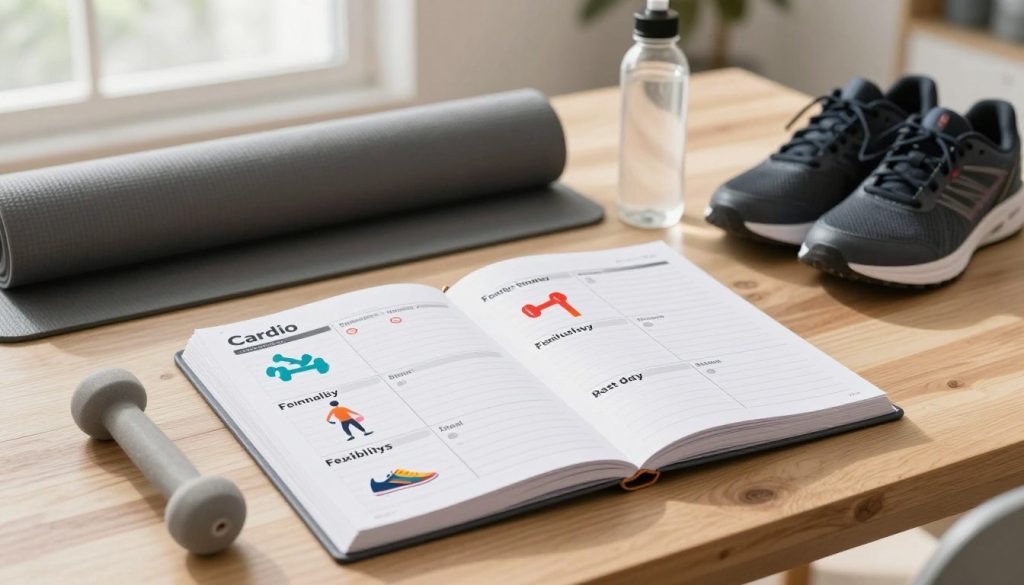
Tracking your progress is vital for staying motivated and adjusting your workout plan as needed. Use a workout log or a fitness app to monitor your workouts, weight, and body measurements.
Common Mistakes to Avoid
Avoid common pitfalls such as:
Not warming up properly before workouts.
Neglecting to stretch after workouts.
Not listening to your body and overtraining.
By being aware of these potential mistakes, you can take steps to prevent them and ensure a successful fat loss journey.
Conclusion: Making Home Workouts a Sustainable Habit
Maintaining a consistent home workout routine can be challenging, but with the right mindset and strategies, it can become a sustainable habit. One of the primary home workout challenges is staying motivated and avoiding plateaus. To overcome this, it’s essential to mix up your routine and incorporate new exercises and techniques.
Creating a schedule and tracking your progress can also help you stay on track. Additionally, finding a workout buddy or accountability partner can provide an added motivation to continue your fitness journey. By committing to regular home workouts, you can achieve your fat loss goals and enjoy the long-term benefits of a healthier lifestyle.
Overcoming home workout challenges requires persistence, patience, and creativity. By incorporating the strategies outlined in this article, you can make home workouts a sustainable habit and achieve lasting results.
FAQ
What are the most effective home workouts for fat loss?
High-Intensity Interval Training (HIIT), bodyweight circuit training, and Tabata-style workouts are highly effective for fat loss. These workouts can be done with minimal equipment and are great for burning calories and improving overall fitness.
How often should I do home workouts for fat loss?
For optimal fat loss, aim to do 3-4 home workouts per week, with at least one day of rest in between. You can also incorporate active recovery days, such as light yoga or a brisk walk, to help your body recover.
Do I need any equipment for home workouts?
While some home workouts require equipment, such as dumbbells or resistance bands, many effective exercises can be done with just your body weight. You can also get creative with household items, like water bottles or cans, to add resistance to your workouts.
How long should my home workouts be?
The duration of your home workouts will depend on your fitness level and goals. For fat loss, aim for 20-40 minute workouts, with a mix of cardio and strength training exercises. You can also break up your workouts into shorter intervals, such as 10-15 minute HIIT sessions.
Can I lose weight with just bodyweight exercises?
Yes, bodyweight exercises can be an effective way to lose weight and improve overall fitness. Exercises like push-ups, squats, and lunges work multiple muscle groups at once and can be done anywhere, making them a great option for home workouts.
How do I track my progress with home workouts?
To track your progress, take progress photos, measurements, and track your workouts using a fitness log or mobile app. You can also monitor your weight loss progress by weighing yourself weekly or taking body fat percentage measurements.
What are some common mistakes to avoid when doing home workouts?
Common mistakes to avoid include not warming up or cooling down properly, using poor form, and not challenging yourself enough. It’s also important to listen to your body and rest when needed, as overtraining can lead to injury or burnout.
Can you achieve significant weight change despite having a hectic schedule? The answer is yes, and it’s more straightforward than you think.
Many individuals struggle to maintain a healthy weight due to their busy lifestyles. However, with the right strategies, you can transform your body without sacrificing your precious time.
This guide is designed to provide you with efficient weight loss tips that fit into your busy routine, helping you achieve your goals without feeling overwhelmed.
Key Takeaways
Efficient strategies for weight loss despite a busy schedule
Simple and effective tips to transform your body
Practical advice on maintaining a healthy weight
Time-saving techniques for a healthier lifestyle
Supportive guidance throughout your weight loss journey
The Unique Challenges of Weight Loss for Busy Individuals
Weight loss for busy individuals is not just about dieting or exercising; it’s about overcoming the specific challenges that come with a hectic lifestyle. Busy individuals often juggle multiple responsibilities, leaving little time for self-care and fitness.
Common Obstacles in a Time-Constrained Lifestyle
Busy people frequently encounter several obstacles that hinder their weight loss efforts. These include:
Limited time for exercise and meal preparation
High levels of stress that can lead to overeating
Lack of energy due to demanding work schedules
Difficulty in maintaining a consistent fitness routine
Understanding these challenges is crucial for developing effective fat loss strategies that fit into a busy schedule.
Why Traditional Weight Loss Advice Often Fails Busy People
Traditional weight loss advice often suggests lengthy workout sessions and complex diet plans, which can be overwhelming for busy individuals. This one-size-fits-all approach fails to account for the unique constraints faced by busy people.
Traditional Advice
Challenges for Busy Individuals
Lengthy workout sessions
Lack of time
Complex diet plans
Difficulty in meal preparation
To succeed, busy individuals need busy schedule fitness tips that are tailored to their lifestyle, focusing on efficiency and practicality. This includes quick workouts and simple, healthy eating strategies.
Fat Loss Transformation for Busy People: The Science That Matters
The journey to fat loss for busy individuals is rooted in metabolic basics and efficient strategies. Understanding how your body processes food and burns fat is crucial for effective weight loss.
Metabolic Basics That Drive Results
Metabolism is the process by which your body converts food into energy. Boosting your metabolic rate can help burn fat more efficiently. This can be achieved through a combination of diet, exercise, and lifestyle changes.
For instance, incorporating protein-rich foods into your diet can enhance metabolic rate due to the higher energy required to digest them. Additionally, staying hydrated and getting adequate sleep are crucial for metabolic health.
The 80/20 Rule: Focusing on High-Impact Activities
The 80/20 rule, or Pareto principle, suggests that 80% of results come from 20% of efforts. In the context of fat loss, this means identifying and focusing on the most effective activities.
For busy individuals, this could mean prioritizing high-intensity interval training (HIIT) or strength training, as these methods are known for their efficiency and effectiveness in burning fat and building muscle.
By applying the 80/20 rule, busy people can achieve significant fat loss results without spending hours at the gym, making it a time-saving weight loss technique.
High-Efficiency Workout Strategies That Take 30 Minutes or Less
Transforming your body doesn’t require hours at the gym. With the right strategies, you can achieve significant fitness results in 30 minutes or less. This is particularly beneficial for busy individuals who struggle to fit traditional workout routines into their tight schedules.
HIIT Workouts: Maximum Results in Minimum Time
High-Intensity Interval Training (HIIT) involves short bursts of intense exercise followed by brief periods of rest. This method is highly effective for burning calories and improving cardiovascular health in a short amount of time. A typical HIIT workout can be completed in under 20 minutes.
Strength Training Shortcuts That Preserve Muscle
When time is limited, focusing on compound exercises such as squats, deadlifts, and bench presses can be highly effective. These exercises work multiple muscle groups simultaneously, ensuring a full-body workout in minimal time. Aim for 2-3 sets of 8-12 reps for each exercise.
Micro-Workouts: How to Fit Exercise Into 5-10 Minute Breaks
For those with extremely tight schedules, micro-workouts can be a game-changer. These are short, intense workouts that can be done in just a few minutes. Examples include a set of jumping jacks, a quick circuit of bodyweight exercises, or a short session of stair climbing.
Workout Type
Duration
Benefits
HIIT
15-20 minutes
High calorie burn, improved cardiovascular health
Strength Training
20-30 minutes
Muscle preservation, increased metabolism
Micro-Workouts
5-10 minutes
Convenient, can be done anywhere
By incorporating these high-efficiency workout strategies into your daily routine, you can achieve your fitness goals even with a busy lifestyle.
Quick and Simple Nutrition Hacks for Busy Schedules
Busy schedules don’t have to derail fat loss efforts when you have the right quick nutrition hacks. With a few simple strategies, you can maintain a healthy diet even on the most hectic days.
90-Minute Meal Prep: A Week’s Worth of Healthy Eating
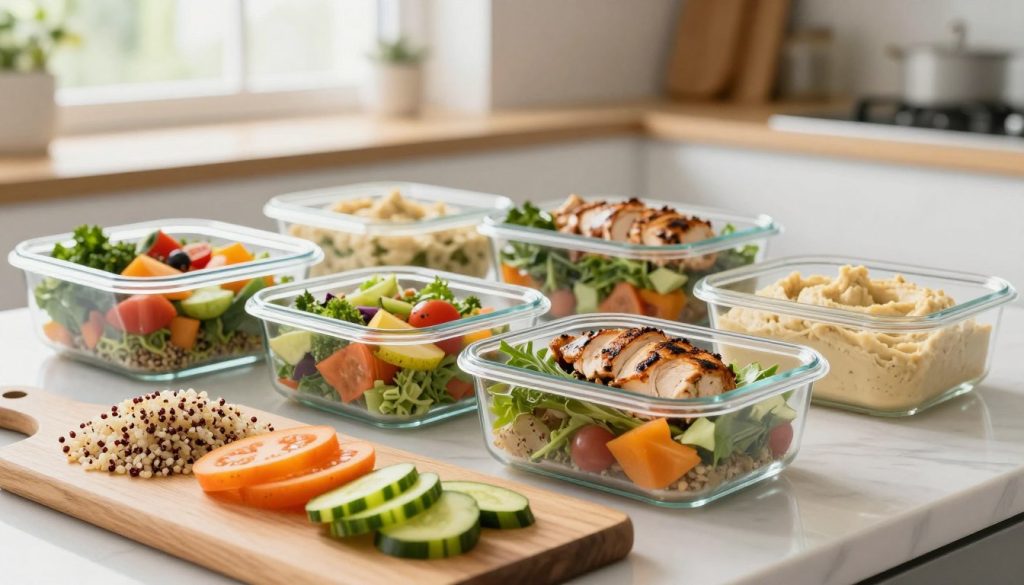
Dedicate just 90 minutes a week to meal prep, and you’ll have healthy meals ready for the entire week. Start by planning your meals around lean proteins, whole grains, and plenty of vegetables. Cook in bulk, portion out your meals, and store them in containers for easy grab-and-go lunches and dinners.
Smart Snacking Strategies for Energy and Fat Loss
Snacking is crucial for maintaining energy levels and supporting fat loss. Opt for nutrient-dense snacks like nuts, fruits, and carrot sticks with hummus. Avoid processed snacks that are high in sugar and unhealthy fats. Prepare your snacks in advance to avoid making unhealthy choices when you’re in a rush.
Restaurant and Takeout Navigation: Making Healthy Choices On-the-Go
Eating out doesn’t have to sabotage your diet. When ordering takeout or dining at a restaurant, choose dishes that are grilled, baked, or steamed. Load up on vegetables and lean proteins, and be mindful of portion sizes. Don’t be afraid to ask for modifications to suit your dietary needs, such as less oil or no added salt.
By incorporating these simple nutrition hacks into your busy lifestyle, you can achieve your fat loss goals without sacrificing flavor or convenience.
Time Management Mastery: Integrating Fitness Into Your Packed Calendar
Mastering time management is crucial for integrating fitness into a busy lifestyle. By adopting effective strategies, individuals can ensure that exercise becomes a non-negotiable part of their daily routine.
Calendar Blocking Techniques for Fitness Consistency
One effective method for ensuring fitness consistency is calendar blocking. This involves scheduling workout sessions in your calendar and treating them as non-negotiable appointments. By doing so, you can avoid overcommitting and ensure that you have dedicated time for exercise.
To implement calendar blocking effectively:
Identify your most productive times of the day
Schedule your workouts during these times
Treat these scheduled workouts as unchangeable commitments
Multitasking Done Right: Combining Fitness With Daily Activities
Multitasking can be an effective way to integrate fitness into a busy schedule. By combining physical activity with other daily tasks, individuals can maximize their time efficiency.
Walking Meetings and Phone Calls
One simple way to multitask is by turning meetings or phone calls into walking sessions. This not only adds physical activity to your day but also can boost creativity and productivity.
Learning While Exercising
Another strategy is to combine exercise with learning. For example, listening to podcasts or audiobooks while jogging or during a home workout can be an efficient way to use your time.
By implementing these time-saving weight loss techniques and weight loss tips for busy schedules, individuals can make significant progress towards their fitness goals without feeling overwhelmed.
Mindset Shifts for Sustainable Weight Loss Success
The journey to transformative fat loss for busy individuals begins with a crucial mindset adjustment that fosters long-term success. Sustainable weight loss isn’t just about short-term changes; it’s about adopting a lifestyle that incorporates healthy habits and a positive mindset.
Overcoming the “Too Busy” Mental Block
One of the most significant obstacles busy individuals face is the “too busy” mental block. This mindset can be overcome by reassessing priorities and identifying time-saving opportunities that can be allocated to health and fitness. Even small moments, like taking the stairs instead of the elevator, can make a difference.
Progress Over Perfection: The Busy Person’s Success Formula
Focusing on progress rather than perfection is key to successful weight loss for busy people. This approach encourages celebrating small victories and maintaining a positive outlook, even when faced with setbacks. It’s about making sustainable lifestyle changes rather than striving for an unrealistic ideal.
Building Micro-Habits That Stick
Building micro-habits is an effective strategy for busy individuals aiming for fat loss transformation. By starting with small, manageable changes, such as drinking a glass of water as soon as you wake up or doing a few push-ups during commercial breaks, you can create lasting habits. These micro-habits can eventually add up to make a significant impact on your weight loss journey.
Tracking Your Progress Without Time-Consuming Obsession
Effective progress tracking for busy individuals involves finding a balance between staying informed and not getting bogged down in details. To achieve this balance, focus on the metrics that matter most.
The Only 3 Metrics Busy People Need to Monitor
Busy individuals don’t need to track every detail of their fitness journey. Instead, focus on three key metrics:
Weight: Monitor overall weight loss progress.
Energy Levels: Track improvements in energy throughout the day.
Workout Performance: Measure progress in workout intensity or duration.
Time-Saving Apps and Tools for Automatic Tracking
Leverage technology to simplify tracking. Some useful apps and tools include:
MyFitnessPal for nutrition tracking.
Strava for workout tracking.
Fitbit for monitoring daily activity.
These tools automate much of the tracking process, saving time and reducing the mental load.
Weekly 5-Minute Assessment: Staying on Course
Set aside five minutes each week to review your progress. Ask yourself:
Did I meet my weekly fitness goals?
Are there any adjustments needed in my nutrition or workout plan?
What’s working well, and what needs improvement?
This quick assessment helps maintain momentum without feeling overwhelmed.
Conclusion: Your Roadmap to Transformative Results
Transforming your body and achieving significant fat loss is within reach, even with a busy lifestyle. By implementing effective fat loss strategies and a tailored workout plan, you can see real progress.
The key is to stay consistent and focused on high-impact activities that drive results. This includes incorporating a workout plan for busy lifestyle that is efficient, such as HIIT workouts and strength training shortcuts, into your daily routine.
By combining these efficient workout strategies with simple nutrition hacks and time management techniques, you can achieve a transformative fat loss journey. Stay committed, track your progress, and celebrate small victories along the way.
With the right mindset and strategies, you can overcome the challenges of a busy schedule and achieve your fat loss goals. Start your journey today and experience the transformative power of a well-designed fitness plan.
FAQ
How can I achieve fat loss with a busy schedule?
By incorporating high-efficiency workout strategies, such as HIIT workouts and micro-workouts, and quick nutrition hacks like 90-minute meal prep and smart snacking, you can achieve significant fat loss despite your busy lifestyle.
What are the most effective workout strategies for busy people?
High-Intensity Interval Training (HIIT) workouts, strength training shortcuts, and micro-workouts are all effective strategies that can be completed in 30 minutes or less, making them perfect for busy individuals.
How can I make healthy eating choices when I’m always on-the-go?
By using 90-minute meal prep, smart snacking strategies, and learning how to navigate restaurant and takeout menus, you can make healthy eating choices even with a busy schedule.
What are some time-saving weight loss techniques?
Techniques like calendar blocking, multitasking, and using time-saving apps and tools for automatic tracking can help you stay on course with your weight loss goals without consuming too much time.
How can I track my progress without getting too obsessed?
By monitoring just three key metrics, using time-saving tracking tools, and doing a weekly 5-minute assessment, you can stay on track without getting bogged down in excessive monitoring.
What mindset shifts are necessary for sustainable weight loss?
Overcoming the “too busy” mental block, focusing on progress over perfection, and building micro-habits that stick are all essential mindset shifts for achieving sustainable weight loss.
Can I really lose weight with just 5-10 minute workouts?
Yes, micro-workouts can be effective for weight loss, especially when combined with other healthy habits like healthy eating and regular physical activity.
How can I fit exercise into my busy daily routine?
By using calendar blocking techniques, multitasking, and taking advantage of opportunities like walking meetings and phone calls, you can fit exercise into even the busiest daily routine.
Are you tired of trying various diets and exercise routines without achieving your desired weight loss goals? Starting a new weight loss journey can be daunting, especially for those who are just beginning.
A well-structured weight loss plan is crucial for success. It not only helps in shedding pounds but also ensures that the weight loss is sustainable in the long run.
So, what’s the key to a successful weight loss journey? It begins with a safe and effective plan tailored to your needs.
Key Takeaways
A well-structured plan is essential for achieving weight loss goals.
A safe and effective plan ensures sustainable weight loss.
Beginners should focus on gradual progress rather than quick fixes.
A healthy diet and regular exercise are crucial components.
Staying motivated is key to long-term success.
Understanding Weight Loss Fundamentals
A successful weight loss journey begins with understanding the science and safety behind it. For beginners, it’s essential to grasp the basics to achieve their weight loss goals effectively.
The Science Behind Weight Loss
Weight loss occurs when the body burns more calories than it consumes. This calorie deficit can be achieved through a combination of diet, exercise, and lifestyle changes. A safe and effective weight loss plan should focus on sustainable changes rather than quick fixes.
Why Safety Matters for Long-Term Success
Safety is crucial in a weight loss plan to ensure it’s sustainable and healthy. Crash diets and extreme exercise routines may lead to short-term results but are often harmful and difficult to maintain. Prioritizing safety helps in achieving long-term weight loss success.
Common Misconceptions About Weight Loss
Many believe that weight loss is solely about cutting out certain food groups or following a specific diet trend. However, a balanced approach that includes a variety of foods, regular physical activity, and mindful eating is more effective.
Myth
Reality
Low-carb diets are the most effective.
A balanced diet with appropriate carb intake is more sustainable.
Exercise alone can lead to significant weight loss.
Combining exercise with dietary changes yields better results.
Understanding these fundamentals can help beginners create a more effective and safe weight loss plan.
Creating a Safe Weight Loss Plan for Beginners
Creating a safe weight loss plan is crucial for beginners to achieve their goals without compromising their health. A well-structured plan helps in setting realistic expectations and avoiding potentially harmful weight loss methods.
Assessing Your Current Health Status
Before starting any weight loss program, it’s essential to assess your current health status. This includes checking your BMI, blood pressure, and overall physical condition. Consulting with a healthcare professional can provide valuable insights into your health and help identify any potential risks.
When to Consult Healthcare Professionals
If you have any underlying health conditions or concerns, it’s vital to consult with healthcare professionals before beginning your weight loss journey. They can offer personalized advice and help you create a plan that suits your needs.
Setting Realistic Expectations
Setting realistic expectations is key to a successful weight loss plan. Aim to lose 1-2 pounds per week for a sustainable weight loss. As
“The key to successful weight loss is setting achievable goals and being consistent.”
A well-planned strategy will help you stay on track and achieve your goals.
Weight Loss Tips
Description
Benefits
Eat a Balanced Diet
Focus on consuming a variety of nutrient-rich foods.
Supports overall health and weight loss.
Stay Hydrated
Drink plenty of water throughout the day.
Helps control hunger and boosts metabolism.
Exercise Regularly
Engage in physical activities that you enjoy.
Enhances weight loss and improves overall fitness.
Setting Achievable Weight Loss Goals
Achieving your ideal weight begins with setting the right milestones. As a beginner, it’s essential to understand that setting achievable goals is crucial for a successful weight loss journey.
Determining Your Healthy Weight Range
To start, you need to determine your healthy weight range. This can be done by using a body mass index (BMI) calculator or consulting with a healthcare professional. They can help you identify a healthy weight range based on your height, age, and body composition.
Creating SMART Weight Loss Goals
Once you have a healthy weight range in mind, create SMART (Specific, Measurable, Achievable, Relevant, Time-bound) weight loss goals. For example, “I want to lose 10 pounds in the next 3 months” is a SMART goal. This approach helps you stay focused and motivated throughout your journey.
Establishing Realistic Timelines
Establishing realistic timelines is vital to avoid frustration and maintain momentum. A safe and sustainable rate of weight loss is 1-2 pounds per week. By setting realistic timelines, you can track your progress and make adjustments as needed.
Nutrition Fundamentals for Beginners
For beginners, navigating the world of weight loss can be simplified by focusing on fundamental nutrition principles. A successful weight loss plan is built on a foundation of understanding how to fuel your body effectively.
Creating a Sustainable Calorie Deficit
To lose weight, you need to create a calorie deficit by consuming fewer calories than your body burns. This can be achieved through a combination of reducing your daily caloric intake and increasing your physical activity. Aiming for a deficit of 500 calories per day can lead to a sustainable weight loss of about 1 pound per week.
Balanced Meal Planning Basics
A balanced diet includes a variety of foods from all food groups. It’s essential to focus on whole, unprocessed foods like vegetables, fruits, lean proteins, and whole grains. Meal planning can help you stay on track and ensure you’re getting the nutrients you need.
Simple Meal Prep Ideas
Preparing meals in advance can save time and help you make healthier choices. Consider cooking large batches of a single ingredient, like rice or beans, and using them throughout the week in different meals.
Portion Control Strategies
Controlling portion sizes is crucial for maintaining a calorie deficit. Using smaller plates and measuring portions can help you develop a better understanding of appropriate serving sizes.
Hydration and Weight Loss
Staying hydrated is often overlooked but is vital for overall health and can support weight loss efforts. Drinking water before meals can help reduce hunger and improve digestion.
Mindful Eating Practices
Mindful eating involves paying attention to your hunger and fullness cues, eating slowly, and savoring your food. This practice can help reduce overeating and improve your overall relationship with food.
Nutrition Tip
Benefit
Eat more protein
Helps with satiety and muscle preservation
Focus on whole foods
Provides essential nutrients and fiber
Stay hydrated
Supports digestion and overall health
Beginner-Friendly Exercise Strategies
Embarking on a weight loss journey can be challenging, but with the right exercise strategies, beginners can set themselves up for success. A well-planned exercise routine not only aids in weight loss but also improves overall health and fitness.
Starting a Simple Exercise Routine
For beginners, starting with simple exercises is crucial. This can include brisk walking, light jogging, or basic bodyweight exercises like push-ups and squats. The key is to begin slowly and build up gradually.
Low-Impact Workouts for Beginners
Low-impact workouts are ideal for those who are just starting out or have mobility issues. These include:
Walking Programs: Simple and effective, walking is a great way to start.
Basic Strength Training: Using light weights or resistance bands can help build muscle.
Walking Programs
A walking program can be as simple as taking a 30-minute brisk walk daily. It’s low-impact and can be done almost anywhere.
Basic Strength Training
Basic strength training involves using light weights or bodyweight to build muscle. Examples include squats, lunges, and push-ups.
Gradually Increasing Activity Levels
As beginners get more comfortable, they should aim to gradually increase their activity levels. This can mean longer workout sessions or more intense exercises.
Incorporating Movement Into Daily Life
In addition to formal exercise, incorporating more movement into daily life can aid in weight loss. This can include taking the stairs instead of the elevator or walking to work.
Exercise Type
Benefits
Examples
Low-Impact
Easier on joints, great for beginners
Walking, Swimming
Strength Training
Builds muscle, boosts metabolism
Squats, Push-ups, Lunges
Lifestyle Changes That Support Weight Loss
Embracing a beginner-friendly weight loss plan means adopting lifestyle changes that support both physical and mental health. While diet and exercise are crucial, other factors play a significant role in achieving and maintaining weight loss.
Improving Sleep Quality
Getting enough quality sleep is essential for weight regulation. Poor sleep can disrupt hormones that control hunger, leading to overeating. To improve sleep quality, establish a consistent sleep schedule, create a relaxing bedtime routine, and optimize your sleep environment by keeping it dark, quiet, and cool.
Managing Stress Effectively
Chronic stress can hinder weight loss efforts by increasing the production of cortisol, a hormone that promotes fat storage. Effective stress management techniques include mindfulness meditation, deep breathing exercises, and engaging in hobbies that bring joy and relaxation.
Building Sustainable Habits
Building sustainable habits is key to long-term weight loss success. This involves setting realistic goals, tracking progress, and making gradual changes that can be maintained over time. It’s also important to be kind to yourself and recognize that setbacks are a normal part of the journey.
Overcoming Common Beginner Challenges
Beginners often face numerous challenges when trying to lose weight, but there are effective strategies to overcome them. A safe weight loss plan for beginners is designed to help navigate these challenges.
Dealing With Plateaus
Weight loss plateaus are common, but changing your routine can help. Try new exercises or adjust your calorie intake to keep progressing.
Managing Hunger and Cravings
Managing hunger is crucial. Eating balanced meals and staying hydrated can reduce cravings and support your weight loss journey.
Staying Consistent Despite Setbacks
Consistency is key. Don’t be discouraged by setbacks; instead, focus on your progress and the reasons you started.
Finding Support Systems
Having a support system can make a significant difference. Join a weight loss community or find a workout buddy to stay motivated.
By understanding these challenges and implementing strategies to overcome them, beginners can successfully follow an easy weight loss plan for beginners and achieve their goals.
Maintaining a Healthy Weight Loss Journey
Embarking on a weight loss journey can be challenging, but with a safe and effective plan, beginners can achieve their goals. By understanding the fundamentals of weight loss, creating a sustainable calorie deficit, and incorporating physical activity, individuals can set themselves up for long-term success.
A well-structured beginners weight loss program should include a weight loss plan for beginners at home, focusing on balanced meal planning, hydration, and mindful eating practices. By adopting safe weight loss strategies for beginners, individuals can avoid common pitfalls and maintain a healthy weight loss trajectory.
By following the guidelines outlined in this article, beginners can create a personalized weight loss plan that suits their needs and lifestyle. Staying consistent, managing setbacks, and finding support systems are crucial to achieving and maintaining weight loss. With persistence and the right mindset, individuals can reach their weight loss goals and enjoy a healthier, more balanced life.
FAQ
What is a safe rate of weight loss for beginners?
A safe rate of weight loss is typically 1-2 pounds per week. This rate supports a sustainable weight loss plan and reduces the risk of health complications.
How do I start a beginner-friendly weight loss plan?
To start, assess your current health status, set realistic expectations, and consult with healthcare professionals if necessary. Begin with small, achievable changes to your diet and exercise routine.
What are some simple weight loss tips for beginners?
Simple tips include creating a calorie deficit, eating balanced meals, staying hydrated, and incorporating physical activity into your daily routine. Mindful eating practices and portion control can also be helpful.
How can I create a sustainable calorie deficit for weight loss?
To create a sustainable calorie deficit, focus on reducing your daily caloric intake by eating nutrient-dense foods, avoiding high-calorie snacks, and controlling portion sizes. Regular physical activity can also help achieve a calorie deficit.
What are some beginner-friendly exercise strategies?
Beginner-friendly exercises include walking programs, basic strength training, and low-impact workouts like yoga or swimming. Gradually increase your activity levels and incorporate movement into your daily life.
How can I manage hunger and cravings while on a weight loss plan?
To manage hunger and cravings, eat regular, balanced meals, stay hydrated, and incorporate healthy snacks into your diet. Practicing mindful eating can also help you develop a healthier relationship with food.
What lifestyle changes support a successful weight loss plan?
Improving sleep quality, managing stress effectively, and building sustainable habits are all lifestyle changes that can support a successful weight loss plan. These changes can help you maintain a healthy weight and overall well-being.
How can I stay consistent with my weight loss plan despite setbacks?
To stay consistent, focus on progress rather than perfection, and don’t be too hard on yourself when you encounter setbacks. Find a support system, whether it’s a friend, family member, or online community, to help motivate you to continue.
What are some common misconceptions about weight loss that I should be aware of?
Common misconceptions include the idea that weight loss requires extreme dieting or that certain foods or supplements can magically lead to weight loss. A safe and effective weight loss plan focuses on sustainable lifestyle changes rather than quick fixes.
How can I determine my healthy weight range?
To determine your healthy weight range, consider factors like your height, age, and body composition. Consult with a healthcare professional to determine a healthy weight range that’s right for you.
Are you tired of fad diets and quick fixes that promise to melt away unwanted body fat? The quest for a leaner, healthier body is a common goal, but it’s often shrouded in confusion and misinformation.
Losing body fat naturally requires a holistic approach that incorporates sustainable lifestyle changes, not just a temporary fix. By focusing on effective weight loss methods, you can achieve a healthier body composition and improve your overall well-being.
Embracing a balanced diet, regular physical activity, and stress management can help you reach your goals. In this article, we’ll explore the most effective tips to support your journey towards a leaner, healthier you.
Key Takeaways
Understand the importance of a holistic approach to losing body fat.
Discover effective and sustainable weight loss methods.
Learn how to incorporate lifestyle changes for long-term results.
Explore the benefits of a balanced diet and regular physical activity.
Find out how stress management can impact your weight loss journey.
Understanding Body Fat and Why It Matters
Knowing about body fat is essential for developing effective fat loss strategies. Body fat is not just a matter of appearance; it plays a critical role in our overall health. Excess body fat can lead to various health issues, making it crucial to understand its different types and impacts.
Different Types of Body Fat and Their Impact
There are several types of body fat, each with its own implications for health. The main types are:
Subcutaneous fat: This is the fat that lies just beneath the skin. While it’s the most visible type, it’s generally considered less harmful than visceral fat.
Visceral fat: Located around the organs, visceral fat is more dangerous as it’s linked to higher risks of chronic diseases like diabetes and heart disease.
Intramuscular fat: This type of fat is stored within the muscle fibers. It’s associated with insulin resistance.
Healthy Body Fat Percentages for Men and Women
Understanding healthy body fat percentages is vital for setting realistic goals. The American Council on Exercise (ACE) provides guidelines for body fat percentages:
Category
Women (%)
Men (%)
Athlete
14-20
6-13
Fitness
21-24
14-17
Average
25-31
18-25
Obese
32+
26+
Health Risks Associated with Excess Body Fat
Excess body fat is linked to numerous health risks, including:
Cardiovascular diseases: High blood pressure, heart disease, and stroke.
Type 2 diabetes: Insulin resistance often associated with excess body fat.
Certain cancers: Increased risk of cancers like breast, colon, and kidney cancer.
Mobility issues: Excess weight can strain joints and reduce mobility.
By understanding these risks and the different types of body fat, individuals can adopt healthy fat loss strategies to reduce their body fat naturally and improve their overall health.
The Science Behind How to Lose Body Fat Naturally
Losing body fat naturally requires a deep understanding of the underlying science that governs fat storage and burning. This knowledge is crucial for developing effective strategies that promote sustainable weight loss.
Creating a Sustainable Caloric Deficit
A caloric deficit occurs when the body burns more calories than it consumes, leading to weight loss. To achieve this, it’s essential to calculate daily caloric needs accurately.
Calculating Your Daily Caloric Needs
To calculate daily caloric needs, consider factors such as age, sex, weight, height, and activity level. Using a reliable caloric needs calculator or consulting with a healthcare professional can provide a more accurate estimate.
The Harris-Benedict Equation is a widely used formula for estimating basal metabolic rate (BMR), which can then be adjusted based on activity level to determine daily caloric needs.
Boosting Your Metabolism for Enhanced Fat Burning
Boosting metabolism is vital for burning body fat efficiently. This can be achieved through a combination of resistance training, high-intensity interval training (HIIT), and other metabolic-enhancing activities.
Balancing Hormones That Influence Fat Storage
Hormones such as insulin, cortisol, and leptin play a significant role in fat storage and metabolism. Balancing these hormones is crucial for effective fat loss.
Insulin, Cortisol, and Leptin Management
Managing insulin levels involves balancing carbohydrate intake and choosing complex carbohydrates over simple sugars. Cortisol management can be achieved through stress reduction techniques such as meditation and yoga. Leptin sensitivity can be improved by getting adequate sleep and maintaining a healthy diet.
Eating a balanced diet that includes protein, healthy fats, and complex carbohydrates
Engaging in regular physical activity to improve insulin sensitivity
Practicing stress-reducing techniques to manage cortisol levels
Nutrition Strategies for Natural Fat Loss
Effective nutrition is the cornerstone of natural fat loss, providing the body with what it needs to burn fat efficiently. A well-balanced diet not only supports fat loss but also ensures overall health and well-being.
Prioritizing Protein for Muscle Preservation and Satiety
Protein plays a vital role in muscle preservation during fat loss. It helps maintain muscle mass while the body burns fat for energy. Additionally, protein promotes satiety, reducing the likelihood of overeating. Aim to include a source of protein in every meal, such as lean meats, fish, eggs, or plant-based options like beans and tofu.
Incorporating Healthy Fats That Support Fat Loss
Not all fats are created equal. Healthy fats, such as those found in avocados, nuts, and olive oil, are essential for hormone production and can support fat loss. These fats also provide a feeling of fullness and can be a valuable part of a weight loss diet.
Choosing Complex Carbohydrates Over Simple Sugars
Complex carbohydrates, like whole grains, fruits, and vegetables, are rich in fiber and nutrients. They digest slowly, providing a sustained energy release and helping to control hunger. In contrast, simple sugars cause a rapid spike in blood sugar followed by a crash, often leading to increased hunger and cravings for unhealthy snacks.
Hydration Techniques to Accelerate Fat Burning
Adequate hydration is crucial for metabolic function and can aid in fat loss. Drinking enough water helps the body’s metabolic processes run smoothly, potentially enhancing fat burning. Additionally, sometimes thirst can be mistaken for hunger, leading to unnecessary snacking. Aim to drink at least eight glasses of water a day, and consider increasing your intake during exercise or hot weather.
By incorporating these nutrition strategies into your daily routine, you can support your body’s natural ability to lose fat and maintain overall health.
Effective Exercises for Burning Body Fat
To shed body fat naturally, it’s vital to incorporate the right exercises into your fitness regimen. Exercise not only burns calories but also helps build muscle mass, which further supports fat loss by increasing your resting metabolic rate.
Building Lean Muscle Through Resistance Training
Resistance training is a cornerstone of any effective fat loss program. By building lean muscle, you increase your metabolism, helping your body burn more calories at rest. This makes it easier to maintain a healthy weight over time.
Key Compound Exercises for Maximum Results
Compound exercises work multiple muscle groups simultaneously, making them highly effective for building strength and muscle mass. Some of the most effective compound exercises include:
Squats: Works the legs, glutes, and core.
Deadlifts: Targets the back, legs, and glutes.
Bench Press: Focuses on the chest, shoulders, and triceps.
Pull-ups: Engages the back, shoulders, and arms.
HIIT Workouts for Efficient Fat Burning
High-Intensity Interval Training (HIIT) involves short bursts of high-intensity exercise followed by brief periods of rest. This type of training is highly effective for burning fat because it pushes your body to its limits, resulting in a significant caloric expenditure both during and after exercise.
Examples of HIIT workouts include sprint intervals, burpees, jump squats, and mountain climbers. These exercises can be adapted to suit different fitness levels and can be done with minimal equipment.
The Role of Steady-State Cardio in Fat Loss
Steady-state cardio involves performing aerobic exercises at a moderate intensity for an extended period. This type of exercise is effective for burning calories and improving cardiovascular health. Common examples include jogging, cycling, and swimming.
While HIIT is more time-efficient for fat loss, steady-state cardio can be a valuable addition to a well-rounded fitness routine, especially for those who are just starting out or looking for low-impact options.
Creating a Weekly Exercise Plan for Optimal Results
To achieve optimal fat loss results, it’s essential to create a balanced weekly exercise plan. This plan should include a mix of resistance training, HIIT workouts, and steady-state cardio. Aim for at least 3-4 days of resistance training and 2-3 days of cardio exercises.
A sample weekly plan might look like this:
Monday: Resistance training (legs and glutes)
Tuesday: HIIT workout
Wednesday: Steady-state cardio (jogging or cycling)
Thursday: Resistance training (upper body)
Friday: HIIT workout
Saturday: Steady-state cardio (swimming or rowing)
Sunday: Rest or active recovery (light yoga or walking)
By combining these exercises into a structured plan, you can maximize your fat loss efforts and achieve a leaner, healthier physique.
Lifestyle Changes That Support Natural Fat Loss
Beyond diet and exercise, several lifestyle factors play a crucial role in natural fat loss. These elements can significantly impact your body’s ability to burn fat and maintain overall health. By incorporating healthy lifestyle habits, you can enhance your weight loss journey and achieve more sustainable results.
Optimizing Sleep Quality for Enhanced Fat Burning
Getting adequate sleep is essential for fat loss. Poor sleep quality can disrupt hormones that regulate hunger and fullness, leading to increased cravings and calorie intake. Aiming for 7-9 hours of sleep per night can help regulate these hormones and support fat burning. Establishing a consistent sleep schedule and creating a sleep-conducive environment can improve sleep quality.
Stress Reduction Techniques to Prevent Fat Storage
Chronic stress can lead to increased fat storage around the abdominal area. This is partly due to the release of cortisol, a hormone that promotes fat retention. Engaging in stress-reducing activities such as meditation, yoga, or deep breathing exercises can help mitigate this effect. Regular practice of these techniques can lead to better stress management and reduced fat storage.
Daily Habits That Naturally Boost Your Metabolism
Certain daily habits can significantly impact your metabolic rate. Incorporating more physical activity into your daily routine, such as taking the stairs instead of the elevator or walking to work, can boost your metabolism. Additionally, non-exercise activity thermogenesis (NEAT) plays a crucial role in this aspect.
Non-Exercise Activity Thermogenesis (NEAT)
NEAT refers to the energy expended on non-exercise activities, such as fidgeting, walking, or doing household chores. Increasing NEAT can be as simple as pacing while on phone calls, doing light stretching during breaks, or gardening. These small actions can add up and make a significant difference in your overall energy expenditure.
By implementing these lifestyle changes, individuals can create a more supportive environment for natural fat loss. It’s about making sustainable changes that promote overall well-being, rather than relying on quick fixes or fad diets.
Common Mistakes to Avoid When Losing Body Fat
When it comes to shedding body fat, many individuals unknowingly make mistakes that hinder their progress. Understanding these common pitfalls can significantly enhance your chances of achieving your body fat loss goals.
Why Crash Diets Sabotage Long-Term Success
Crash diets are notorious for their promise of quick weight loss. However, they often lead to a cycle of deprivation, resulting in a higher likelihood of regaining the lost weight. Avoid extreme calorie restriction, as it can slow down your metabolism and lead to muscle loss. Instead, focus on creating a sustainable caloric deficit that promotes gradual weight loss.
A comparison of crash diets versus sustainable dieting approaches is highlighted in the table below:
Characteristics
Crash Diets
Sustainable Diets
Weight Loss Rate
Rapid
Gradual
Metabolic Impact
Negative
Positive
Long-Term Success
Low
High
Signs of Overtraining and How to Recover
Overtraining is another common mistake that can impede body fat loss. It occurs when you push your body beyond its capacity to recover, leading to fatigue, decreased performance, and potential injury. Listen to your body and recognize the signs of overtraining, such as persistent muscle soreness, insomnia, and irritability.
To recover from overtraining, it’s essential to incorporate rest days into your workout routine and prioritize sleep. Adjusting the intensity and volume of your workouts can also help your body recover.
Focusing on Progress Beyond the Scale
Focusing solely on the scale can be misleading. Body fat loss is not always reflected in weight loss, as muscle gain can sometimes mask fat loss. Instead, track your progress through other means, such as body measurements, progress photos, and how your clothes fit.
By adopting a holistic view of progress, you’ll be more likely to stay motivated and achieve your body fat loss goals. Celebrate small victories along the way, like increased endurance or improved overall health.
Conclusion
Losing body fat naturally is a journey that requires patience, dedication, and a comprehensive approach. By understanding the science behind fat loss and incorporating effective weight loss methods, individuals can achieve their goals and maintain a healthy weight.
A combination of nutrition strategies, such as prioritizing protein and healthy fats, and effective exercises like HIIT workouts and resistance training, can help individuals burn body fat efficiently. Additionally, adopting healthy fat loss strategies, including optimizing sleep quality and reducing stress, can support long-term success.
By avoiding common mistakes like crash diets and overtraining, individuals can ensure a sustainable weight loss journey. It’s time to put these strategies into practice and start achieving a healthier, leaner body.
FAQ
What are the most effective ways to lose body fat naturally?
Losing body fat naturally involves a combination of a healthy diet, regular exercise, and lifestyle changes. Effective methods include creating a sustainable caloric deficit, boosting metabolism, and balancing hormones that influence fat storage. Incorporating resistance training, HIIT workouts, and steady-state cardio can also help burn body fat.
How can I boost my metabolism to enhance fat burning?
Boosting metabolism can be achieved through a combination of resistance training, high-intensity interval training (HIIT), and incorporating metabolism-boosting foods into your diet. Additionally, getting enough sleep, staying hydrated, and managing stress levels can also help support a healthy metabolism.
What role do hormones play in fat storage and loss?
Hormones like insulin, cortisol, and leptin play a significant role in fat storage and loss. Insulin regulates blood sugar levels, cortisol influences fat distribution, and leptin helps control energy balance. Balancing these hormones through a healthy diet, regular exercise, and stress management can support natural fat loss.
How important is sleep quality for fat loss?
Sleep quality is crucial for fat loss as poor sleep can disrupt hormones that regulate hunger and fullness, leading to overeating and weight gain. Optimizing sleep quality through a consistent sleep schedule, a relaxing bedtime routine, and a sleep-conducive environment can help support natural fat loss.
Can stress affect my ability to lose body fat?
Yes, chronic stress can negatively impact fat loss efforts by increasing cortisol levels, which can promote fat storage around the midsection. Engaging in stress-reducing activities like meditation, yoga, or deep breathing exercises can help mitigate this effect and support natural fat loss.
How can I avoid common mistakes when trying to lose body fat?
Avoiding common mistakes like crash diets, overtraining, and focusing solely on the scale can help support long-term fat loss success. Instead, focus on progress through measurements, progress photos, and overall health markers, and prioritize a balanced diet and regular exercise.
What is the role of nutrition in natural fat loss?
Nutrition plays a vital role in natural fat loss by providing the body with the necessary fuel to function optimally. Prioritizing protein, incorporating healthy fats, and choosing complex carbohydrates over simple sugars can help support fat loss. Additionally, staying hydrated through adequate water intake can also help accelerate fat burning.
How can I create a weekly exercise plan for optimal fat loss results?
Creating a weekly exercise plan that includes a mix of resistance training, HIIT workouts, and steady-state cardio can help support optimal fat loss results. Aim to include a variety of exercises that target different muscle groups, and allow for adequate rest and recovery time to avoid overtraining.
Are you tired of feeling sluggish and self-conscious about your body? Can you really achieve significant weight loss from the comfort of your own home? The answer is a resounding yes!
With the right beginner workouts and home exercise routines, you can kickstart your journey to a healthier, more energetic you. This guide will walk you through effective fat loss tips for beginners at home, helping you understand how to burn fat efficiently without stepping foot in a gym.
By following this beginner’s guide, you’ll be equipped with the knowledge to create a personalized fitness plan that suits your lifestyle and goals.
Key Takeaways
Understand the basics of burning fat at home
Learn effective beginner workouts for weight loss
Discover simple home exercise routines for a healthier lifestyle
Get tips on maintaining motivation and tracking progress
Explore how to create a personalized fitness plan at home
Understanding the Basics of Fat Loss
Embarking on a fat loss journey can be daunting, but understanding the basics can set you up for success. To start, it’s essential to comprehend how fat loss works, set realistic goals, and maintain consistency throughout your journey.
How Fat Loss Actually Works
Fat loss occurs when your body burns more calories than it consumes, creating a calorie deficit. This deficit can be achieved through a combination of reducing your caloric intake and increasing your physical activity. Eating a balanced diet and exercising regularly are key components of a successful fat loss strategy. Your body uses stored fat for energy when it’s in this deficit state, leading to weight loss over time.
It’s also important to understand that fat loss is not just about losing weight, but about losing body fat while preserving muscle mass. This can be achieved by incorporating strength training into your workout routine, which helps build muscle and boost your metabolism.
Setting Realistic Expectations
Setting achievable goals is crucial for staying motivated on your fat loss journey. Unrealistic expectations can lead to disappointment and frustration. Aiming to lose 1-2 pounds per week is a healthy and sustainable target. This gradual weight loss is more likely to be maintained in the long term.
To set realistic expectations, consider the following factors:
Factor
Realistic Goal
Unrealistic Goal
Weekly Weight Loss
1-2 pounds
More than 3 pounds
Workout Frequency
3-4 times a week
Daily intense workouts
Dietary Changes
Gradual adjustments
Extreme calorie restriction
The Importance of Consistency
Consistency is the backbone of any successful fat loss journey. It’s not just about making drastic changes for a short period but about adopting sustainable lifestyle habits that you can maintain over time. Regular exercise and healthy eating habits, when consistently applied, lead to lasting results.
To stay consistent, it’s helpful to track your progress, celebrate small victories, and find a support system that keeps you motivated. Remember, the journey to fat loss is a marathon, not a sprint.
Creating Your Home Workout Space
Transforming your home into a fitness haven is easier than you think, and it all starts with creating the right workout space. Having a dedicated area for exercise can significantly boost your motivation and help you stick to your home exercise routines. Whether you’re a beginner or looking to refresh your current setup, this section will guide you through the essentials.
Essential Equipment for Beginners
When starting out, it’s not necessary to invest in a lot of equipment. You can begin with minimal or no equipment at all and gradually add more as you progress in your fitness journey.
No-Equipment Options
Believe it or not, you can have an effective workout without any equipment. Bodyweight exercises like push-ups, squats, and lunges are great for building strength and endurance. You can also use your surroundings to your advantage, such as stairs for step-ups or a chair for dips.
Push-ups
Squats
Lunges
Planks
Budget-Friendly Basics
If you’re ready to invest in some basic equipment, there are several budget-friendly options. Resistance bands, for example, are versatile, portable, and inexpensive. A good quality yoga mat is also a worthwhile investment for comfort and grip during floor exercises.
“The key to a successful workout is not the equipment you use, but the consistency and effort you put into it.”
Making Space in Your Home
Finding space in your home for a workout area can be challenging, especially if you live in a small apartment. However, it’s all about being creative with the space you have. Consider converting a corner of your living room, using your garage, or even working out in your backyard if the weather permits.
Safety Considerations
Safety should be your top priority when setting up your home workout space. Ensure the area is clear of clutter and tripping hazards. If you’re using equipment, follow the manufacturer’s instructions for assembly and use. It’s also a good idea to have a first-aid kit nearby.
Clear the area of clutter
Use proper lighting
Follow equipment instructions
Effective Fat Loss Tips for Beginners at Home
Effective fat loss at home is not just about exercising; it’s about adopting a sustainable lifestyle that incorporates healthy habits and consistent workout routines. As a beginner, it’s essential to start with the basics and gradually build up your fitness journey.
Start with Bodyweight Exercises
Bodyweight exercises are an excellent way to begin your fitness journey without needing any equipment. They help build strength, improve flexibility, and boost metabolism.
Squats, Lunges, and Push-Ups
Exercises like squats, lunges, and push-ups are fundamental bodyweight exercises that target multiple muscle groups. Squats work on your legs and glutes, lunges improve balance and strengthen your legs, and push-ups are great for building upper body strength.
Squats: Stand with your feet shoulder-width apart, then bend your knees, and lower your body until your thighs are parallel to the ground.
Lunges: Stand with your feet together, take a large step forward with one foot, and lower your body until your back knee almost touches the ground. Alternate legs.
Push-Ups: Start in a plank position, lower your body until your chest nearly touches the ground, then push back up.
Core-Strengthening Movements
Core exercises are crucial for improving stability and enhancing overall athletic performance. Planks and Russian twists are effective core-strengthening exercises that can be done at home.
Plank: Hold a position with your hands under your shoulders and toes on the ground, keeping your body straight.
Russian Twists: Sit on the floor with your knees bent, lean back slightly, and twist your torso from side to side, touching your hands to the ground each time.
Incorporate High-Intensity Interval Training (HIIT)
HIIT involves short bursts of intense exercise followed by brief periods of rest. It’s highly effective for burning fat and improving cardiovascular health.
Sample 15-Minute HIIT Workout
A simple HIIT workout can include 30 seconds of burpees followed by 30 seconds of rest, then 30 seconds of jump squats, and so on. Repeat for 15 minutes.
“The key to successful fat loss is not just about the type of exercise you do, but also about consistency and intensity.” – Fitness Expert
Add Strength Training to Your Routine
Strength training helps build muscle mass, which in turn boosts your metabolism and aids in fat loss. Use bodyweight exercises or simple equipment like dumbbells to start with.
The Role of Cardio in Fat Loss
Cardio exercises, such as running, cycling, or swimming, are effective for burning calories and improving heart health. Incorporating cardio into your routine can enhance your fat loss journey.
By combining bodyweight exercises, HIIT, strength training, and cardio, you can create a well-rounded fitness routine that supports your fat loss goals. Remember, consistency and patience are key.
Designing Your Weekly Workout Plan
Your path to a healthier you begins with a well-designed weekly workout plan that balances different types of exercises. A balanced workout routine is crucial for achieving your fat loss goals and maintaining overall fitness.
Balancing Different Types of Exercise
A well-rounded workout plan should include a mix of cardio exercises, strength training, and flexibility workouts. Cardio exercises, such as running or cycling, help burn calories and improve heart health. Strength training, using weights or bodyweight, builds muscle and boosts metabolism. Flexibility workouts, like yoga or stretching, enhance flexibility and reduce injury risk.
For beginners, it’s essential to start with a balance that doesn’t overwhelm. A good starting point is 2-3 days of cardio, 2 days of strength training, and 1-2 days of flexibility exercises per week.
Sample 7-Day Workout Schedule
Here’s a sample 7-day workout schedule for beginners:
Monday: 30 minutes of brisk walking or jogging (Cardio)
Tuesday: Bodyweight strength training (Squats, Push-ups, Lunges)
Sunday: Rest or active recovery (Light walking or stretching)
Progressing as You Get Stronger
As you get stronger and more comfortable with your workout routine, it’s essential to progress your exercises to continue challenging your body. This can be achieved by increasing the intensity, duration, or frequency of your workouts.
When to Increase Intensity
If you find that your current routine is becoming too easy, it’s time to increase the intensity. This can mean adding more weight, doing more repetitions, or decreasing rest time between exercises.
Signs You’re Ready for More Challenge
Signs that you’re ready for a more challenging workout include:
You can complete your workouts with ease.
You’ve noticed significant improvements in your strength and endurance.
You feel bored with your current routine.
Increasing the intensity of your workouts not only challenges your body but also keeps your fitness journey exciting and engaging.
Nutrition Fundamentals for Fat Loss
When it comes to burning fat at home, what you eat is just as important as how you exercise. A well-balanced diet not only fuels your workouts but also supports your body’s fat loss processes.
Creating a Sustainable Calorie Deficit
A calorie deficit is essential for fat loss. This means consuming fewer calories than your body burns. To achieve this sustainably, you need to understand your daily calorie needs.
Calculating Your Calorie Needs
To calculate your calorie needs, consider factors like your age, gender, weight, height, and activity level. There are various online calculators that can help you determine your daily maintenance calories. Once you know this, you can adjust your intake to create a deficit.
Activity Level
Calorie Needs Multiplier
Example Daily Calories
Sedentary
1.2
1,800
Lightly Active
1.375
2,000
Moderately Active
1.55
2,200
Protein, Carbs, and Fats: Finding the Right Balance
Balancing your macronutrients is crucial for fat loss. Protein helps build and repair muscle, carbohydrates provide energy, and fats support hormone production and overall health.
Aim for 1.6-2.2 grams of protein per kilogram of body weight.
Consume complex carbohydrates like whole grains and vegetables.
Include healthy fats like avocados, nuts, and olive oil in your diet.
Meal Planning Tips for Busy Beginners
Meal planning is a game-changer for busy beginners. It helps you stay on track with your diet and saves time during the week.
Simple Meal Prep Strategies
Start by planning your meals for the week, then make a grocery list based on those meals. Prep your ingredients in advance, and cook meals that can be reheated.
Choose recipes that are simple and require minimal ingredients.
Cook in bulk to save time.
Store meals in containers for easy grab-and-go.
Hydration and Its Impact on Fat Loss
Staying hydrated is often overlooked but is crucial for fat loss. Water helps with digestion, reduces hunger, and boosts metabolism.
Aim to drink at least 8-10 glasses of water a day, and adjust according to your activity level and climate.
Common Mistakes Beginners Should Avoid
Losing weight at home requires patience and persistence, but many beginners trip up on common mistakes that can be easily avoided. By understanding these pitfalls, you can stay on track with your weight loss tips and achieve your goals more effectively.
Doing Too Much Too Soon
One of the most significant mistakes beginners make is doing too much too soon. It’s essential to start slowly and gradually increase the intensity of your workouts. This approach helps prevent injuries and burnout, making it a valuable beginner fitness tip. For example, beginning with short, manageable sessions of bodyweight exercises or brisk walking can lay a solid foundation for more intense workouts later on.
Neglecting Recovery and Sleep
Another critical error is neglecting recovery and sleep. Adequate rest is crucial for muscle repair and overall physical recovery. Ensuring you get enough sleep and have rest days in your workout schedule can significantly impact your progress, embodying a key beginner fitness tip. Aim for 7-9 hours of sleep per night and take rest days as needed.
Following Fad Diets
Fad diets might promise quick results, but they are often unsustainable and can be detrimental to your overall health. Instead of following the latest diet trends, focus on developing a balanced eating habit that includes a variety of nutrient-rich foods. This approach not only supports your weight loss journey but also contributes to long-term health, aligning with effective weight loss tips.
Focusing Only on the Scale
Many beginners make the mistake of focusing solely on the scale to measure their progress. However, weight loss is not just about the number on the scale; it’s about adopting a healthier lifestyle. Pay attention to how you feel, your energy levels, and overall well-being. Celebrating these non-scale victories can be incredibly motivating, helping you stay committed to your goals of losing weight at home.
By being aware of these common mistakes and taking steps to avoid them, you can make your weight loss journey more successful and sustainable. Remember, the key to losing weight at home is consistency, patience, and a well-rounded approach that includes both effective exercise and nutrition strategies.
Staying Motivated on Your Fat Loss Journey
The key to a successful fat loss journey lies in maintaining motivation through various strategies. Staying motivated can be challenging, but with the right approach, you can achieve your goals and maintain a healthy lifestyle.
Setting Meaningful Goals
Setting meaningful and achievable goals is crucial for staying motivated. Instead of focusing solely on the number on the scale, consider setting goals related to your overall health and fitness, such as being able to run a certain distance or completing a challenging workout.
For example, you might set a goal to exercise for 30 minutes without stopping or to eat five servings of vegetables every day. These goals should be realistic and attainable, allowing you to track your progress and stay motivated.
Building Healthy Habits
Building healthy habits is another essential aspect of staying motivated on your fat loss journey. This includes developing a consistent exercise routine and making healthy dietary choices.
Start by incorporating easy workouts from home into your daily schedule, such as bodyweight exercises or yoga. Gradually increase the intensity and duration of your workouts as you become more comfortable.
Finding Accountability Partners
Having an accountability partner can significantly boost your motivation. This could be a friend, family member, or personal trainer who can provide support and encouragement throughout your journey.
Joining a fitness community or online forum can also be beneficial, as you can connect with others who share similar goals and challenges.
Celebrating Non-Scale Victories
Celebrating non-scale victories is vital for maintaining motivation. These victories could be related to your overall health, such as increased energy levels, improved sleep, or the ability to perform daily tasks with more ease.
For instance, you might celebrate when you reach a new personal best in your workouts or when you successfully prepare healthy meals for a week. Recognizing these achievements helps to keep you motivated and focused on your long-term goals.
By implementing these strategies, you can stay motivated and committed to your fat loss journey. Remember, the journey to a healthier you is just as important as the destination.
Conclusion: Your Journey to a Healthier You
Embarking on a fat loss journey at home can be challenging, but with the right strategies and mindset, you can achieve your goals. By understanding the basics of fat loss, creating an effective workout space, and incorporating fat loss tips for beginners at home, you’re well on your way to a healthier lifestyle.
Remember, a successful weight loss journey is not just about exercise; it’s also about adopting weight loss tips that work for you, such as maintaining a calorie deficit and focusing on healthy eating for weight loss. By balancing your diet and exercise routine, you’ll be more likely to see sustainable results.
Staying motivated and consistent is key. Celebrate your non-scale victories, and don’t be too hard on yourself when you encounter setbacks. With persistence and the right guidance, you can overcome common obstacles and reach your goals.
Your journey to a healthier you starts now. Stay committed, stay positive, and watch your hard work pay off.
FAQ
What are the best exercises for fat loss at home?
Bodyweight exercises like squats, lunges, and push-ups are great for fat loss. You can also incorporate high-intensity interval training (HIIT) and strength training into your routine.
How often should I work out to lose fat at home?
Aim for at least 3-4 times per week, with a mix of cardio, strength training, and HIIT. Consistency is key to achieving your fat loss goals.
Do I need any equipment to start a home workout routine?
No, you don’t need any equipment to start. Bodyweight exercises are a great way to begin. However, if you want to add variety, consider investing in resistance bands or dumbbells.
How do I create a calorie deficit for fat loss?
To create a calorie deficit, you need to consume fewer calories than your body burns. You can do this by eating a healthy, balanced diet and increasing your physical activity.
What role does nutrition play in fat loss?
Nutrition plays a crucial role in fat loss. Eating a balanced diet that is high in protein, fiber, and healthy fats, and low in processed foods and sugar, can help you achieve your fat loss goals.
How can I stay motivated on my fat loss journey?
Setting meaningful goals, finding accountability partners, and celebrating non-scale victories can help you stay motivated. You can also track your progress and reward yourself for milestones achieved.
What are some common mistakes to avoid when trying to lose fat at home?
Common mistakes include doing too much too soon, neglecting recovery and sleep, following fad diets, and focusing only on the scale. Be patient, consistent, and focus on progress, not perfection.
How long does it take to see results from a home workout routine?
Results vary depending on individual factors, such as starting fitness level, diet, and consistency. With a well-structured workout routine and healthy nutrition, you can start seeing results in a few weeks.