Author: admin

  • Relieve Joint Stiffness with These Mobility Moves

    Relieve Joint Stiffness with These Mobility Moves

    Are you tired of feeling restricted by stiff joints that make everyday activities a challenge? Joint stiffness can significantly impact your quality of life, making simple tasks like walking or reaching for something a struggle.

    Can simple movements really make a difference? Yes, incorporating mobility routines into your daily life can provide joint stiffness relief. By doing so, you can regain flexibility and ease of movement.

    Discover how these easy-to-follow mobility exercises can help alleviate stiffness and improve your overall well-being.

    Key Takeaways

    • Understand the causes of joint stiffness and its impact on daily life.
    • Learn simple mobility routines to relieve stiffness.
    • Improve flexibility and range of motion with targeted exercises.
    • Enhance overall well-being through regular mobility practices.
    • Start your journey to a more active, pain-free life.

    Understanding Joint Stiffness: Causes and Effects

    Many individuals experience joint stiffness at some point in their lives, often due to age, injury, or underlying medical conditions. This stiffness can manifest in various parts of the body, including the knees, hips, shoulders, and elbows.

    Common Causes of Joint Stiffness

    Joint stiffness can result from several factors, including arthritis, overuse, or trauma. As we age, our joints naturally undergo wear and tear, leading to stiffness. Additionally, injuries or repetitive strain can cause inflammation, further contributing to stiffness.

    How Stiffness Impacts Daily Activities

    Stiffness in the joints can significantly impact daily life, making everyday tasks challenging. Simple actions like walking, dressing, or even typing can become arduous. This reduced mobility can affect not only physical health but also mental well-being.

    The Science Behind Mobility Training

    Mobility training is designed to improve joint health by enhancing flexibility and range of motion. Through specific exercises, mobility training helps reduce stiffness, promoting better movement and reducing the risk of injury.

    Causes of Joint Stiffness Effects on Daily Life
    Arthritis Difficulty walking
    Overuse or trauma Challenges with dressing
    Aging Reduced mobility

    Mobility Exercises for Stiff Joints: The Fundamentals

    To tackle joint stiffness, it’s essential to understand the fundamentals of mobility exercises. Mobility exercises are designed to improve the range of motion and reduce stiffness in the joints, making daily activities easier and less painful.

    Difference Between Stretching and Mobility Work

    While often used interchangeably, stretching and mobility work are distinct. Stretching typically involves holding a position for a period to lengthen the muscle, whereas mobility exercises focus on moving the joints through their range of motion to improve flexibility and strength.

    Mobility work is more dynamic and can include exercises that strengthen the muscles around the joint, enhancing stability and reducing stiffness.

    Equipment You’ll Need

    Fortunately, you don’t need a lot of equipment to start mobility exercises. Some useful items include:

    • Foam rollers for self-myofascial release
    • Resistance bands for strengthening
    • Yoga mats for comfort and grip

    Creating Your Mobility Routine

    To create an effective mobility routine, start by identifying the areas that need the most attention. Consider the following table to help you plan:

    Joint Area Exercise Repetitions
    Shoulders Arm Circles 10-15
    Knees Knee Slides 10-15
    Hips Leg Swings 10-15

    Begin with short sessions and gradually increase the duration as you become more comfortable with the exercises. Consistency is key to improving joint mobility.
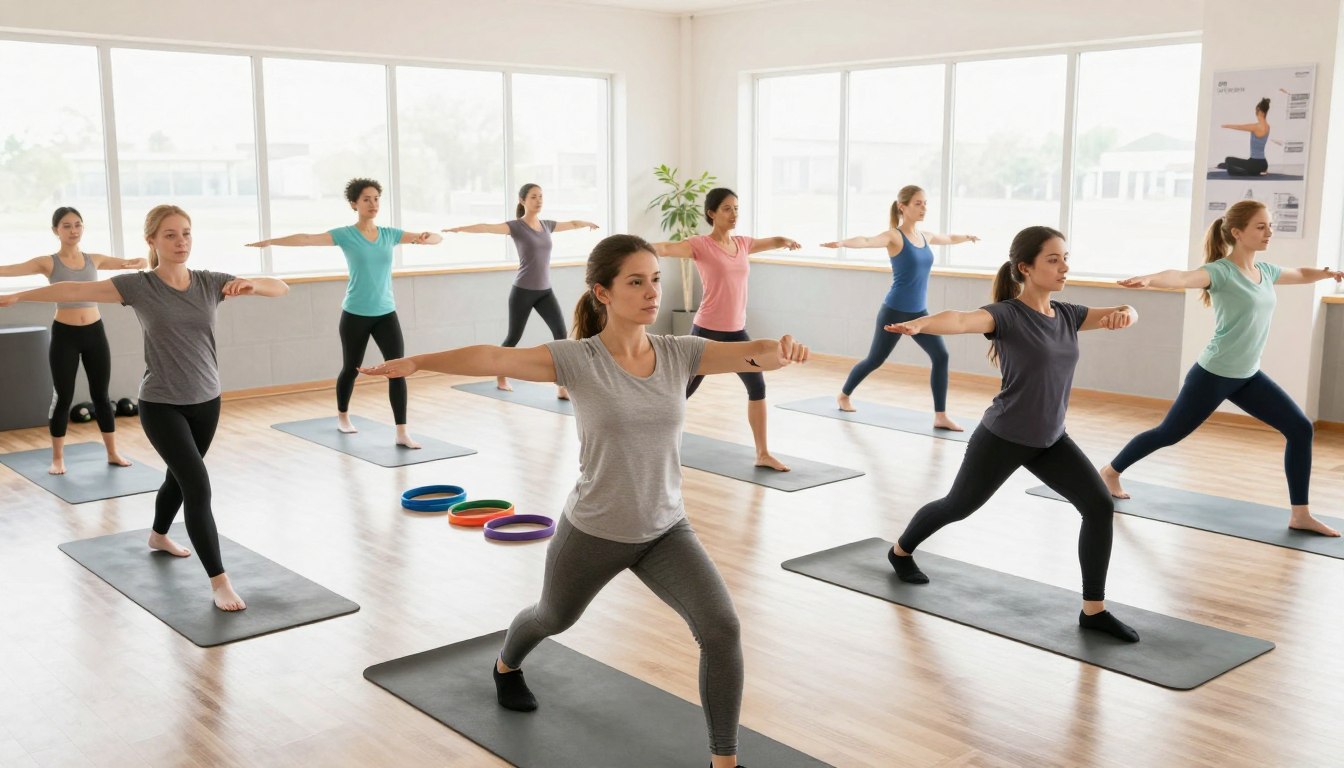
    A serene indoor fitness space featuring a diverse group of three individuals demonstrating various basic mobility exercises suitable for relieving joint stiffness. In the foreground, a middle-aged woman in modest athletic wear is performing a gentle spinal twist. Beside her, a young man in comfortable, professional attire is doing an ankle stretch, focusing on his form. In the background, a senior gentleman is using a resistance band for shoulder mobility, showcasing his effort. The atmosphere is bright and encouraging, with soft natural light streaming in through large windows. The perspective is slightly elevated, capturing the entire scene, while soft shadows create a welcoming environment. The overall mood is one of wellness and positivity, as the individuals engage in healthy movement together.

    Upper Body Mobility Moves

    To alleviate joint stiffness, it’s essential to incorporate effective upper body mobility exercises into your routine. Upper body mobility plays a crucial role in enhancing overall flexibility and reducing the risk of injury.

    Shoulder Mobility Exercises

    The shoulders are one of the most mobile joints in the body, and maintaining their mobility is vital for everyday activities. Here are some effective exercises to improve shoulder mobility:

    Shoulder Circles and Arm Swings

    Start by making small circles with your shoulders, gradually increasing the size of the circles as you continue. Arm swings are another effective exercise; simply hold your arms straight out to the sides and swing them forward and backward.

    Wall Slides and Doorway Stretches

    Wall slides help improve shoulder flexion and extension. Stand with your back against the wall and slide your arms up, keeping them in contact with the wall. Doorway stretches are also beneficial; stand in a doorway with your hands on the doorframe at shoulder height and lean forward.

    Wrist and Elbow Mobility

    In addition to shoulder mobility, maintaining flexibility in the wrists and elbows is crucial for overall upper body mobility.

    Wrist Flexion and Extension

    Hold your arm straight out in front of you and use your other hand to gently pull your hand down and then up, stretching your wrist.

    Forearm Rotations and Tennis Ball Releases

    Rotate your forearm in both clockwise and counterclockwise directions to improve mobility. Using a tennis ball, roll it on a hard surface with your palm, applying gentle pressure to release tension.

    Some key exercises to focus on include:

    • Shoulder Circles: Improves shoulder mobility and reduces stiffness.
    • Wall Slides: Enhances shoulder flexion and extension.
    • Wrist Flexion and Extension: Maintains wrist mobility and flexibility.
    • Forearm Rotations: Improves forearm mobility and reduces tension.

    By incorporating these exercises into your daily routine, you can significantly improve your upper body mobility and reduce joint stiffness.

    Lower Body Joint Relief Exercises

    Effective lower body mobility involves a combination of hip, knee, and ankle exercises. These exercises are designed to alleviate stiffness and improve flexibility. By incorporating these mobility sequences into your routine, you can significantly enhance your lower body’s range of motion.

    Hip Mobility Sequences

    Hip mobility is crucial for maintaining flexibility and reducing stiffness. Two effective exercises for hip mobility are hip circles and pigeon pose variations.

    Hip Circles and Figure Eights

    Hip circles help loosen the hip joint, improving flexibility. To perform hip circles, stand with your feet shoulder-width apart and your hands on your hips. Make large circles with your hips, first clockwise and then counterclockwise.

    Figure eights are another variation that targets the hips from different angles. This exercise involves moving your hips in a figure-eight pattern, which helps in reducing stiffness and improving mobility.

    Pigeon Pose Variations

    Pigeon pose is a highly effective stretch for the hips. Start on your hands and knees, then bring one knee forward and place your foot on the other knee. Lower your hips towards the ground, stretching the back leg and hip. Hold for a few breaths and switch sides.

    Variations of pigeon pose can be adapted to suit different levels of flexibility. For added challenge or depth, you can adjust the position of your back leg or use blocks for support.
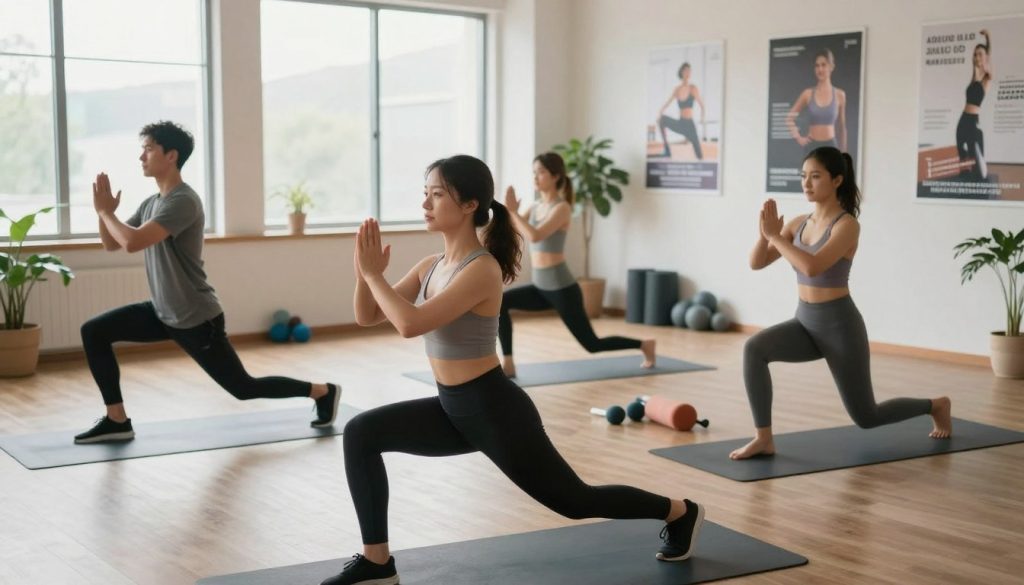
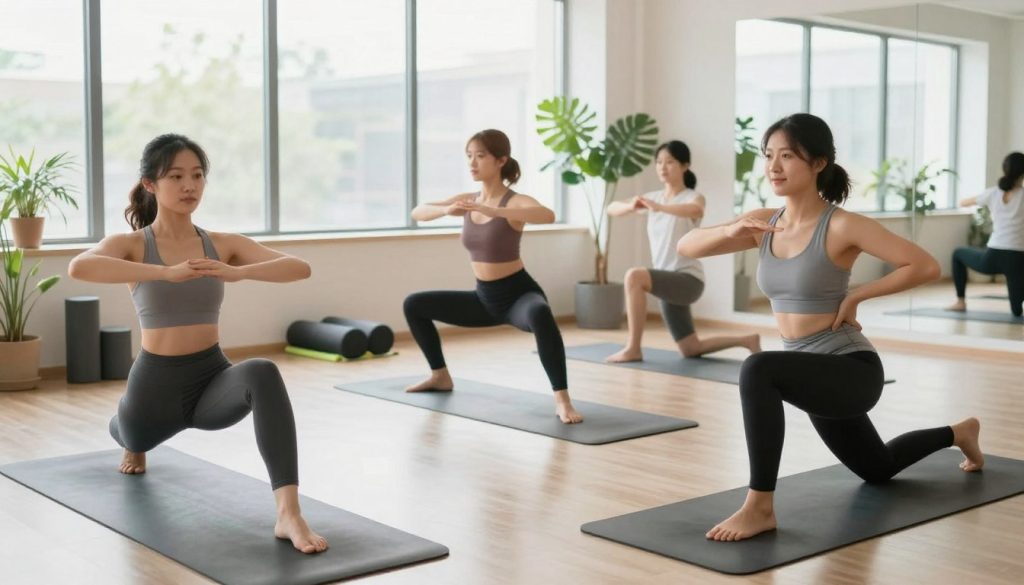
    A serene indoor fitness studio setting with large windows allowing soft, natural light to fill the space. In the foreground, a diverse group of three individuals in professional workout attire engages in various lower body mobility exercises, such as lunges, leg swings, and seated stretches, showcasing correct postures and techniques. The middle ground features yoga mats and fitness props scattered, emphasizing a focused and energetic atmosphere. In the background, motivational posters on the walls promote health and wellness themes, with potted plants adding a touch of greenery. The overall mood is one of empowerment and positivity, encouraging viewers to embrace joint mobility practices for improved flexibility and movement. The image captures a dynamic action shot from a slightly elevated angle to create depth and movement.

    Knee and Ankle Mobility

    In addition to hip mobility, it’s essential to focus on knee and ankle exercises to achieve comprehensive lower body mobility.

    Gentle Knee Circles and Extensions

    Gentle knee circles help improve knee mobility without putting excessive strain. Stand with your feet together and hands on your knees. Bend your knees slightly and make small circles, first clockwise and then counterclockwise.

    Knee extensions are another simple yet effective exercise. Stand with one hand on a wall for balance, lift one leg out in front of you, and gently straighten it. Hold for a moment and lower it back down.

    Ankle Alphabets and Foot Rolls

    Ankle alphabets involve tracing the alphabet with your toes, which helps improve ankle mobility and strength. This exercise can be done while seated or standing.

    Foot rolls using a tennis ball or a foam roller can help relieve tension in the feet and ankles. Simply roll the ball or roller under your foot, applying gentle pressure.

    Spine and Core Mobility Techniques

    Spine mobility techniques are essential for maintaining a strong, flexible core. Improving the flexibility and strength of your spine can significantly impact your overall physical fitness and daily functioning.

    To enhance your spine and core mobility, consider incorporating the following exercises into your routine.

    Gentle Spinal Twists

    Gentle spinal twists are an effective way to improve flexibility and reduce stiffness in the spine. To perform a gentle spinal twist, sit comfortably on the floor with your legs crossed. Twist your torso to one side, keeping your hips facing forward. Hold for a few breaths and then repeat on the other side.

    Cat-Cow Variations

    Cat-cow variations are another excellent exercise for enhancing spine mobility. Start on your hands and knees. Arch your back, lifting your tailbone and head towards the ceiling (cat pose). Then, round your back, tucking your chin to your chest and your tailbone towards the floor (cow pose). Repeat this sequence several times.

    Thoracic Spine Mobility Drills

    Thoracic spine mobility drills can help improve the flexibility of your upper back. One effective drill involves using a foam roller. Lie on the foam roller, positioned horizontally across your upper back. Gently roll back and forth, stretching your thoracic spine.

    Exercise Benefits Tips
    Gentle Spinal Twists Improves flexibility, reduces stiffness Keep hips facing forward
    Cat-Cow Variations Enhances spine mobility, stretches back Move slowly, breathe deeply
    Thoracic Spine Mobility Drills Improves upper back flexibility Use a foam roller, roll gently

    Safety Guidelines and When to Consult a Professional

    When starting any new exercise routine, including mobility exercises, it’s crucial to understand the safety guidelines to avoid injury. Mobility exercises can greatly enhance joint health, but being aware of your body’s limits and signals is key to a safe practice.

    Recognizing the Difference Between Discomfort and Pain

    It’s essential to differentiate between the discomfort that comes with stretching or moving your joints through a new range of motion and pain that could indicate a problem. Discomfort is typically a dull, manageable feeling, whereas pain is sharper and can be a sign of overexertion or injury. Listening to your body and stopping when you experience pain is crucial.
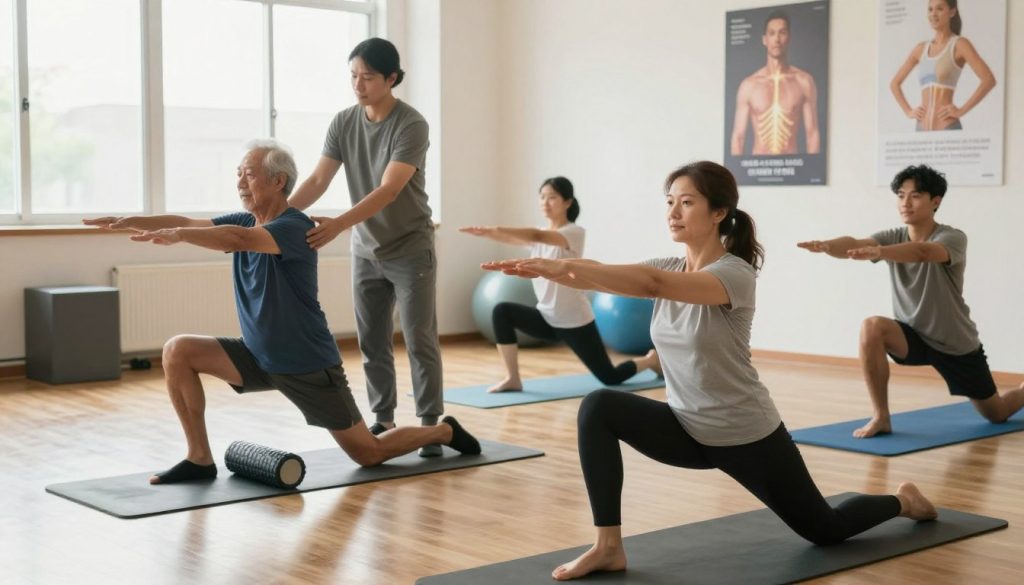
    A bright, well-lit gym environment showcasing a diverse group of individuals performing various mobility exercises. In the foreground, a middle-aged woman in professional athletic attire is demonstrating a gentle stretching maneuver, highlighting proper form and technique. Next to her, a young man is using a foam roller, emphasizing self-care and injury prevention. In the middle ground, a trainer attentively assists an elderly participant, ensuring safety and providing guidance. The background features exercise mats, stability balls, and motivational posters focused on joint health and mobility, creating an atmosphere of encouragement and support. Soft, natural lighting filters in through large windows, giving the scene a warm and inviting feel. The overall mood is focused on safety, education, and community wellness.

    Modifications for Different Fitness Levels

    Mobility exercises can be adapted to suit different fitness levels. For those just starting out or with certain limitations, gentle, low-impact movements can be a good starting point. As you become more comfortable, you can gradually increase the intensity or depth of your mobility exercises.

    Red Flags That Warrant Medical Attention

    Certain symptoms during or after mobility exercises are red flags that warrant medical attention. These include sharp pain, numbness, tingling, or instability in the joints. If you experience any of these, it’s important to stop your exercise routine and consult a healthcare professional.

    Conclusion: Consistency Is Key for Joint Health

    Maintaining healthy joints requires a consistent effort. By incorporating mobility exercises into your daily routine, you can experience significant joint health benefits, including improved flexibility and reduced stiffness.

    Consistency in mobility exercises is crucial for achieving and maintaining optimal joint health. Regular practice helps to keep your joints lubricated and your muscles strong, making daily activities easier and less painful.

    Make these exercises a habit, and you’ll be on your way to enjoying the long-term benefits of improved joint mobility and overall well-being. Stay committed, and you’ll feel the positive impact on your daily life.


    FAQ

    What are the common causes of joint stiffness?

    Joint stiffness can be caused by various factors, including age, injury, medical conditions such as arthritis, and a lack of mobility or exercise. Understanding the underlying cause is crucial for effective management.

    How do mobility exercises help alleviate joint stiffness?

    Mobility exercises help improve joint flexibility and reduce stiffness by increasing the range of motion, strengthening the surrounding muscles, and promoting blood flow to the affected area.

    What is the difference between stretching and mobility work?

    While both stretching and mobility exercises aim to improve flexibility, mobility work focuses on moving the joints through a range of motion, often with a dynamic or active component, whereas stretching tends to be more static.

    What equipment do I need for mobility exercises?

    The necessary equipment for mobility exercises can vary, but common items include foam rollers, resistance bands, and yoga mats. Some exercises can be done without any equipment at all.

    How often should I perform mobility exercises to see results?

    Consistency is key. Performing mobility exercises regularly, ideally 2-3 times a week, can lead to noticeable improvements in joint flexibility and reduced stiffness over time.

    Are there any safety guidelines I should follow when doing mobility exercises?

    Yes, it’s essential to listen to your body and stop if you experience pain. Modifications for different fitness levels are available, and certain red flags, such as severe pain or swelling, warrant medical attention.

    Can mobility exercises help with chronic joint pain?

    Mobility exercises can be beneficial for managing chronic joint pain by improving joint health and reducing stiffness. However, it’s crucial to consult with a healthcare professional to determine the best course of action for your specific condition.

    How do I create a personalized mobility routine?

    To create a personalized mobility routine, start by identifying the areas you want to focus on, such as the upper or lower body. Then, choose exercises that target those areas, and consider your fitness level and any limitations you may have.
  • Home Remedies for Sore Muscles: Recovery Tips

    Home Remedies for Sore Muscles: Recovery Tips

    Are you tired of feeling achy after a workout or a long day? Do sore muscles have you sidelined? You’re not alone. Millions of people around the world experience muscle soreness, wondering if there’s a way to alleviate the discomfort without breaking the bank or relying on medication.

    Fortunately, there are several effective home remedies that can help soothe sore muscles, promoting faster recovery. This article will explore some of the best techniques and treatments you can try in the comfort of your own home.

    Key Takeaways

    • Simple stretches to ease muscle tension
    • Effective temperature therapies for pain relief
    • Nutritional advice to support muscle health
    • Rest and relaxation techniques for faster recovery
    • Over-the-counter and natural pain relief options

    Understanding Muscle Soreness: Causes and Types

    When you push your body to its limits, it’s normal to feel sore, but understanding the causes of this soreness can help you recover more effectively. Muscle soreness, also known as delayed onset muscle soreness (DOMS), typically occurs after intense or unfamiliar exercise.

    Delayed Onset Muscle Soreness (DOMS) Explained

    DOMS is characterized by muscle stiffness and pain that peaks within 48-72 hours after exercise. It’s caused by micro-tears in the muscle fibers, leading to inflammation and repair. Effective muscle recovery techniques can help alleviate DOMS.

    Acute vs. Chronic Muscle Pain

    Acute muscle pain is short-term and related to specific activities or injuries, whereas chronic pain persists over time. Understanding the difference is crucial for applying the right sore muscle relief at home methods.

    When to Seek Medical Attention for Severe Pain

    If you experience severe, persistent, or debilitating pain, it’s essential to seek medical attention. Certain conditions, such as muscle tears or ruptures, require professional diagnosis and treatment.

    The Science Behind Effective Recovery Tips for Sore Muscles at Home

    Effective recovery from muscle soreness at home requires a grasp of how muscles repair themselves and the most suitable natural remedies to aid this process. Muscle recovery is a complex process involving various physiological responses.

    How Muscles Repair Themselves After Exercise

    After exercise, muscles undergo micro-tears, leading to inflammation and soreness. The body repairs these tears by rebuilding muscle fibers, making them stronger over time. This natural repair process can be supported through adequate rest, nutrition, and hydration.

    A cozy home setting depicting the muscle recovery process. In the foreground, a fit individual in modest athletic wear is stretching on a yoga mat, demonstrating deep relaxation with a calm expression. In the middle, a table displays natural remedy tools like essential oils, a foam roller, and herbal tea, signifying effective home recovery methods. The background showcases a softly lit room with warm, natural lighting filtering through a window, plants gently swaying, and motivational fitness posters on the wall. The atmosphere is serene and inviting, conveying the peacefulness of a home environment focused on self-care and recovery. Capture this scene from a slightly elevated angle to emphasize both the subject and the setting, creating a harmonious blend of relaxation and wellness.

    Why Natural Remedies Can Be Effective

    Natural remedies, such as herbal supplements, essential oils, and topical creams, can aid in reducing muscle soreness. These remedies often work by reducing inflammation and promoting blood flow to the affected areas. Some effective natural ways to relieve sore muscles include:

    • Using arnica gel or capsaicin cream to reduce pain and inflammation
    • Applying heat or cold therapy to relax muscles and improve circulation
    • Engaging in gentle stretching to maintain flexibility and reduce stiffness

    Finding the Right Balance Between Rest and Activity

    While rest is crucial for muscle recovery, complete inactivity can sometimes prolong soreness. Engaging in light physical activity, such as walking or yoga, can help promote blood flow and aid in the removal of waste products from muscles, thereby facilitating recovery.

    Hydrotherapy: Water-Based Remedies for Muscle Relief

    Water-based remedies, collectively known as hydrotherapy, have been used for centuries to soothe muscle pain. This therapeutic approach leverages the properties of water to provide relief and promote recovery for sore muscles.

    Applying Hot and Cold Therapy Effectively

    Hot and cold therapy are fundamental components of hydrotherapy. Cold therapy, or cryotherapy, is typically used to reduce inflammation and numb pain, while hot therapy helps relax muscles and increase blood flow.

    How to Prepare an Ice Bath for Recovery

    To prepare an ice bath, fill a bathtub with cold water and add ice to achieve a temperature between 50°F to 55°F (10°C to 13°C). Soak for 10 to 15 minutes to help reduce muscle inflammation.

    Creating Therapeutic Warm Bath Soaks with Epsom Salt

    For a warm bath soak, add 1 to 2 cups of Epsom salt to warm water. Epsom salt is rich in magnesium, which can help relax muscles and reduce soreness. Soak for at least 20 minutes to maximize the benefits.

    Implementing Contrast Therapy: Step-by-Step Guide

    Contrast therapy involves alternating between hot and cold water to stimulate recovery. Start with warm water for 3-4 minutes, followed by cold water for 1 minute. Repeat this cycle 3 times, ending with cold water.

    Nutrition and Hydration Strategies for Faster Recovery

    Nutrition and hydration play a significant role in alleviating sore muscles and enhancing recovery. When you exercise, you’re not just using your muscles; you’re also depleting your body’s stores of energy and fluids. Replenishing these resources is crucial for recovery.

    Top 5 Anti-Inflammatory Foods to Reduce Muscle Soreness

    Incorporating anti-inflammatory foods into your diet can help reduce muscle soreness. Here are the top 5 foods to include:

    • Fatty Fish: Rich in omega-3 fatty acids, fish like salmon and sardines are potent anti-inflammatories.
    • Turmeric: Contains curcumin, a compound with powerful anti-inflammatory properties.
    • Ginger: Known for its anti-inflammatory effects and can be consumed fresh or as a tea.
    • Berries: Packed with antioxidants, berries like blueberries and raspberries help combat inflammation.
    • Leafy Greens: Spinach and kale are rich in antioxidants and other nutrients that help reduce inflammation.

    Optimal Protein Timing and Sources for Muscle Repair

    Protein is essential for muscle repair. Consuming protein within 30-60 minutes after exercise can help in muscle recovery. Good sources include lean meats, fish, eggs, and plant-based options like beans and tofu.

    Hydration Protocols for Enhanced Recovery

    Staying hydrated is crucial for muscle recovery. Dehydration can exacerbate muscle soreness. Aim to drink water regularly throughout the day, not just during and after exercise.

    Making Homemade Electrolyte-Rich Recovery Drinks

    Electrolytes are lost through sweat, and replenishing them is important for recovery. You can make a homemade electrolyte drink using water, salt, and natural ingredients like coconut water or honey.

    Daily Water Intake Guidelines Based on Activity Level

    Your daily water intake should be based on your activity level. A general guideline is to drink at least 8-10 glasses of water per day, adjusting according to the intensity and duration of your workouts.

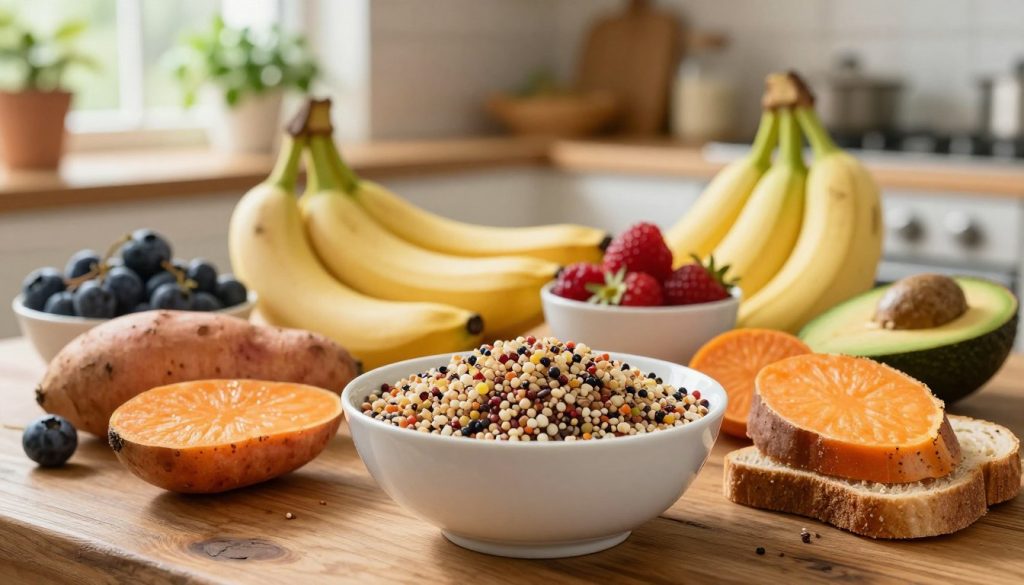
    A vibrant kitchen scene showcasing a table filled with nutritious foods for muscle recovery. In the foreground, a wooden bowl overflowing with colorful fruits like bananas, berries, and oranges, alongside a plate of whole grain toast topped with avocado and a sprinkle of seeds. A protein shake in a stylish glass, featuring fresh spinach and protein powder, sits to the side. The middle ground displays various jars of nuts and seeds, creating an inviting snack area. Natural light streams in from a window, illuminating the fresh ingredients and casting soft shadows to enhance the inviting atmosphere. In the background, kitchen utensils and a potted herb plant add a homely feel, contributing to a sense of wellness and vitality. Capture a warm, motivational mood that emphasizes health and recovery.

    Natural Topical Treatments and Massage Techniques

    For those seeking relief from sore muscles, exploring natural topical treatments and massage techniques is a great place to start. These methods not only provide immediate relief but also promote long-term muscle health.

    Applying Essential Oils for Immediate Pain Relief

    Essential oils can be a powerful tool in your arsenal against sore muscles. Peppermint oil, with its cooling effect, can be particularly effective.

    Peppermint Oil Massage Technique

    To use peppermint oil, mix a few drops with a carrier oil like coconut oil and massage it into the affected area. The cooling sensation can help reduce pain and inflammation.

    Creating Lavender and Eucalyptus Blends for Soreness

    Combining lavender and eucalyptus oils can create a potent blend for relieving muscle soreness. Lavender oil’s calming properties complement eucalyptus oil’s anti-inflammatory effects.

    Self-Massage Methods Anyone Can Do

    Self-massage is another effective technique for relieving sore muscles. It can be done using your hands or tools like foam rollers.

    Proper Foam Rolling Techniques for Major Muscle Groups

    Foam rolling can help release tension in major muscle groups. Focus on areas like your IT band, quadriceps, and hamstrings.

    Finding and Treating Trigger Points at Home

    Trigger points are areas of muscle tissue that are knotted and painful. Using a tennis ball or similar tool can help you locate and relieve these areas.

    Technique Benefits Best For
    Peppermint Oil Massage Cooling effect, reduces pain and inflammation Immediate pain relief
    Lavender and Eucalyptus Blend Anti-inflammatory, calming Relieving muscle soreness
    Foam Rolling Releases tension, improves circulation Major muscle groups

    Recipes for DIY Muscle Rubs and Balms

    Creating your own DIY muscle rubs and balms can be a fun and effective way to manage sore muscles. Using natural ingredients like beeswax, coconut oil, and essential oils, you can tailor your products to your specific needs.

    Gentle Stretching and Movement Exercises for Relief

    Gentle stretching and movement exercises can be a game-changer for relieving sore muscles and promoting recovery. When done correctly, these exercises can help alleviate muscle tension, improve flexibility, and enhance overall well-being.

    Safe Stretching Protocols are essential to avoid further injury or strain. Understanding the difference between static and dynamic stretching is crucial for effective recovery.

    Safe Static vs. Dynamic Stretching Protocols

    Static stretching involves holding a stretch for a period, usually 15-30 seconds. This type of stretching can help improve flexibility and reduce muscle soreness. On the other hand, dynamic stretching involves moving through a range of motion while keeping the muscles active. Dynamic stretches can help prepare the muscles for activity and improve blood flow.

    When to use each: Static stretches are best used after exercise or when the muscles are warm, while dynamic stretches are ideal before exercise or when you need to increase blood flow and mobility.

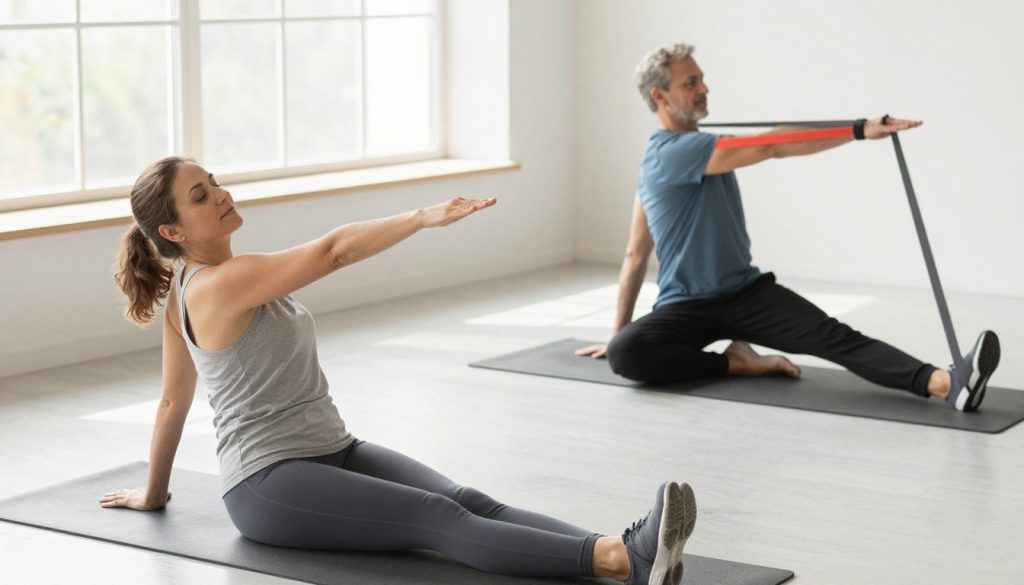
    A serene indoor environment featuring a bright, sunlit room with large windows. In the foreground, a diverse group of individuals practicing gentle stretching exercises, clad in modest athletic wear. One person is shown performing a seated hamstring stretch, while another is doing a standing quadriceps stretch. In the middle, a yoga mat is laid out with props like a foam roller and resistance bands. The background showcases calming wall colors, indoor plants, and soft, diffused natural light streaming in, creating a peaceful and inviting atmosphere. The scene captures a sense of relaxation and focus, embodying the importance of muscle recovery and gentle movement exercises. The angle is slightly elevated, providing a comprehensive view of the exercise movements and the serene environment.

    5 Restorative Yoga Poses for Different Muscle Groups

    Restorative yoga can be highly beneficial for muscle recovery. Here are five poses targeting different muscle groups:

    • Legs Up The Wall Pose: Relaxes the lower back and legs
    • Reclined Pigeon Pose: Stretches the hips and glutes
    • Reclined Spinal Twist: Relaxes the spine and improves flexibility
    • Sphinx Pose: Strengthens the back muscles and opens the chest
    • Child’s Pose: Stretches the back, hips, and legs

    Light Activity Ideas to Promote Blood Flow and Healing

    Engaging in light physical activities can help promote blood flow and aid in the healing process. Some ideas include:

    • Taking a leisurely walk
    • Doing some light swimming or water aerobics
    • Cycling at a low intensity
    • Performing gentle yoga or tai chi

    By incorporating these gentle stretching and movement exercises into your routine, you can significantly enhance your muscle recovery and overall well-being.

    Sleep and Rest: Maximizing Recovery Overnight

    Quality sleep is a cornerstone of effective muscle recovery strategies. When you sleep, your body repairs and rebuilds muscle tissue, making it essential for athletes and individuals who engage in strenuous physical activity.

    Optimal Sleep Duration

    Determining your optimal sleep duration is crucial. Most adults need 7-9 hours of sleep per night. Adequate sleep helps in reducing muscle soreness and improving performance.

    Creating a Sleep-Conducive Environment

    Setting up your bedroom for restorative sleep involves creating a cool, dark, and quiet environment. Consider using blackout curtains, earplugs, or a white noise machine if necessary.

    Planning Recovery Days

    It’s essential to balance active recovery and complete rest days. Active recovery involves light activities like walking or yoga, which can promote blood flow and healing without exerting too much stress on your muscles.

    Conclusion: Creating Your Personalized Muscle Recovery Plan

    Now that we’ve explored various muscle recovery techniques and best home remedies for sore muscles, it’s time to create a personalized plan that suits your needs. By combining hydrotherapy, nutrition strategies, natural topical treatments, and gentle stretching exercises, you can develop an effective routine to alleviate muscle soreness.

    Start by identifying the activities that cause you the most discomfort and then select the most suitable remedies. For instance, if you’re an avid runner, you may benefit from incorporating hydrotherapy and nutrition strategies into your recovery routine. Experiment with different techniques to find what works best for you.

    By tailoring your muscle recovery plan to your lifestyle and preferences, you’ll be able to bounce back faster from intense workouts and maintain overall muscle health. Incorporate these best home remedies for sore muscles into your daily routine to experience the benefits of a well-rounded recovery plan.

    FAQ

    What are some effective home remedies for sore muscles?

    Some effective home remedies for sore muscles include hydrotherapy, such as hot and cold therapy, Epsom salt baths, and contrast therapy. Additionally, nutrition and hydration strategies like consuming anti-inflammatory foods, optimal protein timing, and hydration protocols can help alleviate muscle soreness.

    How can I relieve sore muscles naturally?

    You can relieve sore muscles naturally by using topical treatments like essential oils, self-massage techniques, and foam rolling. Gentle stretching and movement exercises, such as restorative yoga poses and light activity, can also promote blood flow and healing.

    What are some muscle recovery techniques I can try at home?

    Some muscle recovery techniques you can try at home include hydrotherapy, nutrition and hydration strategies, natural topical treatments, and gentle stretching and movement exercises. You can also try self-massage methods, foam rolling, and DIY muscle rubs.

    How can I recover from muscle soreness quickly?

    To recover from muscle soreness quickly, focus on a combination of rest, nutrition, and hydration. Consume anti-inflammatory foods, optimal protein, and stay hydrated. You can also try hydrotherapy, natural topical treatments, and gentle stretching and movement exercises.

    What are some best home remedies for sore muscles after exercise?

    Some of the best home remedies for sore muscles after exercise include hydrotherapy, such as ice baths and contrast therapy, nutrition and hydration strategies, and natural topical treatments like essential oils and DIY muscle rubs. Gentle stretching and movement exercises can also help alleviate muscle soreness.

    How can I alleviate chronic muscle pain at home?

    To alleviate chronic muscle pain at home, try a combination of hydrotherapy, nutrition and hydration strategies, natural topical treatments, and gentle stretching and movement exercises. It’s also essential to prioritize sleep and rest, and consider planning active recovery days.

    Are there any natural ways to relieve sore muscles?

    Yes, there are several natural ways to relieve sore muscles, including hydrotherapy, nutrition and hydration strategies, natural topical treatments, and gentle stretching and movement exercises. You can also try self-massage methods, foam rolling, and DIY muscle rubs.

    How can I promote muscle recovery overnight?

    To promote muscle recovery overnight, focus on getting optimal sleep duration, creating a sleep-conducive environment, and planning active recovery days. You can also try relaxation techniques, such as deep breathing or meditation, to help your body recover.
  • 5-Minute Full Body Stretch: A Simple Routine

    5-Minute Full Body Stretch: A Simple Routine

    Can a mere 5 minutes a day make a difference in how you feel? Imagine starting your day with a quick and easy stretch that loosens up your muscles and gets you ready to take on whatever comes your way.

    A simple 5-minute routine can be just what you need to improve flexibility and reduce tension. It’s an accessible way to enhance your overall well-being, and it’s easy to fit into even the busiest of schedules.

    By incorporating this easy full body stretch into your daily routine, you can experience the benefits of improved flexibility and reduced muscle tension. It’s a great way to take care of your body, and it only takes a few minutes each day.

    Key Takeaways

    • Improve flexibility with just a few minutes of stretching a day
    • Reduce muscle tension and enhance overall well-being
    • Easy to fit into a busy schedule
    • Enhance your daily routine with a quick and effective stretch
    • Experience the benefits of a full body stretch in just 5 minutes a day

    The Benefits of a Quick Daily Stretching Routine

    Starting your day with a quick full-body stretch can set a positive tone and improve your overall health. Incorporating beginner stretching exercises into your daily routine can have a significant impact on both physical and mental well-being.

    A daily stretching routine, even if it’s just a few minutes, can lead to numerous benefits. These benefits can be broadly categorized into physical and mental/emotional advantages.

    Physical Benefits: Improved Flexibility and Reduced Tension

    Regular stretching can improve flexibility by increasing range of motion and reducing muscle stiffness. It can also reduce muscle tension, which is beneficial for individuals with jobs that involve sitting or standing for long periods.

    Improved flexibility allows for more efficient movement and can enhance athletic performance. Reduced tension can lead to less strain on muscles and joints, potentially reducing the risk of injury.

    Physical Benefits Description
    Improved Flexibility Increased range of motion and reduced muscle stiffness
    Reduced Muscle Tension Less strain on muscles and joints, potentially reducing injury risk

    Mental and Emotional Benefits: Stress Relief and Better Focus

    Stretching is not just beneficial for the body; it also has a positive impact on mental and emotional health. It can help reduce stress and anxiety by releasing endorphins, also known as “feel-good” hormones.

    A quick full body stretch can help improve focus and concentration by increasing blood flow to the brain. This can be particularly beneficial for individuals looking to enhance their productivity or prepare for a mentally demanding task.

    Preparing for Your Simple Stretching Routine for Full Body

    To get the most out of your basic full body stretching routine, it’s essential to prepare properly. This involves creating a conducive environment, mastering the right techniques, and understanding safety precautions.

    Step 1: Creating the Right Environment and Space

    To start, identify a quiet, comfortable space where you can stretch without distractions. Ensure the area is clear of clutter and has a smooth, non-slippery floor. You may also want to consider using a yoga mat for better grip and comfort.

    Step 2: Mastering Proper Breathing Techniques

    Proper breathing is crucial for an effective stretching routine. Practice deep, controlled breathing to help relax your muscles and enhance flexibility. Inhale deeply through your nose, hold your breath for a few seconds, and exhale slowly through your mouth.

    Step 3: Understanding Safety Precautions and Modifications

    Before you begin your gentle full body stretch, it’s vital to understand your body’s limits. Be aware of any injuries or conditions that may affect your stretching. Modify stretches as needed to accommodate your comfort level and avoid injury.

    Preparation Step Description Benefits
    Creating the Right Environment Clear a quiet, comfortable space Reduces distractions, enhances focus
    Mastering Breathing Techniques Practice deep, controlled breathing Relaxes muscles, improves flexibility
    Understanding Safety Precautions Be aware of your body’s limits Prevents injury, ensures a safe practice

    A serene yoga studio setting with soft wooden floors and calming neutral walls, bathed in warm, natural light filtering through large windows. In the foreground, a person in modest, comfortable athletic wear performs a gentle full-body stretch, embodying relaxation and mindfulness. Their pose is graceful, demonstrating an elegant extension of arms overhead and a slight bend at the waist, showcasing flexibility. A plush yoga mat lies beneath them, complementing the tranquil atmosphere. In the background, subtle hints of green plants and calming decor evoke a peaceful environment, inviting viewers to immerse themselves in the idea of stretching and wellness. The photo is taken from a low angle to emphasize the stretch, with soft focus on the background to enhance the calm, inviting mood of the scene.

    By following these steps, you can create a safe and effective stretching routine that enhances your overall well-being.

    The 5-Minute Full Body Stretch Sequence

    A 5-minute full body stretch sequence is an ideal way to boost flexibility and energy. This simple routine can be adapted to suit different fitness levels, making it perfect for beginners and experienced individuals alike. By incorporating this quick stretch into your daily routine, you can improve your overall flexibility, reduce muscle tension, and enhance your mental well-being.

    Step 1: Upper Body Stretches (1-2 minutes)

    Begin your stretching routine by focusing on your upper body. This includes stretches for your neck, shoulders, arms, and chest. These areas are prone to tension, especially for those who spend a lot of time sitting or working on computers.

    Neck and Shoulder Release Technique

    Gently tilt your head to the right, bringing your ear towards your right shoulder. Hold for 30 seconds and then switch to the left side. This helps relieve tension in the neck and shoulder area. Repeat on both sides for optimal relief.

    Arm and Chest Opener Movement

    Hold your arms straight out to the sides at shoulder height. Slowly rotate your arms in a circular motion, first clockwise and then counterclockwise. This movement helps loosen the shoulder joints and open up the chest, improving your posture and reducing stiffness.

    Step 2: Core and Back Stretches (1-2 minutes)

    Next, focus on your core and back. Stretching these areas can help alleviate lower back pain and improve your overall flexibility.

    Gentle Spinal Twist for Lower Back Relief

    Sit on the floor with your legs extended. Bend your right knee and cross it over your left leg. Twist your torso to the right, placing your right hand on the floor behind you for support. Hold for 30 seconds and then repeat on the other side. This stretch helps relieve tension in the lower back.

    Side Stretch for Obliques and Waist

    Stand with your feet shoulder-width apart. Raise your right arm and lean to the left, stretching your obliques and waist. Hold for 30 seconds and then repeat on the other side. This stretch is great for improving flexibility and reducing side tension.

    Step 3: Lower Body Stretches (1-2 minutes)

    Move on to stretching your lower body, focusing on your hips, glutes, hamstrings, and calves. These stretches are crucial for improving mobility and reducing muscle soreness.

    Hip and Glute Opener Positions

    Lie on your back with your knees bent and feet flat on the floor. Cross your right ankle over your left knee and gently pull your left knee towards your chest. Hold for 30 seconds and then switch sides. This stretch helps open up the hips and glutes, improving flexibility.

    Hamstring and Calf Release Movements

    Sit on the floor with your legs extended. Lean forward, reaching for your toes, and hold for 30 seconds. This stretch targets the hamstrings. For your calves, stand facing a wall with one hand on the wall for balance. Step one foot back about a foot and a half, keeping your heel on the ground. Bend the front knee and lean forward, holding for 30 seconds before switching legs.

    Step 4: Full Body Integration Stretch (1 minute)

    Finish your stretching routine with a full body integration stretch. Stand with your feet shoulder-width apart and raise your arms overhead. Take a deep breath in, stretching upwards, and then exhale, slowly lowering your arms and bending forward at the hips. Hold for a few seconds and then slowly stand up, feeling the stretch throughout your entire body.

    By following this 5-minute full body stretch sequence, you can enjoy the benefits of improved flexibility, reduced muscle tension, and a sense of relaxation. Make it a part of your daily routine to experience these benefits firsthand.

    Maximizing the Benefits of Your 5-Minute Routine

    The key to reaping the rewards of a 5-minute stretching routine lies in its consistent practice and gradual progression. By incorporating a few simple strategies into your daily routine, you can enhance the effectiveness of your stretching exercises and enjoy improved flexibility and overall well-being.

    Consistency Tips: How to Make Stretching a Daily Habit

    To make stretching a daily habit, start by scheduling it into your daily planner or setting reminders on your phone. Consistency is key to experiencing the benefits of a full body flexibility routine.

    • Begin with a manageable goal, such as stretching at the same time every day.
    • Find a quiet, comfortable space where you can stretch without distractions.
    • Make it a habit by incorporating it into your daily routine, like brushing your teeth or taking a shower.

    Progression Guide: Safely Deepening Your Stretches Over Time

    As you become more comfortable with your 5-minute routine, you can gradually deepen your stretches to continue improving your flexibility.

    “The body achieves what the mind believes.”

    – Unknown

    To safely deepen your stretches, focus on proper breathing and gentle, controlled movements. Avoid bouncing or forcing beyond a comfortable range of motion.

    Progression Stage Tips
    Initial Stage Focus on proper form and breathing.
    Intermediate Stage Gradually increase the depth of your stretches.
    Advanced Stage Hold stretches for longer periods and explore more complex movements.

    Complementary Practices: Pairing Stretching with Other Wellness Activities

    Combining your 5-minute full body stretch with other wellness practices can enhance its benefits and contribute to a more balanced lifestyle.

    Consider pairing your stretching routine with activities like yoga, meditation, or a short walk. This can help improve your overall flexibility, reduce stress, and boost your mood.

    A serene indoor yoga studio with large windows letting in soft, natural light, creating a warm and inviting atmosphere. In the foreground, a person is demonstrating a full-body flexibility routine, wearing modest athletic wear. They are executing a deep forward bend, with one leg extended and the other bent for balance, showcasing grace and focus. In the middle ground, various yoga mats and props like blocks and straps are neatly arranged, symbolizing preparedness for a stretching session. In the background, potted plants and calming wall art add to the tranquil environment. The camera is positioned at a slight angle to capture the entire scene, emphasizing both the practitioner and the peaceful setting, while the lighting highlights the body's form and flexibility in a motivational and inspiring way.

    Conclusion

    By incorporating a simple stretching routine for full body into your daily schedule, you can experience significant improvements in flexibility, reduced muscle tension, and enhanced overall well-being. This 5-minute full body stretch sequence is designed to be easy to follow and adaptable to your needs.

    As you’ve learned, the benefits of a quick daily stretching routine extend beyond physical advantages, promoting mental clarity and stress relief. By committing to this simple practice, you’ll be taking a proactive step towards a healthier, more balanced lifestyle.

    Begin your stretching journey today and discover the positive impact it can have on your daily life. With consistent practice, you’ll be on your way to achieving greater flexibility and enjoying the many rewards that come with it.

    FAQ

    What is a simple stretching routine for full body?

    A simple stretching routine for full body involves a series of easy-to-follow stretches that target major muscle groups, improving flexibility and reducing tension. This can include upper body, core, and lower body stretches that can be completed in just a few minutes a day.

    How do I start a beginner stretching exercises routine?

    To start a beginner stretching exercises routine, begin by creating a quiet and comfortable space to stretch. Start with simple stretches and gradually increase the depth and duration as you become more flexible. It’s also essential to listen to your body and stop if you experience any pain.

    What are the benefits of a quick full body stretch?

    A quick full body stretch can improve flexibility, reduce muscle tension, and enhance overall well-being. It can also help to improve posture, reduce stress, and increase energy levels, making it an excellent addition to your daily routine.

    How long should a basic full body stretching routine take?

    A basic full body stretching routine can be as short as 5 minutes, making it easy to fit into even the busiest schedule. You can adjust the duration based on your needs and goals, but starting with a short routine can help you establish a consistent practice.

    Can I do a gentle full body stretch every day?

    Yes, you can do a gentle full body stretch every day. In fact, consistency is key when it comes to improving flexibility and reducing muscle tension. Daily stretching can help you maintain a healthy range of motion and reduce the risk of injury.

    What is an effective full body stretch for improving flexibility?

    An effective full body stretch for improving flexibility involves a combination of static stretches that target major muscle groups. This can include stretches for the hamstrings, quadriceps, hip flexors, and lower back, as well as stretches for the upper body, such as the shoulders and chest.

    How can I modify stretches to suit my needs?

    You can modify stretches to suit your needs by adjusting the depth, duration, and range of motion. For example, if you’re experiencing tightness or pain in a particular area, you can reduce the intensity of the stretch or avoid it altogether. It’s also essential to listen to your body and stop if you experience any discomfort or pain.

    Can stretching help with stress relief and better focus?

    Yes, stretching can help with stress relief and better focus. Stretching can help reduce muscle tension, improve circulation, and promote relaxation, making it an excellent way to manage stress and improve mental clarity.
  • Revive Sore Muscles: Expert Tips for Post-Workout Recovery

    Revive Sore Muscles: Expert Tips for Post-Workout Recovery

    Are you tired of feeling drained and sore after a intense workout? Effective post-workout muscle recovery is crucial for athletes and fitness enthusiasts alike. Without proper recovery techniques, you risk injury, fatigue, and decreased performance.

    So, what’s the secret to reviving sore muscles? It starts with understanding the importance of muscle recovery techniques. By incorporating expert-approved methods into your routine, you can alleviate muscle soreness, boost flexibility, and enhance overall well-being.

    Key Takeaways

    • Effective post-workout recovery is crucial for overall fitness.
    • Proper recovery techniques can alleviate muscle soreness.
    • Expert-approved methods can boost flexibility and well-being.
    • Inadequate recovery can lead to injury and fatigue.
    • Incorporating recovery techniques into your routine is essential.

    Understanding Muscle Soreness and Recovery

    When you exercise, you’re not just building muscle; you’re also causing micro-tears that lead to soreness. This soreness, known as delayed onset muscle soreness (DOMS), is a natural response to physical stress. Understanding the underlying causes of muscle soreness and the physiological processes involved in recovery is crucial for developing effective muscle recovery tips.

    What Causes Muscle Soreness After Exercise

    Muscle soreness is primarily caused by eccentric contractions, which lead to micro-tears in the muscle fibers. This damage triggers an inflammatory response, resulting in soreness and stiffness. Factors such as intensity, duration, and frequency of exercise can exacerbate muscle fatigue.

    The Science Behind Muscle Repair

    The repair process involves several stages, including inflammation, repair, and rebuilding. During inflammation, the body clears away damaged tissue. The repair stage involves the activation of satellite cells, which help rebuild muscle fibers. Adequate nutrition and rest are critical during this phase to support muscle recovery.

    Different Types of Muscle Fatigue

    There are several types of muscle fatigue, including:

    • Central fatigue: related to the nervous system’s ability to activate muscles.
    • Peripheral fatigue: occurs within the muscles themselves.
    • Metabolic fatigue: caused by the depletion of energy stores.

    Understanding these types can help in tailoring muscle recovery tips to address specific needs.

    How to Recover Muscles After Workout: Immediate Steps

    The moments following your workout are crucial for muscle recovery. Implementing the right strategies during this period can significantly enhance your body’s ability to repair and rebuild muscle tissue.

    Proper Cool-Down Techniques

    A proper cool-down is essential for gradually bringing your heart rate back to normal and reducing muscle stiffness. This process helps your body transition from an active state to a resting state.

    Gradual Heart Rate Reduction

    Gradually reducing your heart rate through light cardio activities such as jogging or cycling can help prevent dizziness and reduce muscle cramping.

    Light Movement Activities

    Engaging in light movement activities like walking or stretching can help maintain flexibility and reduce muscle soreness.

    Hydration Strategies for Recovery

    Replenishing lost fluids is critical for muscle recovery. Hydration helps in transporting nutrients to your muscles and removing waste products.

    • Drink water or a sports drink within 30 minutes after your workout.
    • Monitor your urine color to ensure you’re hydrated.

    Post-Workout Stretching Routines

    Stretching after a workout can help improve flexibility and reduce muscle soreness. It’s essential to understand the difference between static and dynamic stretching.

    Static vs. Dynamic Stretching

    Static stretching involves holding a stretch for a period, while dynamic stretching involves moving through a range of motion. Both have their benefits and can be used depending on your workout type.

    Target Areas for Post-Workout Stretches

    Focus on stretching the major muscle groups you worked during your exercise. Common areas include hamstrings, quadriceps, and chest muscles.

    Stretching Technique Target Muscle Group Duration
    Static Stretch Hamstrings 20-30 seconds
    Dynamic Stretch Quadriceps 10-15 reps

    A serene indoor yoga studio with soft natural lighting filtering through large windows. In the foreground, a diverse group of three individuals in modest activewear perform various muscle recovery stretches on yoga mats. One person is gently reaching for their toes in a seated forward bend, while another is stretching their arms overhead in a standing position. The third individual is in a calm, restorative pose, perhaps a child's pose. In the middle background, calming plants and a few rolled-up yoga mats can be seen, creating a peaceful atmosphere. The walls are painted in soothing colors, enhancing the mood of recovery and relaxation. The angle captures a slight overhead view to encompass the sense of community and encouragement among participants.

    Nutrition for Optimal Muscle Recovery

    Optimizing muscle recovery through nutrition is a critical aspect of any training regimen. Adequate nutritional intake not only aids in repairing muscle damage but also supports overall physical performance.

    Protein Intake and Timing

    Protein is a fundamental nutrient for muscle recovery, providing the necessary building blocks for muscle repair. The timing of protein intake is also crucial, as it helps to maximize the body’s natural repair processes.

    Best Protein Sources for Recovery

    The most effective protein sources for recovery include lean meats, fish, eggs, and dairy products. Whey protein is particularly beneficial due to its rapid absorption rate.

    The Anabolic Window Explained

    The anabolic window refers to the period after exercise when the body is most receptive to nutrient uptake. Consuming protein within this window can significantly enhance muscle recovery.

    Carbohydrates for Glycogen Replenishment

    Carbohydrates play a vital role in replenishing glycogen stores depleted during exercise. Consuming the right type and amount of carbohydrates is essential for maintaining energy levels and supporting muscle recovery.

    Anti-Inflammatory Foods and Supplements

    Incorporating anti-inflammatory foods and supplements into your diet can help reduce muscle soreness and enhance recovery. Foods rich in omega-3 fatty acids, such as salmon, and antioxidants, like berries, are particularly beneficial.

    Rest and Sleep: The Cornerstone of Recovery

    The importance of rest and sleep in muscle recovery cannot be overstated. Adequate rest allows your muscles to repair and rebuild, making them stronger over time. Sleep, in particular, plays a critical role in this process, as it is during deep sleep cycles that your body releases growth hormones essential for muscle repair.

    Optimal Sleep Duration for Athletes

    Athletes typically require more sleep than non-athletes. Research suggests that 7-9 hours of sleep per night is optimal for recovery and performance.

    Creating an Effective Recovery Schedule

    Balancing activity with rest is key to an effective recovery schedule. This involves planning your workouts, rest days, and sleep schedule to optimize recovery. Periodization of your training can help in managing fatigue and preventing overtraining.

    Active Rest vs. Complete Rest Days

    Active rest involves engaging in low-intensity activities on rest days, such as yoga or light swimming. This can aid in recovery by promoting blood flow without exerting excessive strain on the muscles. Complete rest days are essential for allowing your body to fully recover.

    Recovery Strategy Description Benefits
    Optimal Sleep 7-9 hours of sleep Enhanced muscle repair, improved performance
    Active Rest Low-intensity activities Promotes blood flow, aids in recovery
    Complete Rest No activity Full recovery, prevents overtraining

    A tranquil bedroom scene emphasizing the theme of rest and sleep recovery. In the foreground, a comfortably made bed with soft, fluffy pillows and a warm, inviting blanket. A peaceful figure, dressed in modest loungewear, is gently sleeping, embodying serene relaxation. In the middle ground, a bedside table holds an elegant glass of water and a small potted plant, enhancing the atmosphere of calmness. The background features soft, diffused lighting from a nearby window, casting a warm glow that highlights the cozy ambiance. Subtle shadows add depth, while hints of nature can be seen through the window, suggesting a peaceful outdoor environment. Overall, the mood is soothing and restorative, inviting viewers to embrace the importance of rest in recovery.

    Recovery Tools and Technologies

    Advanced recovery tools and technologies play a crucial role in enhancing post-workout recovery. These tools can help reduce muscle soreness, improve flexibility, and accelerate the healing process.

    Foam Rolling and Self-Myofascial Release

    Foam rolling is a form of self-myofascial release that helps to reduce muscle tension and improve circulation. By using a foam roller, individuals can target specific areas of tension, breaking up adhesions and promoting blood flow to aid in the recovery process.

    Compression Gear Benefits

    Compression gear, such as sleeves and tights, provides graduated compression to help improve blood flow and reduce muscle oscillation. This can lead to reduced muscle soreness and improved recovery times.

    Hot and Cold Therapy Techniques

    Hot and cold therapy are commonly used recovery techniques. Cold therapy, such as ice baths, helps reduce inflammation, while heat therapy promotes blood flow to the affected area.

    Ice Baths and Cryotherapy

    Ice baths and cryotherapy involve exposing the body to cold temperatures to reduce inflammation and muscle soreness. This can be particularly beneficial after intense workouts.

    Heat Application Methods

    Heat application methods, such as using a heating pad or warm bath, help increase blood flow to the muscles, promoting relaxation and reducing muscle spasms.

    Effective Muscle Recovery Supplements

    Incorporating the right supplements into your routine can significantly improve muscle recovery. Supplements can provide essential nutrients that help repair and rebuild muscle tissue after a workout.

    Essential Amino Acids and BCAAs

    Essential amino acids (EAAs) and branched-chain amino acids (BCAAs) are crucial for muscle recovery. EAAs cannot be produced by the body and must be obtained through diet or supplementation. BCAAs, which include leucine, isoleucine, and valine, are particularly important for muscle repair.

    Research has shown that BCAA supplementation can reduce muscle soreness and fatigue. A study published in the Journal of the International Society of Sports Nutrition found that BCAA supplementation before and after exercise reduced muscle damage and improved recovery.

    A well-arranged display of various muscle recovery supplements in a bright, well-lit setting. In the foreground, a sleek container of protein powder and a bottle of BCAAs rest on a clean, wooden surface, alongside a small scoop and a water bottle filled with refreshing, crystal-clear water. In the middle, an open notebook and a pen are elegantly placed, symbolizing workout planning and recovery strategies. In the background, subtle green plants add a touch of vitality. The lighting is natural and warm, creating an inviting atmosphere that conveys health and wellness. The angle is slightly elevated, capturing the products in a dynamic composition that invites viewers to engage with the scene, blended with a sense of energy and revitalization.

    Creatine for Muscle Recovery

    Creatine is a popular supplement among athletes, known for its ability to increase muscle strength and endurance. It works by increasing the amount of phosphocreatine in muscles, which is used to replenish ATP stores during high-intensity activities.

    Creatine supplementation has been shown to aid in muscle recovery by reducing muscle soreness and improving muscle function after exercise.

    Natural Anti-Inflammatory Supplements

    Natural anti-inflammatory supplements such as turmeric and omega-3 fatty acids can help reduce muscle inflammation and soreness. Turmeric contains curcumin, a compound with potent anti-inflammatory properties.

    Supplement Benefits
    Essential Amino Acids/BCAAs Reduce muscle soreness, promote muscle repair
    Creatine Increase muscle strength, aid in recovery
    Turmeric/Omega-3 Reduce inflammation, alleviate muscle soreness

    Conclusion: Building a Sustainable Recovery Routine

    Building a muscle recovery routine is crucial for athletes and individuals who engage in regular physical activity. By incorporating the techniques and strategies discussed in this article, you can improve your muscle recovery and enhance your overall performance.

    A well-structured muscle recovery routine includes a combination of proper nutrition, hydration, rest, and recovery tools. Implementing fast muscle recovery strategies such as foam rolling, compression gear, and hot and cold therapy can also help to reduce muscle soreness and improve recovery time.

    To improve muscle recovery, it’s essential to prioritize rest and sleep, allowing your muscles to repair and rebuild. A balanced diet that includes protein, complex carbohydrates, and anti-inflammatory foods can also support muscle recovery.

    By making recovery a priority and incorporating these techniques into your daily routine, you can achieve fast and effective muscle recovery, reduce the risk of injury, and enhance your overall health and fitness.

    FAQ

    What are the best ways to recover muscles after a workout?

    Effective muscle recovery techniques include proper cool-down techniques, hydration strategies, post-workout stretching routines, and nutrition planning, including protein intake and carbohydrates for glycogen replenishment.

    How can I reduce muscle soreness after exercise?

    Reducing muscle soreness can be achieved through a combination of techniques, including foam rolling, self-myofascial release, compression gear, and hot and cold therapy techniques, such as ice baths and heat application methods.

    What role does nutrition play in muscle recovery?

    Nutrition plays a crucial role in muscle recovery, with protein intake and timing being essential for muscle repair, and carbohydrates helping to replenish glycogen stores. Anti-inflammatory foods and supplements can also aid in reducing muscle soreness.

    How important is rest and sleep for muscle recovery?

    Adequate rest and sleep are essential for muscle recovery, with optimal sleep duration for athletes being a critical factor. Creating an effective recovery schedule that balances activity with rest is also vital.

    Can supplements aid in muscle recovery?

    Yes, certain supplements, such as essential amino acids, BCAAs, creatine, and natural anti-inflammatory supplements, can support muscle recovery by aiding in muscle repair, reducing muscle soreness, and promoting overall recovery.

    How can I improve my muscle recovery routine?

    Improving your muscle recovery routine involves a combination of techniques, including proper cool-down techniques, hydration strategies, post-workout stretching routines, nutrition planning, rest, and sleep, as well as incorporating recovery tools and technologies, such as foam rolling and compression gear.

    What is the anabolic window, and how does it impact muscle recovery?

    The anabolic window refers to the period after exercise when the body is most receptive to nutrient uptake and muscle repair. Consuming protein and carbohydrates within this window can aid in muscle recovery and promote muscle growth.

    How can I create an effective recovery schedule?

    Creating an effective recovery schedule involves balancing activity with rest, allowing for adequate sleep and recovery time, and incorporating active rest days, such as light yoga or a leisurely walk, to aid in the recovery process.
  • Daily Mobility Exercises for Beginners

    Daily Mobility Exercises for Beginners

    Are you struggling with stiffness and limited range of motion, wondering if there’s a simple way to improve your overall flexibility and well-being? Can a few minutes of daily movement really make a difference? The answer lies in incorporating simple mobility exercises into your daily routine.

    As a beginner, starting with gentle and manageable movements can help you build a strong foundation for improved flexibility and reduced muscle tension. This article will guide you through the basics of mobility exercises, providing a clear understanding of how to get started and what to expect.

    Key Takeaways

    • Understand the benefits of mobility exercises for overall well-being
    • Learn simple exercises to improve flexibility and reduce stiffness
    • Discover how to incorporate mobility exercises into your daily routine
    • Get tips on progressing from beginner to more advanced movements
    • Find out how mobility exercises can enhance your overall quality of life

    Understanding Mobility and Why It Matters

    Understanding mobility is essential for maintaining a healthy and active lifestyle. Mobility refers to the ability to move freely and easily, which is crucial for performing daily tasks and maintaining independence.

    The Difference Between Mobility and Flexibility

    Mobility and flexibility are often used interchangeably, but they have distinct meanings. Mobility refers to the ability of a joint to move through its range of motion, while flexibility is the ability of muscles to lengthen. Both are essential for optimal movement.

    Health Benefits of Regular Mobility Practice

    Regular mobility practice offers numerous health benefits, including improved range of motion, reduced risk of injury, and enhanced overall physical function. It can also improve posture and reduce muscle tension.

    Benefit Description
    Improved Range of Motion Increased ability to move joints through their full range.
    Reduced Injury Risk Enhanced joint stability and resilience.
    Better Posture Improved alignment and reduced muscle strain.

    Common Mobility Issues in Modern Life

    Modern lifestyles often lead to mobility issues, such as sedentary behavior and poor posture

    By incorporating simple daily mobility drills into your routine, you can improve your overall mobility and reduce the risk of common mobility issues.

    Getting Started with Daily Mobility Exercises for Beginners

    Embarking on a daily mobility exercise routine can be a transformative experience for beginners. To ensure a smooth start, it’s essential to understand the basics of mobility training.

    Essential Equipment for Mobility Training

    While mobility exercises can be done with minimal equipment, having the right tools can enhance your practice. Beginner-friendly mobility tools include resistance bands and foam rollers.

    Beginner-Friendly Mobility Tools

    Resistance bands are versatile and portable, making them ideal for beginners. They come in various resistance levels, allowing you to progress at your own pace.

    No-Equipment Options

    If you prefer not to use equipment, bodyweight exercises are a great alternative. Simple movements like leg swings and arm circles can be very effective.

    Creating Space for Your Practice

    Designate a quiet, clutter-free area for your mobility practice. Ensure the space is large enough to move freely.

    Setting Realistic Expectations

    Understand that mobility is a journey. Be patient and consistent, and you’ll see progress over time.

    Safety Considerations Before You Begin

    Before starting any new exercise routine, consider your health and any potential limitations. Consult with a healthcare professional if you have concerns.

    Equipment Benefits
    Resistance Bands Portable, versatile, and adjustable resistance
    Foam Rollers Great for self-myofascial release and improving circulation
    Bodyweight Exercises No equipment needed, effective for improving mobility

    A bright and inviting fitness studio setting, featuring a diverse group of three beginner participants engaged in various mobility exercises. In the foreground, a young woman practices a gentle hip-opening stretch while wearing modest athletic wear. In the middle ground, a middle-aged man performs shoulder rolls, and beside him, an elderly woman demonstrates a seated torso twist, all smiling and showing enthusiasm for their routines. The background includes large windows allowing natural light to flood the room, creating a warm atmosphere. Soft wooden flooring and colorful exercise mats add to the inviting ambiance. The lighting is bright but soft, capturing a welcoming and encouraging environment for beginners. The angle is slightly elevated, showcasing the participants’ movements and fostering a sense of community and support.

    Upper Body Mobility Exercises

    Gentle mobility movements for novices often start with upper body exercises to enhance flexibility and reduce stiffness. These exercises are designed to be simple, effective, and easy to incorporate into daily routines.

    Neck and Shoulder Mobility Drills

    Neck and shoulder mobility drills are essential for relieving tension and improving range of motion. These exercises target common areas of stiffness.

    Controlled Neck Rotations

    Slowly rotate your neck to the right, bringing your ear towards your shoulder, then return to the starting position and repeat on the left side.

    Shoulder Circles and Shrugs

    Make small circles with your shoulders, first clockwise and then counterclockwise. Follow this with shoulder shrugs to loosen the muscles.

    Wall Angels

    Stand with your back against a wall and arms at a 90-degree angle. Slowly move your arms up and down, maintaining contact with the wall.

    Wrist and Forearm Exercises

    Wrist and forearm exercises help to alleviate stiffness and improve dexterity. Simple rotations and extensions can make a significant difference.

    Thoracic Spine Mobility Movements

    Thoracic spine mobility is crucial for overall upper body flexibility. Gentle twists and extensions can help improve mobility.

    Exercise Benefit Repetitions
    Controlled Neck Rotations Relieves neck tension 5-10
    Shoulder Circles Loosens shoulder muscles 5-10
    Wall Angels Improves shoulder mobility 5-10

    Shoulder Blade and Chest Openers

    Exercises that target the shoulder blades and chest can significantly improve posture and reduce discomfort. Squeeze your shoulder blades together and hold for a few seconds before releasing.

    Lower Body Mobility Routines

    Focusing on lower body mobility can significantly improve daily functioning and athletic performance. A well-structured mobility routine can enhance flexibility, reduce the risk of injury, and improve overall movement quality.

    Hip Mobility Fundamentals

    Hip mobility is crucial for maintaining healthy hips and improving overall lower body mobility. Incorporating specific exercises can help increase range of motion and reduce stiffness.

    Gentle Hip Circles

    Gentle hip circles involve rotating the hips in a circular motion, first clockwise and then counterclockwise. This exercise helps loosen the hip joint and improve mobility.

    World’s Greatest Stretch

    The world’s greatest stretch is a dynamic stretch that targets the hips, glutes, and lower back. It involves a lunge position with the back knee almost touching the ground, followed by a rotation of the torso.

    Deep Squat Holds

    Deep squat holds involve lowering into a deep squat position and holding for a few seconds. This exercise strengthens the legs and improves hip mobility.

    A bright and inviting fitness studio with large windows letting in natural light. In the foreground, a diverse group of three individuals, dressed in comfortable athletic wear, engage in lower body mobility exercises on yoga mats. The focus is on their form, showcasing movements like squats, lunges, and hip stretches. In the middle ground, several exercise props such as resistance bands and foam rollers are arranged neatly. The background features green plants to add a touch of nature, creating a calm atmosphere. The lighting is soft yet bright, enhancing the positive energy of the scene. The overall mood is motivating and encouraging, perfect for beginners exploring mobility routines.

    Ankle and Foot Exercises

    Ankle and foot mobility exercises are essential for maintaining flexibility and preventing injuries. Simple exercises like ankle rotations and toe spreads can make a significant difference.

    Knee-Friendly Mobility Drills

    Knee-friendly mobility drills are designed to improve knee mobility without putting excessive strain on the joint. Exercises such as straight leg raises and knee extensions are beneficial.

    Hamstring and Quad Mobility Movements

    Hamstring and quad mobility movements are vital for maintaining balance and flexibility in the legs. Exercises like hamstring stretches and quad stretches can help improve mobility and reduce muscle tension.

    By incorporating these lower body mobility routines into your daily practice, you can enhance your overall mobility, improve athletic performance, and reduce the risk of injury.

    Core and Full-Body Mobility Sequences

    Core and full-body mobility sequences are essential for beginners looking to improve their flexibility and strength. These exercises help in enhancing overall physical fitness by targeting multiple muscle groups simultaneously.

    Dynamic Core Stability Exercises

    Dynamic core stability exercises are crucial for building a strong foundation. They include a variety of movements that engage the core muscles, improving stability and balance.

    • Cat-Cow Variations: These exercises help in warming up the spine and improving flexibility. Gentle and controlled movements are key.
    • Gentle Side Bends: This exercise targets the obliques, enhancing lateral flexibility.
    • Controlled Rotational Movements: These movements improve rotational strength and flexibility, essential for daily activities.

    Spinal Articulation Movements

    Spinal articulation movements involve gentle, sequential movements that help in improving the flexibility and mobility of the spine. These exercises are beneficial for maintaining a healthy back.

    Full-Body Flow Sequences for Beginners

    Full-body flow sequences are designed to integrate various mobility exercises into a cohesive routine. These sequences are perfect for beginners as they promote overall mobility and strength.

    By incorporating these core and full-body mobility sequences into your daily routine, you can significantly enhance your overall fitness and well-being. Start with slow, controlled movements and gradually increase the intensity as you become more comfortable.

    Building a Sustainable Daily Mobility Routine

    A well-structured daily mobility routine can significantly enhance overall well-being. To make mobility a sustainable part of your daily life, it’s essential to create a routine that is both effective and manageable.

    Here are some practical tips to help you build your daily mobility practice:

    • Start with short sessions and gradually increase duration
    • Incorporate mobility exercises into your daily activities
    • Focus on consistency rather than intensity

    5-Minute Morning Mobility Routine

    Begin your day with a 5-minute morning mobility routine that includes entry-level mobility drills such as neck stretches, shoulder rolls, and hip circles. This will help increase your energy levels and prepare your body for the day ahead.

    Mid-Day Movement Breaks

    Take short mid-day movement breaks to stretch and move. Even a few minutes of stretching at your desk can make a significant difference in how you feel.

    Evening Unwinding Sequence

    Create an evening unwinding sequence that includes gentle mobility exercises to help your body relax and prepare for rest. Focus on deep breathing and slow movements.

    Tracking Your Mobility Progress

    Keep a mobility journal to track your mobility progress. Note how you feel after each session and any changes you notice over time. This will help you stay motivated and committed to your practice.

    A serene home gym setting showcasing a diverse group of beginners engaging in daily mobility exercises. In the foreground, a woman performs a stretching routine on a yoga mat, wearing comfortable athletic wear, focusing on her posture. Beside her, a man is practicing dynamic lunges with a cheerful, determined expression. In the middle ground, a background of soft, natural light filtering through large windows illuminates the space, highlighting a few potted plants and exercise equipment like resistance bands and foam rollers. The atmosphere is calm yet motivational, conveying a sense of community and personal growth. The angle is slightly elevated, allowing a clear view of the exercises being performed. The overall color palette is warm and inviting, promoting a feeling of wellness and positivity.

    Conclusion: Embracing Mobility for Long-Term Wellness

    Incorporating daily mobility exercises for beginners into your routine can significantly enhance your overall wellness. By understanding the importance of mobility and starting with simple exercises, you can improve your flexibility, reduce injury risk, and boost your quality of life.

    As you’ve learned, daily mobility exercises can be adapted to suit your lifestyle, whether you’re looking to improve your upper body, lower body, or overall mobility. By committing to a regular practice, you’ll experience the benefits of increased range of motion, reduced muscle tension, and enhanced athletic performance.

    To continue your mobility journey, remember to start slow, be consistent, and listen to your body. With daily mobility exercises for beginners, you’ll be well on your way to achieving long-term wellness and enjoying a more active, healthy lifestyle.

    FAQ

    What are daily mobility exercises, and why are they important for beginners?

    Daily mobility exercises are movements designed to improve flexibility and range of motion. They’re essential for beginners as they help prevent injuries, enhance posture, and reduce muscle tension.

    Do I need any special equipment to start daily mobility exercises?

    No, you don’t necessarily need special equipment. Many beginner-friendly mobility exercises can be done without any equipment, while some may use simple tools like a yoga mat or resistance bands.

    How long should I practice daily mobility exercises as a beginner?

    Start with short sessions, around 5-10 minutes, and gradually increase the duration as you become more comfortable with the exercises and your body becomes more flexible.

    Can daily mobility exercises help with back pain?

    Yes, certain mobility exercises can help alleviate back pain by improving spinal flexibility and strengthening the muscles that support your back.

    Are daily mobility exercises suitable for people with injuries or chronic conditions?

    It’s crucial to consult with a healthcare professional before starting any new exercise routine, especially if you have injuries or chronic conditions. They can help you modify exercises to suit your needs.

    How often should I practice daily mobility exercises for optimal results?

    For optimal results, aim to practice daily mobility exercises regularly, ideally at the same time each day, such as first thing in the morning or before bed.

    Can I combine daily mobility exercises with other forms of exercise, like strength training or cardio?

    Yes, incorporating daily mobility exercises into your routine can complement other forms of exercise, enhancing your overall performance and reducing the risk of injury.

    What are some simple daily mobility drills for beginners?

    Simple daily mobility drills for beginners include neck stretches, shoulder rolls, hip circles, and ankle rotations. These exercises can be done almost anywhere and are great for improving flexibility.

    How do I track my mobility progress?

    You can track your mobility progress by journaling your exercises, noting how you feel after each session, and observing changes in your flexibility and range of motion over time.
  • Balanced Diet Plan for Busy Lifestyles

    Balanced Diet Plan for Busy Lifestyles

    Can a hectic schedule really hinder your ability to eat healthily? For many of us, the answer is yes. With increasingly demanding lifestyles, it’s easy to fall into the trap of convenience foods and skipped meals.

    Eating a balanced diet is crucial, even when life gets busy. A well-structured nutrition strategy can help increase energy levels, improve overall health, and boost productivity. By making a few simple changes, individuals can maintain a healthy eating routine despite their hectic schedules.

    A balanced diet plan tailored to busy lifestyles can be a game-changer. It’s about finding the right nutrition strategies that work for you, not against your busy schedule.

    Key Takeaways

    • Eating a balanced diet is crucial for maintaining energy and overall health.
    • A well-structured nutrition plan can boost productivity.
    • Simple changes can help maintain a healthy eating routine.
    • A tailored diet plan can work with, not against, a busy lifestyle.
    • Nutrition strategies can be adapted to suit individual needs.

    The Challenge of Healthy Eating with a Busy Schedule

    Busy professionals often struggle to balance their hectic schedules with healthy eating habits. The demands of a career, combined with personal responsibilities, can leave little time for meal planning and preparation.

    Common Nutrition Pitfalls for Busy Professionals

    Busy professionals often fall into certain nutrition pitfalls that can have significant health implications.

    Skipping Meals and Its Effects

    Skipping meals is a common habit among those with busy schedules. This can lead to low energy levels and decreased productivity. When meals are skipped, the body is forced to work with depleted energy stores, potentially causing fatigue and decreased concentration.

    Reliance on Processed Convenience Foods

    Relying on processed convenience foods is another pitfall. These foods are often high in unhealthy fats, salt, and sugar, and low in essential nutrients. Regular consumption can lead to a range of health issues, including obesity and heart disease.

    The Impact of Poor Eating Habits on Energy and Productivity

    Poor eating habits can significantly affect both energy levels and productivity.

    Blood Sugar Fluctuations and Energy Crashes

    Consuming high-sugar foods and drinks can cause blood sugar levels to spike and then crash, leading to energy crashes and decreased productivity. Maintaining stable blood sugar levels is crucial for sustained energy.

    Long-term Health Consequences

    Long-term, poor eating habits can lead to serious health consequences, including diabetes, heart disease, and certain cancers. It’s essential to prioritize healthy eating to mitigate these risks.

    Nutrition Pitfall Effect on Health Healthy Alternative
    Skipping Meals Low energy, decreased productivity Eating regular, balanced meals
    Reliance on Processed Foods Obesity, heart disease Preparing meals with whole foods

    Creating a Balanced Diet Plan for Busy People

    A well-balanced diet is crucial for maintaining energy and productivity, particularly for individuals with demanding lifestyles. Busy professionals need a diet plan that not only provides the necessary nutrients but also fits into their hectic schedules.

    Essential Nutrients You Need Daily

    Understanding the essential nutrients is the first step towards creating a balanced diet. These include macronutrients (protein, carbohydrates, and fats) and micronutrients (vitamins and minerals).

    Protein, Carbs, and Fats: Finding the Right Balance

    A balanced diet comprises protein, carbohydrates, and fats. Protein is crucial for muscle repair, carbohydrates provide energy, and fats support various bodily functions. A general guideline is to allocate 15-20% of daily calories to protein, 45-65% to carbohydrates, and 20-35% to fats.

    Nutrient Daily Allocation Food Sources
    Protein 15-20% Lean meats, fish, eggs, legumes
    Carbohydrates 45-65% Whole grains, fruits, vegetables
    Fats 20-35% Nuts, seeds, avocados, olive oil

    Micronutrients You Shouldn’t Miss

    Micronutrients, though required in smaller amounts, are vital for various bodily functions. Vitamin C is important for immunity, while calcium is crucial for bone health. Including a variety of fruits, vegetables, and dairy products can help meet micronutrient needs.

    Calorie Considerations for Different Activity Levels

    Caloric needs vary based on activity levels. Busy professionals with moderate activity levels require a different calorie intake compared to those with sedentary or highly active lifestyles. Generally, the more active you are, the more calories you need.

    “The key to a successful diet is not just about cutting calories but ensuring you have the right balance of nutrients to support your energy needs.” – Nutrition Expert

    Adapting Nutrition Principles to Hectic Schedules

    Adapting to a healthy diet can be challenging with a busy schedule. However, strategies like meal prepping and planning can make a significant difference.

    The 80/20 Approach to Realistic Eating

    The 80/20 rule suggests that 80% of the time, you should eat healthy, and 20% of the time, you can indulge. This approach makes it more realistic to stick to a healthy diet even with a busy lifestyle.

    A balanced diet plan for busy professionals, depicted on a sleek wooden table. In the foreground, an assortment of meal prep containers showcasing colorful, nutritious meals—grilled chicken with quinoa and mixed vegetables, a vibrant salad with various greens, and fresh fruits like berries and apples. The middle ground features a stylish laptop and a planner, suggesting a professional atmosphere. In the background, softly blurred, a modern kitchen with bright, natural light streaming in through a window, creating an inviting and productive mood. The angle is slightly overhead, capturing the organization and aesthetic appeal of the food alongside work essentials, conveying a harmonious balance between nutrition and a busy lifestyle.

    By understanding and applying these principles, busy professionals can create a balanced diet plan that supports their health and productivity.

    Strategic Meal Planning for the Time-Strapped

    Strategic meal planning is the key to a balanced diet, even for those with the busiest of schedules. By dedicating a small amount of time each week to planning, individuals can ensure they are making efficient food choices for on-the-go without sacrificing nutrition.

    The 30-Minute Weekly Meal Planning Method

    The first step in strategic meal planning is to allocate 30 minutes each week to plan out meals. This can be done using a planner, app, or digital calendar. The goal is to create a simple, achievable meal plan that considers dietary needs and preferences.

    Digital Tools and Templates for Efficient Planning

    Utilizing digital tools can streamline the meal planning process. Apps like Plan to Eat or Yummly allow users to organize recipes, create shopping lists, and schedule meals. Additionally, templates found online or in meal planning books can provide structure and inspiration.

    Grocery Shopping Efficiency: Lists and Apps

    Efficient grocery shopping is crucial for successful meal planning. Creating a detailed shopping list based on the meal plan can save time and reduce waste. Apps like Out of Milk or AnyList can help manage lists and find sales.

    Online Grocery Shopping to Save Time

    For those with extremely busy schedules, online grocery shopping can be a game-changer. Many stores now offer online shopping with delivery or curbside pickup, saving time and reducing the need to physically visit a store.

    Batch Cooking Fundamentals for Busy Lifestyles

    Batch cooking is a time-saving cooking strategy that involves preparing large quantities of a single ingredient or entire meals that can be reheated. This approach can significantly reduce daily cooking time.

    Food Prep Equipment Worth Investing In

    Investing in the right equipment, such as a slow cooker, Instant Pot, or food storage containers, can make batch cooking easier and more efficient.

    Storage Solutions for Prepared Meals

    Proper storage is essential for maintaining the freshness and safety of prepared meals. Using airtight containers and labeling them can help keep meals organized and ready for consumption.

    By implementing these strategic meal planning techniques, individuals can enjoy a balanced diet without the daily stress of meal preparation, making efficient food choices for on-the-go a reality.

    Quick and Nutritious Meal Ideas

    In today’s fast-paced world, easy recipes for busy lifestyles are more than just a convenience – they’re a necessity. Finding the right balance between nutrition and speed can be challenging, but with the right meal ideas, it’s entirely achievable.

    5-Minute Breakfast Options That Sustain Energy

    Starting your day with a nutritious breakfast is crucial, even when time is limited. Here are some quick and healthy options:

    Make-Ahead Breakfast Recipes

    • Overnight oats: Mix oats, milk, and your choice of fruits or nuts in a jar. Refrigerate overnight and enjoy in the morning.
    • Breakfast burritos: Prepare scrambled eggs, cheese, and your choice of fillings. Wrap in tortillas and freeze for a quick reheat.

    No-Cook Morning Meals

    • Yogurt parfait: Layer yogurt, granola, and fresh fruits in a bowl for a quick, nutritious breakfast.
    • Fruit and cheese plate: Combine sliced fruits and cheese for a light, easy meal.

    Lunch Solutions for Office and On-the-Go

    Lunchtime can be just as hectic as breakfast. Here are some ideas for quick, healthy lunches:

    Mason Jar Salads and Bento Box Ideas

    • Mason jar salads: Layer greens, vegetables, and proteins in a mason jar for a fresh, portable lunch.
    • Bento boxes: Pack a variety of small dishes like rice, vegetables, and lean proteins for a satisfying meal.

    Healthy Desk Drawer Staples

    • Nuts and seeds: Keep a stash of almonds, walnuts, or pumpkin seeds for a quick snack.
    • Dried fruits: Dried apricots, cranberries, or raisins make for a healthy, convenient snack.

    A beautifully arranged kitchen countertop featuring vibrant, easy-to-prepare dishes that cater to busy lifestyles. In the foreground, a colorful quinoa salad with cherry tomatoes, cucumbers, and a sprinkle of feta cheese on a rustic wooden cutting board. Next to it, a bowl of rolled oats topped with fresh berries and honey. In the middle, a sleek, modern blender, hinting at quick smoothies. Surrounding these dishes, fresh ingredients like a bunch of spinach, sliced avocado, and herbs. The background showcases open kitchen cabinets filled with neatly organized spices and cooking tools, illuminated by warm, natural light streaming in from a window, creating an inviting and energetic atmosphere. The entire scene embodies a balance of health, convenience, and vibrancy, perfect for quick, nutritious meal ideas.

    Dinner Recipes Ready in Under 20 Minutes

    Dinner can be the most challenging meal to prepare after a long day. Here are some quick dinner ideas:

    One-Pot Wonders

    • Pasta primavera: Cook pasta, vegetables, and your choice of protein in a large pot.
    • Stir-fry: Quickly sauté your favorite vegetables and protein, served over rice or noodles.

    Sheet Pan Meals

    • Roasted vegetables and chicken: Toss chicken and vegetables with olive oil and roast in the oven.
    • Sheet pan fish: Season fish with herbs and lemon, roast with vegetables for a healthy meal.

    Healthy “Assemble-Only” Meals

    Meal Ingredients Prep Time
    Salad bowls Greens, proteins, vegetables, nuts 5 minutes
    Wraps Tortillas, fillings, vegetables, sauces 3 minutes
    Sandwiches Bread, meats, cheeses, vegetables 5 minutes

    By incorporating these quick and nutritious meal ideas into your daily routine, you can maintain a balanced diet even with a busy lifestyle.

    Smart Eating Habits for Hectic Days

    In today’s fast-paced world, adopting smart eating habits can make a significant difference in our overall well-being. Busy professionals often face challenges in maintaining a balanced diet due to their hectic schedules. However, by incorporating mindful eating practices, healthy snacking strategies, and navigating restaurant menus effectively, individuals can make informed dietary choices even on the most chaotic days.

    Mindful Eating in a Distracted World

    Mindful eating involves paying attention to the experience of eating and savoring each bite. In a world filled with distractions, it’s easy to overlook the importance of this practice. To cultivate mindful eating, start by eliminating distractions during meals.

    The 5-Minute Mindful Eating Practice

    To practice mindful eating, start by choosing a meal or snack where you can eat without distractions. Take a few deep breaths, then eat slowly, focusing on the flavors, textures, and aromas. This simple practice can help you develop a healthier relationship with food.

    Healthy Snacking Strategies

    Healthy snacking is crucial for maintaining energy levels throughout the day. Choosing the right snacks can make a significant difference. Consider preparing healthy snacks in advance to avoid last-minute, unhealthy choices.

    Portable Snack Ideas for Different Nutritional Needs

    For different nutritional needs, consider the following portable snack ideas: – Nuts and seeds for a protein boost – Fresh fruits for a natural source of sugar and fiber – Energy bars made with wholesome ingredients – Jerky or dried meats for a protein-rich snack

    Creating Snack Emergency Kits

    Assemble snack emergency kits with a variety of healthy options. Include items like trail mix, dried fruits, and energy bars. These kits can be lifesavers on particularly busy days.

    Snack Type Nutritional Benefit Portability
    Nuts and Seeds High in Protein and Healthy Fats Easy to Carry
    Fresh Fruits Rich in Vitamins and Fiber Very Portable
    Energy Bars Convenient Source of Energy Highly Portable

    Restaurant and Takeout Navigation

    Navigating restaurant and takeout menus can be challenging, but there are strategies to make healthier choices. Being mindful of menu terms and requesting modifications can significantly impact the healthiness of your meal.

    Menu Decoding: Finding the Healthiest Options

    When decoding menus, look for keywords like “grilled,” “roasted,” or “steamed.” These cooking methods often indicate healthier options. Avoid dishes with words like “fried” or “creamy.”

    Meal Modifications to Request

    Don’t hesitate to request meal modifications. Asking for less oil, no added salt, or extra vegetables can make a significant difference in the nutritional value of your meal.

    By adopting these smart eating habits, individuals can maintain a balanced diet even on the most hectic days, supporting their overall health and productivity.

    Conclusion: Maintaining Balance in Both Diet and Life

    Achieving a balanced diet plan for busy people is not just about making healthy food choices; it’s about creating a lifestyle that promotes overall well-being. By implementing the strategies discussed in this article, individuals can maintain their energy levels, boost productivity, and enjoy a better quality of life.

    A balanced diet plan for busy people involves more than just meal planning; it requires a holistic approach that incorporates healthy eating habits, regular physical activity, and stress management. By making a few simple changes to daily routines, busy professionals can reap the benefits of a balanced lifestyle.

    By adopting a balanced diet plan, individuals can experience improved overall health, increased energy, and enhanced mental clarity. This, in turn, can lead to greater productivity, better work-life balance, and a more fulfilling life. Start your journey to a balanced lifestyle today by incorporating the tips and strategies outlined in this article.

    FAQ

    How can I maintain a balanced diet with a busy schedule?

    To maintain a balanced diet, focus on meal planning, grocery shopping efficiently, and preparing meals in advance. Incorporate quick and nutritious meal ideas, and make healthy snacking choices. The 80/20 approach can also help you achieve a balanced diet by allowing for flexibility.

    What are some quick and healthy meal ideas for breakfast?

    For a quick breakfast, consider make-ahead recipes like overnight oats or breakfast burritos, or opt for no-cook meals such as Greek yogurt with fruit and nuts. These options provide sustained energy and can be prepared in just a few minutes.

    How can I efficiently plan my meals for the week?

    Use the 30-minute weekly meal planning method, which involves planning your meals, making a grocery list, and shopping for ingredients. Utilize digital tools and templates to streamline the process, and consider online grocery shopping to save time.

    What are some healthy snacking strategies for busy days?

    Prepare portable snack ideas like nuts, fruits, and energy balls, and create snack emergency kits with healthy options. This way, you’ll have a quick and nutritious snack on hand when you’re in a rush.

    How can I make healthy choices when eating out or ordering takeout?

    When eating out, decode menus to find the healthiest options, and don’t hesitate to request meal modifications. Look for dishes that are grilled, baked, or steamed, and avoid those that are fried or high in added sugars.

    What are some time-saving cooking strategies for busy professionals?

    Batch cooking and meal prep can save you time during the week. Invest in food prep equipment like slow cookers or Instant Pots, and use storage solutions like glass containers to keep your meals fresh.

    How can I practice mindful eating in a distracted world?

    Try the 5-minute mindful eating practice, which involves focusing on your food, savoring each bite, and eating slowly. This can help you develop a healthier relationship with food and reduce distractions while eating.
  • Top Foods to Boost Energy and Concentration

    Top Foods to Boost Energy and Concentration

    Are you tired of feeling sluggish and unfocused throughout the day? Could the key to unlocking your full potential lie in your diet? Research suggests that certain foods can significantly impact our energy levels and concentration. By incorporating the right nutrients into your meals, you can boost your energy and enhance your focus, leading to improved productivity and overall well-being.

    Eating the right foods can make a substantial difference in how you feel and perform. In this article, we’ll explore the top foods that can help increase your energy and improve your concentration, providing you with a comprehensive guide to making informed dietary choices.

    Key Takeaways

    • Discover the most effective foods for boosting energy
    • Learn how to improve your concentration through dietary changes
    • Understand the importance of nutrition in enhancing overall well-being
    • Explore a variety of nutrient-rich foods to incorporate into your diet
    • Find out how to sustain your energy levels throughout the day

    The Science Behind Food, Energy, and Brain Function

    The impact of diet on energy and brain function is a topic of increasing interest in nutritional science. As we explore this subject, it becomes clear that the food we consume has a direct impact on our energy levels and cognitive abilities.

    How Nutrients Affect Brain Chemistry

    Nutrients from the food we eat are crucial for maintaining healthy brain chemistry. For instance, omega-3 fatty acids found in fatty fish support brain health, while antioxidants in fruits and vegetables protect against oxidative stress. These nutrients influence neurotransmitter production, affecting our mood, focus, and energy.

    The Connection Between Blood Sugar and Energy Levels

    Blood sugar levels play a significant role in determining our energy. Consuming foods high in refined sugars can lead to energy crashes, while complex carbohydrates provide sustained energy. Understanding this connection can help in making dietary choices that support stable energy levels and improved mental clarity.

    By choosing the right foods, we can enhance our brain function and maintain optimal energy levels throughout the day. Incorporating brain-boosting foods and being mindful of how different nutrients affect our brain chemistry can lead to better overall health and cognitive function.

    Best Foods for Energy and Focus: The Complete List

    The right foods can significantly impact our energy levels and ability to concentrate. Incorporating the right nutrients into our diet can make a substantial difference in how we feel and perform throughout the day.

    A vibrant and appealing arrangement of healthy foods displayed on a rustic wooden table. In the foreground, a rich bowl of colorful quinoa salad with fresh vegetables like cherry tomatoes, cucumbers, and bell peppers, topped with a drizzle of olive oil. To the side, a selection of energy-boosting snacks—raw almonds, walnuts, and dried fruits like apricots and figs. In the middle, a bright smoothie jar filled with spinach, banana, and a hint of ginger, adorned with a mint leaf. In the background, soft morning light filters through a window, casting gentle shadows and enhancing the freshness of the scene. The mood is inviting and energizing, pervaded by a sense of health and vitality, perfect for a focus on nutrition.

    Why These Foods Make a Difference

    Foods rich in antioxidants, vitamins, and minerals play a crucial role in maintaining energy and enhancing focus. For instance, foods high in omega-3 fatty acids, such as salmon, support brain health, while leafy greens like spinach are rich in iron, which is essential for transporting oxygen to cells.

    Nuts and seeds are another example of healthy foods for energy. They are rich in healthy fats and protein, making them a satisfying snack that can help maintain energy levels. Berries, rich in antioxidants, help reduce inflammation and support overall brain health.

    How to Incorporate Them Into Your Daily Diet

    Incorporating these top foods for focus and concentration into your diet can be simple. Start by adding a serving of nuts or seeds to your breakfast, or by including a variety of colorful vegetables in your meals. For snacks, opt for fruits or energy balls made with oats and nuts.

    Meal planning can also help. Consider preparing a weekly menu that includes fatty fish a couple of times, and make sure to include a mix of whole grains, lean proteins, and vegetables in your meals. This balanced approach will help ensure you’re getting the nutrients you need to stay energized and focused.

    Protein-Rich Foods for Sustained Energy

    To keep your energy levels stable, consider adding protein-rich foods to your meals. Protein is a vital nutrient that helps in building and repairing tissues, including muscles, which are crucial for sustained energy.

    Lean Meats and Fatty Fish Options

    Lean meats such as chicken, turkey, and lean beef are excellent sources of protein. Fatty fish like salmon and tuna not only provide protein but are also rich in omega-3 fatty acids, which support brain health.

    Including these foods in your diet can be simple: grill chicken for dinner, or add canned tuna to your lunch salad.

    Examples of lean meats and fatty fish:

    • Chicken breast
    • Turkey breast
    • Lean beef
    • Salmon
    • Tuna

    Plant-Based Protein Sources for Vegetarians and Vegans

    For those following a plant-based diet, there are numerous protein-rich foods available. Legumes like lentils, chickpeas, and black beans are not only high in protein but also rich in fiber, which helps in maintaining stable energy levels. Nuts and seeds, such as almonds and chia seeds, are also good sources of protein.

    • Lentils
    • Chickpeas
    • Black beans
    • Almonds
    • Chia seeds

    Incorporating a variety of these protein-rich foods into your diet can help maintain sustained energy levels throughout the day.

    Complex Carbohydrates That Fuel Your Brain

    When it comes to boosting energy and improving focus, complex carbohydrates are among the top foods to consider. These carbohydrates are rich in fiber, vitamins, and minerals, making them an excellent choice for sustained energy.

    Whole Grains and Their Energy-Boosting Benefits

    Whole grains, such as brown rice, quinoa, and whole-wheat bread, are rich in complex carbohydrates. They provide a steady release of glucose, which is essential for brain function. Incorporating whole grains into your diet can help improve focus and concentration. Whole grains are among the best energy boosting foods due to their nutrient-dense profile.

    A vibrant still life featuring an array of energy-boosting foods, prominently displayed on a rustic wooden table. In the foreground, showcase a bowl filled with colorful quinoa, sweet potatoes, and whole grain bread slices, each item glistening under a soft, natural light. The middle ground highlights a selection of fresh fruits like bananas, berries, and avocados, rich in nutrients, arranged artistically. In the background, a blurred scene of a cozy kitchen with herbs growing in sunlit windows, enhancing the atmosphere of health and vitality. The composition should evoke a sense of warmth and energy, capturing the essence of complex carbohydrates that fuel the brain. Use a warm color palette to create an inviting and energizing mood.

    Starchy Vegetables for Steady Energy Release

    Starchy vegetables like sweet potatoes, corn, and peas are also excellent sources of complex carbohydrates. They are rich in fiber and antioxidants, which help maintain energy levels. These vegetables are easy to incorporate into meals, making them a great addition to a diet focused on foods to improve focus and cognitive function.

    By including whole grains and starchy vegetables in your diet, you can enjoy sustained energy and improved cognitive function. These complex carbohydrates provide the necessary fuel for the brain, supporting overall health and well-being.

    Essential Vitamins and Minerals for Mental Clarity

    To stay focused and mentally sharp, it’s essential to consume the right vitamins and minerals that support brain health. A well-balanced diet rich in these nutrients can significantly enhance mental clarity and overall cognitive function.

    B Vitamins and Iron: The Energy Nutrients

    B vitamins play a crucial role in energy production and nerve function. Foods rich in B vitamins include whole grains, lean meats, and leafy greens. For instance, folate in spinach supports cognitive function, while vitamin B12 in salmon aids in the synthesis of myelin, the fatty substance that surrounds nerve fibers.

    Iron is another vital nutrient that supports mental clarity by facilitating oxygen transport to the brain. Iron-rich foods like red meat, lentils, and fortified cereals can help prevent iron deficiency, which is linked to decreased cognitive performance.

    Magnesium, Zinc, and Other Brain-Supporting Minerals

    Magnesium and zinc are minerals that support brain health. Magnesium, found in foods like dark chocolate and almonds, helps regulate neurotransmitter function, while zinc, abundant in oysters and pumpkin seeds, supports synaptic plasticity and neuroprotection.

    As noted by a study, “Magnesium and zinc play critical roles in neuronal function and synaptic plasticity, making them essential for maintaining cognitive health” (

    This highlights the importance of these minerals in a diet aimed at enhancing mental clarity.

    )

    Incorporating these vitamins and minerals into your diet can be achieved by consuming a variety of whole foods, including fruits, vegetables, whole grains, lean proteins, and healthy fats. By doing so, you can support mental clarity and overall brain health.

    Healthy Fats That Enhance Cognitive Function

    Healthy fats play a crucial role in maintaining brain health and supporting focus. These fats are essential for the proper functioning of the brain, influencing everything from cognitive performance to mood regulation.

    Omega-3 Rich Foods for Brain Health

    Omega-3 fatty acids, particularly EPA and DHA, are known for their brain-boosting properties. Foods rich in omega-3s, such as salmon, sardines, and walnuts, support brain health by reducing inflammation and promoting neural function. Incorporating these foods into your diet can enhance cognitive abilities and support mental clarity.

    Nuts, Seeds, and Avocados: Brain-Boosting Fats

    Nuts and seeds, such as almonds, chia seeds, and flaxseeds, are not only rich in healthy fats but also provide a good source of vitamin E and antioxidants. Avocados, with their high content of monounsaturated fats, support healthy blood flow to the brain, enhancing cognitive function and energy levels.

    Food Key Nutrient Benefit
    Salmon Omega-3 Reduces inflammation
    Almonds Vitamin E Antioxidant properties
    Avocados Monounsaturated fats Supports healthy blood flow

    A beautifully arranged spread of healthy foods that boost energy and cognitive function. In the foreground, a vibrant assortment of superfoods like avocados, almonds, walnuts, and chia seeds, artfully placed on a rustic wooden table. In the middle, a colorful salad featuring leafy greens, cherry tomatoes, and slices of salmon drizzled with olive oil, radiating freshness. The background consists of soft-focus herbs like basil and rosemary, enhancing the organic feel. Natural sunlight streams in from the left, creating warm highlights and soft shadows. The mood is uplifting and energetic, evoking a sense of health and vitality. Capture the scene from a slightly elevated angle, focusing on the textures and colors of the ingredients, with a shallow depth of field to emphasize the food items.

    As Dr. Andrew Weil once said, “The brain is a lipid-rich organ, and it needs certain fats to function properly.” Incorporating these healthy fats into your diet can make a significant difference in your cognitive function and overall energy levels.

    “Fats are not the enemy; they’re an essential part of a healthy diet.”

    Dr. Andrew Weil

    Foods and Habits That Drain Energy

    Understanding which foods and habits are draining our energy is key to making informed dietary choices that enhance our focus and concentration. While it’s essential to know the top foods for focus and concentration, it’s equally important to identify the foods that can negatively impact our energy levels.

    Sugar and Refined Carbs: The Energy Zappers

    Consuming high amounts of sugar and refined carbohydrates can lead to a rapid spike in blood sugar levels, followed by a crash, leaving us feeling lethargic and sluggish. As Dr. Mark Hyman, a renowned functional medicine expert, notes, “The more sugar you eat, the more you crave it, and the more you’re likely to overeat.”

    “The more sugar you eat, the more you crave it, and the more you’re likely to overeat.”

    Dr. Mark Hyman

    How to Replace Energy-Draining Foods with Better Alternatives

    To maintain stable energy levels, it’s crucial to replace energy-draining foods with nutrient-dense alternatives. For instance, instead of consuming refined carbohydrates like white bread, opt for whole-grain bread or vegetables. Incorporating protein-rich foods and healthy fats into your meals can also help sustain energy levels.

    • Replace sugary snacks with nuts and seeds.
    • Choose whole grains over refined carbohydrates.
    • Incorporate lean proteins and healthy fats into your meals.

    By making these simple dietary changes, you can significantly improve your energy levels and enhance your ability to focus.

    Conclusion: Creating Your Energy-Boosting Meal Plan

    Now that you’re aware of the top foods to boost energy and concentration, it’s time to put this knowledge into practice. Incorporating high energy foods into your diet can significantly enhance your focus and productivity. Start by identifying your dietary needs and preferences, then plan your meals around protein-rich foods, complex carbohydrates, and healthy fats.

    Include foods for sustained energy like lean meats, whole grains, and starchy vegetables in your meal plan. Don’t forget to add brain-boosting foods such as nuts, seeds, and fatty fish. By making these foods a staple in your diet, you’ll be able to maintain your energy levels throughout the day.

    By applying the insights gained from this article, you can create a personalized meal plan that not only boosts your energy but also supports your overall well-being. Begin your journey to a more energized and focused you by making informed food choices today.

    FAQ

    What are the best foods for energy and focus?

    The best foods for energy and focus include protein-rich foods like lean meats, fatty fish, and plant-based options, complex carbohydrates such as whole grains and starchy vegetables, and healthy fats found in nuts, seeds, and avocados. These foods provide sustained energy, support brain health, and enhance cognitive function.

    How do B vitamins and iron impact energy levels?

    B vitamins and iron are crucial for energy production. B vitamins help convert food into energy, while iron supports the transport of oxygen to cells, which is necessary for energy production. Foods rich in these nutrients, such as lean meats, whole grains, and leafy greens, can help maintain healthy energy levels.

    Can certain foods improve mental clarity?

    Yes, certain foods can improve mental clarity. Foods rich in omega-3 fatty acids, such as fatty fish, nuts, and seeds, support brain health. Additionally, foods high in antioxidants, like berries and leafy greens, help protect the brain from oxidative stress, promoting mental clarity.

    How can I incorporate energy-boosting foods into my diet?

    To incorporate energy-boosting foods into your diet, start by adding protein-rich foods, complex carbohydrates, and healthy fats to your meals. Examples include having oatmeal with nuts and fruit for breakfast, a salad with lean protein and avocado for lunch, and grilled fish with roasted vegetables for dinner.

    What foods should I avoid to prevent energy crashes?

    To prevent energy crashes, it’s best to limit or avoid foods high in sugar and refined carbohydrates, such as white bread and sugary snacks. These foods cause a rapid spike in blood sugar followed by a crash, leaving you feeling lethargic. Instead, opt for complex carbohydrates and protein-rich foods that provide sustained energy.

    Are there specific foods that support brain health?

    Yes, specific foods support brain health. Fatty fish rich in omega-3s, nuts, and seeds are excellent for brain function. Additionally, foods high in antioxidants, such as berries and leafy greens, help protect the brain from damage. Including these foods in your diet can support overall brain health and cognitive function.
  • Healthy Eating Habits for Daily Life

    Healthy Eating Habits for Daily Life

    Are you wondering how to boost your energy levels and improve your overall well-being? The secret lies in adopting a balanced diet that nourishes your body.

    Maintaining healthy eating habits is crucial for a happy and healthy life. A well-balanced diet provides the necessary nutrients, vitamins, and minerals to keep you going throughout the day.

    By making informed food choices, you can significantly enhance your quality of life. So, what are the key elements of a balanced diet, and how can you incorporate them into your daily routine?

    Key Takeaways

    • Adopting a balanced diet is crucial for overall well-being.
    • Healthy eating habits can boost energy levels.
    • A well-balanced diet provides necessary nutrients and vitamins.
    • Informed food choices can enhance quality of life.
    • A balanced diet is key to maintaining a healthy life.

    Understanding the Foundations of Healthy Eating

    To make informed decisions about our diet, we first need to understand the core components of healthy eating. Healthy eating is about more than just consuming food; it’s about nourishing our bodies with the right balance of nutrients. This foundation is crucial for maintaining overall health and preventing chronic diseases.

    The Balance of Nutrients Your Body Needs

    A balanced diet consists of both macronutrients and micronutrients. Understanding the role of each is key to making better food choices.

    Macronutrients: Proteins, Carbs, and Fats

    Macronutrients provide energy and support growth. Proteins are essential for repairing tissues, carbohydrates are a primary energy source, and fats support various bodily functions and provide energy.

    Essential Micronutrients and Their Sources

    Micronutrients, including vitamins and minerals, are crucial for preventing deficiencies and supporting overall health. For example, vitamin C is found in citrus fruits, and calcium is abundant in dairy products. Incorporating a variety of foods into your diet can help ensure you’re getting the necessary micronutrients.

    How Food Choices Impact Your Overall Health

    The foods we choose to eat have a significant impact on our health. Diets high in processed foods and sugars can lead to health issues, while diets rich in whole foods, such as fruits, vegetables, and whole grains, support overall well-being. Making informed nutrition tips can guide healthier eating habits.

    Setting Realistic Nutrition Goals

    Setting achievable nutrition goals is a practical step towards healthier eating. Start by making small changes, such as increasing your intake of fruits and vegetables or reducing your consumption of processed foods. Gradual changes can lead to sustainable, long-term health benefits.

    Essential Healthy Eating Habits for Daily Life

    Embracing healthy eating habits can lead to substantial improvements in your overall health and daily energy levels. By incorporating a few key practices into your daily routine, you can significantly enhance your well-being.

    Mindful Eating Practices

    Mindful eating involves paying full attention to the experience of eating and drinking. It’s about noticing the colors, smells, textures, and flavors of your food, as well as the sensations in your body.

    Recognizing Hunger and Fullness Cues

    Listening to your body’s internal hunger and fullness cues can help you eat more mindfully. This means eating when you’re hungry and stopping when you’re satisfied, rather than waiting until you feel full.

    Creating a Distraction-Free Eating Environment

    Turning off the TV, putting away your phone, and eating at a table can help you focus on your food and the act of eating. This can lead to a more enjoyable and satisfying dining experience.

    A serene dining table set outdoors under soft, natural light, featuring a variety of colorful fruits and vegetables artfully arranged on rustic wooden plates. In the foreground, a person dressed in modest casual clothing sits comfortably, practicing mindful eating by slowly savoring a piece of fresh fruit, their expression reflecting calm and focus. The middle ground showcases a gentle breeze rustling the leaves of nearby trees, enhancing the tranquil atmosphere. In the background, a blurred landscape of green hills adds depth without distracting from the central theme. The warm, inviting lighting casts soft shadows, creating a peaceful mood that emphasizes the importance of enjoying healthy food mindfully.

    Proper Portion Control Techniques

    Controlling the amount of food you eat is crucial for maintaining a healthy diet. Using smaller plates, measuring out servings, and being aware of serving sizes on food labels can help you manage your portions effectively.

    Hydration as a Key Component

    Staying hydrated is essential for your body’s functioning. Drinking enough water throughout the day can help control hunger, boost metabolism, and support overall health.

    Balancing Macronutrients Throughout the Day

    Ensuring you have a balanced intake of carbohydrates, proteins, and fats at each meal can help maintain your energy levels and support your nutritional needs. A balanced diet that includes a variety of foods can provide the nutrients your body needs.

    Macronutrient Role in the Body Food Sources
    Carbohydrates Primary energy source Bread, grains, fruits
    Proteins Builds and repairs tissues Meat, eggs, legumes
    Fats Energy storage, hormone regulation Nuts, oils, fatty fish

    Creating a Sustainable Meal Planning Routine

    Creating a sustainable meal planning routine is the key to long-term healthy eating success. By dedicating time to planning your meals, you can ensure that you’re consuming a balanced diet, reduce food waste, and save money on grocery bills. A well-structured meal plan can also simplify your daily life by reducing the stress associated with deciding what to eat.

    Weekly Meal Prep Strategies

    Weekly meal preparation is a cornerstone of a successful meal planning routine. It involves setting aside time each week to plan out your meals, make a grocery list, and prepare as much food as possible in advance.

    Time-Saving Preparation Techniques

    To make meal prep more efficient, consider techniques such as batch cooking, where you prepare large quantities of a single ingredient like rice or grains, and prep in advance by chopping vegetables or marinating proteins.

    Storage Solutions for Prepared Foods

    Proper storage is crucial for maintaining the freshness and safety of your prepared meals. Use airtight containers and label them with the date and contents to keep track of what you have.

    Smart Grocery Shopping Tips

    Smart grocery shopping is an essential component of meal planning. It starts with creating an effective shopping list based on your meal plan and sticking to it to avoid impulse buys.

    Creating an Effective Shopping List

    To create an effective shopping list, start by planning your meals for the week, then identify the ingredients needed for each meal. Organize your list by categories such as produce, dairy, and meats to make shopping more efficient.

    Navigating the Grocery Store Efficiently

    Once you have your list, navigate the grocery store in a way that minimizes backtracking. Typically, the healthiest foods are found on the perimeter of the store, including fresh produce, meats, and dairy products.

    Quick and Nutritious Recipe Ideas

    Having a repertoire of quick and nutritious recipes is vital for maintaining a sustainable meal planning routine. Consider recipes that can be prepared in under 30 minutes and incorporate a variety of vegetables, lean proteins, and whole grains.

    Recipe Prep Time Nutritional Highlights
    Grilled Chicken with Quinoa and Broccoli 20 minutes High in protein, fiber, and vitamins
    Lentil Soup with Whole Grain Bread 30 minutes Rich in fiber, protein, and minerals
    Salad with Grilled Salmon and Avocado 15 minutes High in omega-3 fatty acids, healthy fats, and antioxidants

    By incorporating these strategies into your meal planning routine, you can ensure that you’re eating healthy, delicious meals without spending too much time or money.

    “Meal planning is not just about saving time and money; it’s about taking control of your nutrition and making healthy choices that benefit your overall well-being.”

    — Nutrition Expert

    Overcoming Common Challenges to Healthy Eating

    Healthy eating is a journey fraught with challenges, but understanding these hurdles is the first step to overcoming them. As individuals strive to maintain a balanced diet, they often encounter obstacles that can derail their efforts. By identifying these challenges and implementing effective strategies, individuals can stay on track and achieve their health goals.

    Navigating Dining Out and Social Situations

    Dining out and social gatherings can pose significant challenges to healthy eating. Restaurants often serve large portions and meals high in calories, salt, and unhealthy fats. To navigate these situations, it’s helpful to plan ahead. Checking the menu online before arriving at the restaurant can help identify healthier options. Additionally, being mindful of portion sizes and choosing dishes that are grilled, baked, or steamed can support healthier choices.

    A bright, inviting kitchen scene focused on healthy eating habits. In the foreground, a dining table laden with vibrant, fresh fruits and vegetables, including apples, oranges, leafy greens, and colorful bell peppers, arranged artfully. A glass bowl of mixed nuts and whole grain bread complements the display. In the middle, a woman in modest casual clothing prepares a colorful salad, her expression cheerful and determined, emphasizing the joy of healthy cooking. The background features a sunlit window with green potted herbs, suggesting a fresh, homely atmosphere. Soft, natural lighting enhances the colors and textures of the food. The overall mood is uplifting and motivational, embodying the spirit of overcoming challenges in healthy eating. The angle captures the scene from a slightly elevated perspective, inviting viewers into the space.

    Managing Cravings and Emotional Eating

    Cravings and emotional eating are common barriers to healthy eating. Cravings can be triggered by various factors, including stress, boredom, or certain environments. Managing these cravings involves identifying triggers and developing strategies to cope with them. This might include finding alternative activities to distract from cravings, practicing stress-reduction techniques, or ensuring adequate nutrition to prevent excessive hunger.

    Building Consistency with an Eating Habits Tracker

    Consistency is key to developing sustainable eating habits. Using an eating habits tracker can help individuals monitor their progress and identify patterns. This can be done through digital tools or traditional journaling.

    Digital Tools for Monitoring Food Choices

    Digital tools, such as mobile apps, offer a convenient way to track eating habits. These apps can log food intake, monitor nutritional content, and provide insights into eating patterns. Some popular apps also allow users to scan barcodes, making it easier to track packaged foods.

    Using Journals to Identify Eating Patterns

    For those who prefer a more traditional approach, keeping a food journal can be an effective way to track eating habits. Writing down what you eat and when can help identify patterns and triggers. This information can then be used to make informed decisions about dietary changes.

    Method Benefits Considerations
    Digital Tools Convenient, detailed nutritional insights Requires smartphone access, potential for data entry errors
    Food Journals Tactile experience, easy to identify patterns Can be time-consuming, may not capture all details

    By leveraging these strategies and tools, individuals can overcome common challenges to healthy eating and cultivate sustainable eating habits that support long-term health and well-being. Using an eating habits tracker is a proactive step towards achieving this goal.

    Conclusion

    Developing healthy eating habits for daily life is a journey that requires commitment, patience, and persistence. By understanding the foundations of a balanced diet and incorporating essential habits into your daily routine, you can significantly improve your overall health and well-being.

    A balanced diet provides your body with the necessary nutrients to function optimally. By making informed food choices and being mindful of your eating habits, you can maintain a healthy weight, boost energy levels, and reduce the risk of chronic diseases.

    As you continue on your path to a healthier lifestyle, remember that small changes can add up over time. Start by implementing one or two changes to your daily routine, such as meal prep or mindful eating practices, and gradually work your way up to more significant changes.

    By adopting a balanced diet and healthy eating habits for daily life, you can take control of your health and well-being, leading to a more vibrant and fulfilling life.

    FAQ

    What are some simple ways to start developing healthy eating habits?

    Begin by incorporating more fruits, vegetables, and whole grains into your diet. Start with small changes, like replacing sugary drinks with water or having a salad with dinner. Planning your meals and making a grocery list can also help you make healthier choices.

    How can I practice mindful eating?

    Mindful eating involves paying attention to your hunger and fullness cues, eating slowly, and savoring your food. Try to eat without distractions, like turning off the TV or putting away your phone. You can also try to eat more slowly and pause between bites to check in with your hunger and fullness levels.

    What are some effective strategies for controlling portion sizes?

    Using a food scale or measuring cups can help you gauge your portion sizes. Eating off a smaller plate can also help you control your portions. Additionally, try to avoid eating in front of screens or while doing other activities, as this can lead to overeating.

    How can I stay hydrated throughout the day?

    Drinking water regularly throughout the day is key to staying hydrated. You can also consume hydrating foods like watermelon, cucumbers, and celery. Aim to drink at least eight glasses of water a day, and adjust according to your activity level and climate.

    What are some tips for meal planning and prep?

    Start by planning your meals for the week, then make a grocery list based on the ingredients you need. Consider prep work like chopping vegetables, cooking proteins, and assembling salads or meal containers. You can also use a meal planning app or template to help you stay organized.

    How can I make healthy eating more sustainable in the long term?

    Focus on making gradual, sustainable changes rather than trying to overhaul your diet all at once. Incorporate a variety of healthy foods into your diet, and allow yourself the flexibility to indulge occasionally. You can also try to cook at home most nights and save eating out for special occasions.

    What are some healthy grocery shopping tips?

    Start by making a list based on your meal plan, and stick to it when you’re at the store. Try to shop the perimeter of the store, where fresh produce, meats, and dairy are typically located. Avoid processed and packaged foods, and opt for whole grains, lean proteins, and a variety of colorful fruits and vegetables.

    How can I track my eating habits effectively?

    You can use a food diary or an app like MyFitnessPal to track your eating habits. Writing down what you eat and when can help you identify patterns and make healthier choices. You can also use a habit tracker to monitor your progress and stay motivated.
  • Unlock Healthy Eating: A Simple Nutrition Guide for Newbies

    Unlock Healthy Eating: A Simple Nutrition Guide for Newbies

    Are you tired of feeling overwhelmed by the world of healthy eating? With so many conflicting opinions and fad diets, it’s hard to know where to start.

    Embarking on a journey to healthier eating can be daunting, but it doesn’t have to be. A well-crafted beginner’s guide to nutrition can help you navigate the basics and make informed choices about your diet.

    Nourishing your body is about more than just food; it’s about cultivating a positive relationship with what you eat.

    Key Takeaways

    • Understanding the fundamentals of healthy eating is crucial for making informed dietary choices.
    • A beginner’s guide to nutrition helps simplify the process of adopting a healthier lifestyle.
    • Nourishing your body involves more than just the food you eat; it’s about developing a positive eating habit.
    • Starting your journey to healthy eating can be as straightforward as making a few simple changes to your daily routine.
    • Focusing on whole foods and balanced meals is a great way to begin your healthy eating journey.

    The Building Blocks of Good Nutrition

    Understanding the basics of nutrition is crucial for making informed decisions about your diet. Good nutrition is not about deprivation or following the latest fad diets; it’s about understanding basic nutrition principles that can guide you toward a healthier lifestyle.

    What Actually Makes Up a Healthy Diet

    A healthy diet is composed of various food groups, each providing essential nutrients. These include:

    • Proteins: crucial for muscle repair and growth
    • Carbohydrates: primary energy source
    • Fats: important for brain function and hormone production
    • Vitamins and minerals: vital for numerous bodily functions
    • Fiber: aids in digestion and satiety

    Balancing these components is key to a nutritious diet.

    How Nutrition Directly Impacts Your Health

    Nutrition has a direct impact on your overall health, influencing everything from energy levels to long-term disease risk. A diet rich in whole foods can help prevent chronic conditions like heart disease and diabetes. Conversely, a diet high in processed foods can lead to nutritional deficiencies and health issues. By applying beginner nutrition tips, you can take control of your health and make positive changes.

    Essential Nutrients Your Body Can’t Live Without

    Understanding the essential nutrients your body needs is crucial for maintaining overall health and wellbeing. A well-balanced diet provides the body with the necessary building blocks to function correctly, and knowing what these are can help guide your food choices.

    Mastering Macronutrients: Protein, Carbs, and Fats

    Macronutrients are the nutrients that provide energy and support growth and maintenance of the body. They are categorized into three main groups: proteins, carbohydrates, and fats.

    • Proteins are essential for building and repairing tissues, including muscles, bones, and skin.
    • Carbohydrates are the body’s primary source of energy, particularly for the brain and nervous system.
    • Fats are crucial for energy production, brain function, and the absorption of certain vitamins.

    Finding the Right Balance for Your Body

    Achieving the right balance of macronutrients is vital. The general recommendation is to allocate your daily calories as follows: 15-20% from proteins, 45-65% from carbohydrates, and 20-35% from fats.

    Quality Matters: Choosing the Best Sources

    Not all sources of macronutrients are created equal. Opt for lean proteins like poultry and fish, complex carbohydrates such as whole grains, and healthy fats found in nuts and avocados.

    A beautifully arranged display of essential nutrients on a wooden table, capturing the vibrant colors and textures of fresh fruits and vegetables. In the foreground, there are colorful bell peppers, leafy greens, bright berries, and nuts artfully placed in a wicker basket. The middle section features whole grains like quinoa and brown rice in elegant bowls, alongside lean proteins such as grilled chicken and fish. In the background, soft natural light filters through a window, casting gentle shadows that create a warm and inviting atmosphere. The angle is slightly overhead, highlighting the abundance and diversity of nutrients. The overall mood evokes health, vitality, and the joy of wholesome eating, perfect for inspiring a nutritious lifestyle.

    Vital Micronutrients: Vitamins and Minerals

    While macronutrients provide energy, micronutrients (vitamins and minerals) are crucial for a myriad of bodily functions, including immune function, nerve function, and the regulation of body processes.

    Vitamins Role in the Body Food Sources
    Vitamin C Boosts immune system, antioxidant properties Citrus fruits, strawberries, bell peppers
    Calcium Essential for bone health Dairy products, leafy greens, fortified foods
    Iron Crucial for healthy red blood cells Red meat, spinach, fortified cereals

    Don’t Forget: Water and Fiber

    Apart from macronutrients and micronutrients, water and fiber play critical roles in the body. Water is essential for hydration and bodily functions, while fiber aids in digestion and satiety.

    “Adequate hydration is crucial for physical performance and overall health.”

    By focusing on these essential nutrients, you can create a balanced diet that supports your overall health and wellbeing.

    A Simple Nutrition Guide for Beginners

    Starting your nutrition journey can be overwhelming, but with a few simple steps, you can set yourself up for success. Understanding the basics of a healthy diet is the first step towards making lasting changes.

    How to Build a Perfectly Balanced Plate

    Creating a balanced meal is easier than you think. It involves understanding the right proportions of different food groups and making sure you’re getting a variety of nutrients.

    The Plate Method: Visual Portioning

    The Plate Method is a simple way to ensure you’re eating the right amounts of different foods. Imagine your plate divided into sections: half for vegetables, a quarter for protein, and a quarter for carbohydrates. This visual guide helps you portion your meals effectively.

    Eating a variety of colorful foods ensures you’re getting a range of vitamins and minerals. “Eat a rainbow” is more than just a saying; it’s a guide to making sure your diet is rich in different nutrients. Incorporate fruits and vegetables of different colors into your meals.

    Portion Control Without Measuring Everything

    Controlling portion sizes doesn’t have to mean measuring every ingredient. Using your hand as a guide can be a practical way to estimate serving sizes. For example, a serving of protein should be about the size of your palm.

    “The key to a healthy diet is not just about cutting out certain foods, but about making sustainable choices that you can maintain over time.”

    Decoding Food Labels Like a Pro

    Understanding food labels is crucial for making informed choices. Look for labels with minimal added sugars, less sodium, and more fiber. Being able to decode these labels will help you make healthier choices.

    • Check the serving size to understand the nutritional content.
    • Be aware of added sugars and sodium.
    • Choose products with more fiber and less processed ingredients.

    By following these simple guidelines, you can take control of your nutrition and make healthier choices. Remember, the journey to better nutrition is about progress, not perfection.

    Step-by-Step Plan to Transform Your Eating Habits

    The key to transforming your eating habits lies in consistency and patience, starting with simple changes that add up over time. By breaking down the process into manageable steps, you can make sustainable changes that lead to a healthier lifestyle.

    Week 1: Small Changes That Make Big Differences

    Begin by making small adjustments to your daily routine. Start by replacing one unhealthy snack with a healthier option each day. For example, choose fruits or nuts instead of chips or candy. Additionally, try to incorporate more water into your daily routine by drinking a glass of water before each meal.

    • Replace sugary drinks with water or unsweetened tea.
    • Choose whole grains over refined grains.
    • Limit your intake of processed foods.

    Week 2: Creating a Simple Meal Plan

    Planning your meals in advance can help you make healthier choices and reduce food waste. Start by creating a simple meal plan that includes breakfast, lunch, dinner, and snacks. Consider your dietary preferences and ingredient availability when planning your meals.

    1. Decide on your meals for the week.
    2. Make a grocery list based on your meal plan.
    3. Prepare meals in advance to save time.

    Week 3: Mastering Grocery Shopping

    Effective grocery shopping is crucial to maintaining a healthy diet. To master grocery shopping, focus on buying whole foods such as vegetables, fruits, lean proteins, and whole grains. Avoid aisles with processed and unhealthy foods to reduce temptation.

    A brightly lit grocery store interior filled with fresh produce and healthy food options. In the foreground, a diverse group of three individuals (a woman in a modest casual top, a man in a well-fitted button-down shirt, and a younger person in smart casual attire) happily selecting organic fruits and vegetables. The middle ground showcases colorful grocery aisles stacked with whole grains, nuts, and dairy alternatives, emphasizing a commitment to nutritious choices. In the background, natural light filters through large windows, illuminating the vibrant greens, reds, and yellows of fresh ingredients. The mood is lively and uplifting, reflecting a positive approach to healthy eating and grocery shopping. The focus is on connection, health, and the joy of making better food choices.

    By following these steps, you can transform your eating habits and develop a healthier relationship with food. Remember, the journey to healthier eating is a marathon, not a sprint.

    Quick and Healthy Meal Ideas for Busy Beginners

    For busy beginners, finding quick and healthy meal ideas is a top priority. Incorporating nutritious meals into a busy schedule can be challenging, but with a few simple strategies, it’s entirely achievable. A well-planned meal not only saves time but also ensures that you’re fueling your body with the right foods.

    No-Cook Nutrition Boosters

    No-cook meals are a lifesaver for busy days. Options like overnight oats, salads with pre-cooked chicken, and fruit smoothies are not only quick but also packed with nutrients. For instance, a simple salad made with pre-washed greens, cherry tomatoes, and a protein source like tuna or tofu can be prepared in minutes.

    15-Minute Balanced Meals

    When you have a bit more time, 15-minute meals can be a great option. Consider scrambled eggs with vegetables, whole-grain toast, and a glass of orange juice for a balanced breakfast. For dinner, a stir-fry made with your choice of protein, mixed vegetables, and brown rice can be ready in no time. These meals are not only fast but also ensure you’re getting a good mix of nutrients.

    Healthy Snacks That Actually Satisfy

    Snacking is an essential part of maintaining energy levels throughout the day. Opt for snacks that combine protein, healthy fats, and complex carbohydrates. Examples include apple slices with almond butter, Greek yogurt with berries, and carrot sticks with hummus. These snacks are not only satisfying but also support your overall nutrition goals as part of a beginner’s nutrition plan.

    Meal Type Example Prep Time
    No-Cook Overnight oats 5 minutes
    15-Minute Meal Stir-fry with protein and vegetables 15 minutes
    Healthy Snack Apple slices with almond butter 2 minutes

    Nutrition Pitfalls and How to Avoid Them

    As you start your journey to healthier eating, it’s essential to be aware of common pitfalls that can derail your progress. Adopting a balanced diet is not just about knowing what to eat, but also about understanding the obstacles that can impede your nutritional goals.

    The All-or-Nothing Trap

    One common pitfall is the all-or-nothing mindset, where you might feel like you need to completely eliminate certain food groups or drastically change your eating habits overnight. This approach can lead to frustration and burnout. Instead, focus on making gradual changes that you can sustain in the long term. For instance, start by introducing one or two healthy meals into your daily routine and gradually increase the number over time.

    Marketing Tricks That Sabotage Your Efforts

    Food marketing can often be misleading, with labels like “low-fat” or “natural” sometimes masking unhealthy ingredients. Be aware of these marketing tricks by reading labels carefully. Compare the nutritional content of different products to make informed choices.

    Product Sugar Content Sodium Content
    Brand A Cereal 10g 200mg
    Brand B Cereal 5g 150mg

    Hidden Sugar, Sodium, and Processed Ingredients

    Many processed foods contain hidden sugars, excessive sodium, and unhealthy ingredients. Being mindful of these can significantly improve your diet. Check food labels for added sugars and sodium, and opt for whole foods as much as possible.

    A clean, inviting kitchen scene filled with fresh fruits and vegetables, meticulously arranged on a wooden countertop. In the foreground, a smiling, casually dressed adult holding a colorful salad bowl, demonstrating healthy meal preparation. The middle ground features a bright assortment of whole foods like quinoa, leafy greens, and nuts displayed artistically. In the background, sunlight streams through a window, giving a warm glow to the space and creating a cheerful atmosphere. The focus is soft yet vibrant, highlighting the natural colors of the food. The overall mood conveys simplicity and accessibility, encouraging beginners to embrace healthy eating habits without feeling overwhelmed. No text or people with revealed skin are present.

    By being aware of these common nutrition pitfalls and taking steps to avoid them, you can make more informed choices and achieve your dietary goals. Start with small, manageable changes and stay committed to your healthy eating journey.

    Conclusion: Your Sustainable Path to Better Nutrition

    Embarking on a journey to better nutrition can be challenging, but with the right beginner nutrition tips, you can set yourself up for success. By understanding the building blocks of good nutrition and making small, sustainable changes, you can transform your eating habits and improve your overall health.

    As you continue on your path, remember that it’s about progress, not perfection. Focus on building a balanced plate, mastering portion control, and decoding food labels like a pro. With time, these habits will become second nature, and you’ll be enjoying the benefits of a healthier, more balanced diet.

    Stay motivated by celebrating your small wins and don’t be too hard on yourself when you encounter setbacks. You’ve got this, and with persistence and the right guidance, you can achieve your nutrition goals and maintain a healthy, sustainable lifestyle.

    FAQ

    What is a simple nutrition guide for beginners?

    A simple nutrition guide for beginners is a resource that provides an easy-to-follow introduction to the basics of healthy eating, helping individuals understand how to make informed food choices and develop a balanced diet.

    How do I start eating healthy as a beginner?

    To start eating healthy, begin by making small changes to your diet, such as incorporating more fruits and vegetables, whole grains, and lean proteins, and reducing your intake of processed and high-sugar foods.

    What are the essential nutrients my body needs?

    The essential nutrients your body needs include macronutrients like protein, carbohydrates, and healthy fats, as well as micronutrients like vitamins and minerals, and other vital components like water and fiber.

    How can I build a balanced plate?

    To build a balanced plate, use the plate method, which involves dividing your plate into sections for different food groups, and aim to include a variety of colorful foods to ensure you’re getting a range of nutrients.

    What is the plate method, and how does it work?

    The plate method is a simple way to visualize portion control by dividing your plate into sections: typically, half for vegetables, a quarter for protein, and a quarter for complex carbohydrates, helping you achieve a balanced meal.

    How do I control my portions without measuring everything?

    To control your portions without measuring, use visual cues like the size of your hand or common objects to estimate serving sizes, and be mindful of your hunger and fullness cues to stop eating when satisfied.

    How can I decode food labels effectively?

    To decode food labels, look for products with fewer ingredients, check the nutrition facts panel for added sugars, sodium, and saturated fats, and be aware of marketing terms that may be misleading.

    What are some common nutrition pitfalls, and how can I avoid them?

    Common nutrition pitfalls include falling into the all-or-nothing trap, being misled by marketing tricks, and consuming hidden sugars, sodium, and processed ingredients; to avoid them, stay informed, be mindful of your choices, and focus on progress rather than perfection.

    What are some quick and healthy meal ideas for busy beginners?

    Quick and healthy meal ideas include no-cook options like salads and smoothie bowls, 15-minute meals like stir-fries and omelets, and healthy snacks like fruits, nuts, and energy balls.

    How can I make sustainable changes to my eating habits?

    To make sustainable changes, start with small, achievable steps, focus on developing a balanced and varied diet, and be patient with yourself as you work towards your goals, celebrating your successes along the way.
  • Burn Fat with These Powerful Home Workouts

    Burn Fat with These Powerful Home Workouts

    Are you tired of spending hours at the gym without seeing the results you want? Can you really burn fat without stepping foot in a fitness center? The answer is yes, and it’s easier than you think.

    Effective home workouts can be just as efficient as gym sessions. With the right routine, you can achieve your fat loss goals from the comfort of your own home.

    Our article will guide you through the most effective exercises and routines to help you get started on your fitness journey.

    Key Takeaways

    • Discover the most effective home exercises for burning fat.
    • Learn how to create a workout routine that suits your lifestyle.
    • Understand the benefits of exercising at home for weight loss.
    • Get tips on how to stay motivated and track your progress.
    • Explore the convenience and flexibility of home workouts.

    Understanding Fat Loss and How Home Workouts Help

    Understanding the science behind fat loss is crucial, and home workouts offer a convenient and effective way to burn fat. Fat loss occurs when the body burns more calories than it consumes, a process influenced by factors such as metabolism, diet, and exercise.

    The Science of Fat Loss

    At its core, fat loss is about creating a calorie deficit. This can be achieved through a combination of reducing caloric intake and increasing physical activity. Exercise, particularly when done regularly and with intensity, can significantly enhance this process by building muscle mass, which in turn boosts resting metabolic rate.

    Effective home exercises play a crucial role in this process. They not only burn calories during the activity but can also contribute to increased metabolism post-exercise, a phenomenon known as excess post-exercise oxygen consumption (EPOC).

    Benefits of Working Out at Home

    Working out at home offers numerous benefits, including convenience, privacy, and cost-effectiveness. It eliminates the need to commute to a gym, allowing for more flexible scheduling and comfort. Moreover, home workouts can be just as effective as gym workouts if done correctly and consistently.

    To burn fat at home, one doesn’t necessarily need expensive equipment. Bodyweight exercises, such as push-ups, squats, and lunges, are highly effective. Additionally, incorporating high-intensity interval training (HIIT) can significantly enhance fat loss.

    Equipment Options for Home Fitness

    While bodyweight exercises are sufficient for many, some individuals may prefer or benefit from additional equipment. Options range from minimal investments like resistance bands or jump ropes to more significant expenditures such as home gym systems or treadmills.

    Equipment Cost Benefits
    Resistance Bands $10-$30 Portable, versatile, and great for strength training
    Jump Rope $5-$20 Excellent for cardio, improves coordination
    Home Gym System $100-$1000+ Comprehensive, allows for a variety of exercises

    Choosing the right equipment depends on personal fitness goals, available space, and budget. It’s also worth considering digital fitness platforms that offer a range of workouts that can be done at home with minimal or no equipment.

    Effective Home Workouts for Fat Loss

    Effective home workouts can be a game-changer for those looking to lose fat and improve overall fitness. With the right strategies, you can achieve significant fat loss without stepping foot in a gym.

    High-Intensity Interval Training (HIIT)

    HIIT involves short bursts of intense exercise followed by brief periods of rest. This type of training is highly effective for fat loss because it boosts your metabolism and burns calories long after the workout is completed.

    Benefits of HIIT:

    • Increased metabolism
    • Improved cardiovascular health
    • Enhanced fat burning

    20-Minute HIIT Routine

    A simple yet effective 20-minute HIIT routine can be done at home with little to no equipment. Here’s an example:

    1. Warm-up: 2 minutes of jumping jacks
    2. Burpees: 30 seconds
    3. Rest: 30 seconds
    4. Mountain climbers: 30 seconds
    5. Rest: 30 seconds
    6. Repeat the cycle for 15 minutes
    7. Cool-down: 3 minutes of stretching

    A dynamic HIIT workout routine taking place in a bright, spacious home gym. In the foreground, a diverse group of three individuals—two women and one man—are engaged in various high-intensity exercises like jumping jacks, burpees, and mountain climbers. They are wearing comfortable, modest workout attire and displaying focused expressions. In the middle ground, fitness equipment like dumbbells, a yoga mat, and a timer is scattered around, emphasizing the energetic atmosphere. The background features large windows letting in natural light, casting a warm glow that enhances the motivational ambiance. The angle captures the action from a slightly elevated position, showcasing the intensity and determination of the workout. The scene is lively and inspiring, perfect for a fat loss focus.

    Bodyweight Circuit Training

    Bodyweight circuit training involves performing a series of exercises in succession with minimal rest in between. This type of training is excellent for building strength and burning fat.

    Example Exercises:

    • Push-ups
    • Squats
    • Lunges
    • Planks

    Full-Body Circuit Workout

    Here’s a full-body circuit workout you can do at home:

    1. Perform 10 push-ups
    2. Followed by 15 squats
    3. Then 10 lunges per leg
    4. Finish with a 30-second plank
    5. Rest for 1 minute, then repeat the circuit 2-3 times

    Tabata-Style Workouts

    Tabata is a form of HIIT that involves 20 seconds of all-out effort followed by 10 seconds of rest, repeated for 4 minutes. This protocol can be applied to various exercises.

    Benefits of Tabata:

    • Improved anaerobic capacity
    • Enhanced fat loss
    • Increased mental toughness

    4-Minute Tabata Workout Examples

    Here are a few exercises you can use for a Tabata workout:

    • Sprints
    • Burpees
    • Jump squats
    • Mountain climbers

    For example, sprint in place for 20 seconds, rest for 10 seconds, and repeat for 4 minutes.

    By incorporating these effective home workout strategies into your routine, you can achieve significant fat loss and improve your overall fitness.

    Best Fat-Burning Exercises You Can Do Anywhere

    When it comes to fat loss, the right exercises can make all the difference, and the best part is you can do them anywhere. Incorporating a mix of exercises that target different muscle groups is key to an effective fat-burning routine.

    Upper Body Exercises

    Upper body exercises are crucial for overall fitness and can be done with minimal equipment. Some effective upper body exercises include:

    • Push-ups: A classic exercise that targets the chest, shoulders, and triceps.
    • Dumbbell rows: Works the back and biceps.
    • Incline push-ups: Targets the upper chest.

    Lower Body Fat-Burning Moves

    Lower body exercises are essential for building strength and burning fat. Some effective lower body exercises include:

    • Squats: Works the legs and glutes.
    • Lunges: Targets the legs and improves balance.
    • Calf raises: Strengthens the calf muscles.

    Core-Strengthening Exercises

    A strong core is vital for overall fitness and stability. Some effective core-strengthening exercises include:

    • Planks: Strengthens the core and improves posture.
    • Russian twists: Targets the obliques.
    • Leg raises: Works the lower abs.

    Full-Body Compound Movements

    Full-body exercises are great for burning fat and improving overall fitness. Some effective full-body compound movements include:

    • Burpees: A full-body exercise that combines strength and cardio.
    • Mountain climbers: Targets the entire body and improves agility.
    • Squat thrusters: Works the legs, glutes, and core.
    Exercise Muscle Group Equipment Needed
    Push-ups Chest, Shoulders, Triceps None
    Squats Legs, Glutes None
    Burpees Full Body None

    Creating Your Home Workouts for Fat Loss Plan

    A well-structured home workout plan is the cornerstone of successful fat loss. To achieve your goals, it’s crucial to design a plan that is both effective and sustainable.

    When creating your home workout plan, several key factors come into play. First, you need to design a weekly schedule that fits your lifestyle and ensures consistency.

    Designing a Weekly Schedule

    To design an effective weekly schedule, start by determining how many days you can dedicate to working out. For most people, 3-4 days per week is a good starting point.

    • Begin with shorter sessions (20-30 minutes) and gradually increase the duration as you build endurance.
    • Mix and match different types of workouts, such as HIIT, bodyweight circuit training, and strength training, to keep things interesting and prevent plateaus.
    • Ensure you have rest days in between to allow your muscles to recover.

    For example, a sample weekly schedule might look like this:

    Day Workout Type Duration
    Monday HIIT 30 minutes
    Tuesday Bodyweight Circuit 25 minutes
    Wednesday Rest
    Thursday Strength Training 35 minutes
    Friday HIIT 30 minutes

    Progressive Overload Techniques

    To continue making progress, you need to challenge your muscles progressively. This can be achieved through:

    • Increasing the number of repetitions or sets over time.
    • Decreasing rest time between exercises.
    • Increasing the difficulty of exercises (e.g., progressing from push-ups to diamond push-ups).

    “Progress is made when you challenge yourself beyond your comfort zone.”

    Tracking Your Progress

    Tracking your progress is vital for staying motivated and adjusting your workout plan as needed. Use a workout log or a fitness app to monitor your workouts, weight, and body measurements.

    A bright and motivating home workout scene featuring a diverse group of individuals engaged in various bodyweight exercises for fat loss. In the foreground, depict two people: a woman performing a plank and a man doing push-ups, both in comfortable, modest athletic wear. In the middle ground, include a yoga mat with a person doing squats, and another individual in a lunging position. The background shows a well-lit living room with large windows allowing natural light to flood in, creating an energetic and uplifting atmosphere. Use a warm color palette to enhance the inviting feel. The angle should be slightly elevated, capturing the dynamic energy of the workout while emphasizing the concept of creating effective home routines for fat loss.

    Common Mistakes to Avoid

    Avoid common pitfalls such as:

    • Not warming up properly before workouts.
    • Neglecting to stretch after workouts.
    • Not listening to your body and overtraining.

    By being aware of these potential mistakes, you can take steps to prevent them and ensure a successful fat loss journey.

    Conclusion: Making Home Workouts a Sustainable Habit

    Maintaining a consistent home workout routine can be challenging, but with the right mindset and strategies, it can become a sustainable habit. One of the primary home workout challenges is staying motivated and avoiding plateaus. To overcome this, it’s essential to mix up your routine and incorporate new exercises and techniques.

    Creating a schedule and tracking your progress can also help you stay on track. Additionally, finding a workout buddy or accountability partner can provide an added motivation to continue your fitness journey. By committing to regular home workouts, you can achieve your fat loss goals and enjoy the long-term benefits of a healthier lifestyle.

    Overcoming home workout challenges requires persistence, patience, and creativity. By incorporating the strategies outlined in this article, you can make home workouts a sustainable habit and achieve lasting results.

    FAQ

    What are the most effective home workouts for fat loss?

    High-Intensity Interval Training (HIIT), bodyweight circuit training, and Tabata-style workouts are highly effective for fat loss. These workouts can be done with minimal equipment and are great for burning calories and improving overall fitness.

    How often should I do home workouts for fat loss?

    For optimal fat loss, aim to do 3-4 home workouts per week, with at least one day of rest in between. You can also incorporate active recovery days, such as light yoga or a brisk walk, to help your body recover.

    Do I need any equipment for home workouts?

    While some home workouts require equipment, such as dumbbells or resistance bands, many effective exercises can be done with just your body weight. You can also get creative with household items, like water bottles or cans, to add resistance to your workouts.

    How long should my home workouts be?

    The duration of your home workouts will depend on your fitness level and goals. For fat loss, aim for 20-40 minute workouts, with a mix of cardio and strength training exercises. You can also break up your workouts into shorter intervals, such as 10-15 minute HIIT sessions.

    Can I lose weight with just bodyweight exercises?

    Yes, bodyweight exercises can be an effective way to lose weight and improve overall fitness. Exercises like push-ups, squats, and lunges work multiple muscle groups at once and can be done anywhere, making them a great option for home workouts.

    How do I track my progress with home workouts?

    To track your progress, take progress photos, measurements, and track your workouts using a fitness log or mobile app. You can also monitor your weight loss progress by weighing yourself weekly or taking body fat percentage measurements.

    What are some common mistakes to avoid when doing home workouts?

    Common mistakes to avoid include not warming up or cooling down properly, using poor form, and not challenging yourself enough. It’s also important to listen to your body and rest when needed, as overtraining can lead to injury or burnout.