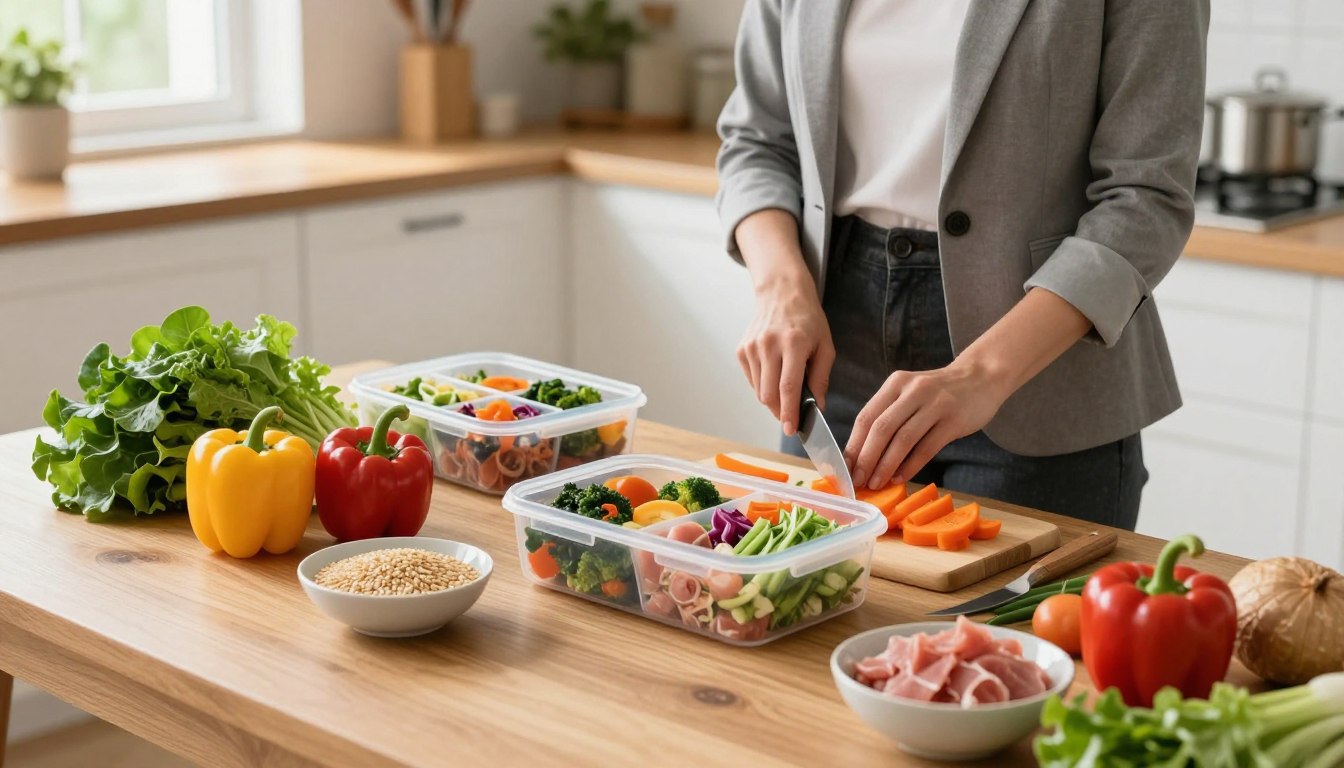
Can a hectic schedule really hinder your ability to eat healthily? For many of us, the answer is yes. With increasingly demanding lifestyles, it’s easy to fall into the trap of convenience foods and skipped meals.
Eating a balanced diet is crucial, even when life gets busy. A well-structured nutrition strategy can help increase energy levels, improve overall health, and boost productivity. By making a few simple changes, individuals can maintain a healthy eating routine despite their hectic schedules.
A balanced diet plan tailored to busy lifestyles can be a game-changer. It’s about finding the right nutrition strategies that work for you, not against your busy schedule.
Key Takeaways
- Eating a balanced diet is crucial for maintaining energy and overall health.
- A well-structured nutrition plan can boost productivity.
- Simple changes can help maintain a healthy eating routine.
- A tailored diet plan can work with, not against, a busy lifestyle.
- Nutrition strategies can be adapted to suit individual needs.
The Challenge of Healthy Eating with a Busy Schedule
Busy professionals often struggle to balance their hectic schedules with healthy eating habits. The demands of a career, combined with personal responsibilities, can leave little time for meal planning and preparation.
Common Nutrition Pitfalls for Busy Professionals
Busy professionals often fall into certain nutrition pitfalls that can have significant health implications.
Skipping Meals and Its Effects
Skipping meals is a common habit among those with busy schedules. This can lead to low energy levels and decreased productivity. When meals are skipped, the body is forced to work with depleted energy stores, potentially causing fatigue and decreased concentration.
Reliance on Processed Convenience Foods
Relying on processed convenience foods is another pitfall. These foods are often high in unhealthy fats, salt, and sugar, and low in essential nutrients. Regular consumption can lead to a range of health issues, including obesity and heart disease.
The Impact of Poor Eating Habits on Energy and Productivity
Poor eating habits can significantly affect both energy levels and productivity.
Blood Sugar Fluctuations and Energy Crashes
Consuming high-sugar foods and drinks can cause blood sugar levels to spike and then crash, leading to energy crashes and decreased productivity. Maintaining stable blood sugar levels is crucial for sustained energy.
Long-term Health Consequences
Long-term, poor eating habits can lead to serious health consequences, including diabetes, heart disease, and certain cancers. It’s essential to prioritize healthy eating to mitigate these risks.
| Nutrition Pitfall | Effect on Health | Healthy Alternative |
|---|---|---|
| Skipping Meals | Low energy, decreased productivity | Eating regular, balanced meals |
| Reliance on Processed Foods | Obesity, heart disease | Preparing meals with whole foods |
Creating a Balanced Diet Plan for Busy People
A well-balanced diet is crucial for maintaining energy and productivity, particularly for individuals with demanding lifestyles. Busy professionals need a diet plan that not only provides the necessary nutrients but also fits into their hectic schedules.
Essential Nutrients You Need Daily
Understanding the essential nutrients is the first step towards creating a balanced diet. These include macronutrients (protein, carbohydrates, and fats) and micronutrients (vitamins and minerals).
Protein, Carbs, and Fats: Finding the Right Balance
A balanced diet comprises protein, carbohydrates, and fats. Protein is crucial for muscle repair, carbohydrates provide energy, and fats support various bodily functions. A general guideline is to allocate 15-20% of daily calories to protein, 45-65% to carbohydrates, and 20-35% to fats.
| Nutrient | Daily Allocation | Food Sources |
|---|---|---|
| Protein | 15-20% | Lean meats, fish, eggs, legumes |
| Carbohydrates | 45-65% | Whole grains, fruits, vegetables |
| Fats | 20-35% | Nuts, seeds, avocados, olive oil |
Micronutrients You Shouldn’t Miss
Micronutrients, though required in smaller amounts, are vital for various bodily functions. Vitamin C is important for immunity, while calcium is crucial for bone health. Including a variety of fruits, vegetables, and dairy products can help meet micronutrient needs.
Calorie Considerations for Different Activity Levels
Caloric needs vary based on activity levels. Busy professionals with moderate activity levels require a different calorie intake compared to those with sedentary or highly active lifestyles. Generally, the more active you are, the more calories you need.
“The key to a successful diet is not just about cutting calories but ensuring you have the right balance of nutrients to support your energy needs.” – Nutrition Expert
Adapting Nutrition Principles to Hectic Schedules
Adapting to a healthy diet can be challenging with a busy schedule. However, strategies like meal prepping and planning can make a significant difference.
The 80/20 Approach to Realistic Eating
The 80/20 rule suggests that 80% of the time, you should eat healthy, and 20% of the time, you can indulge. This approach makes it more realistic to stick to a healthy diet even with a busy lifestyle.
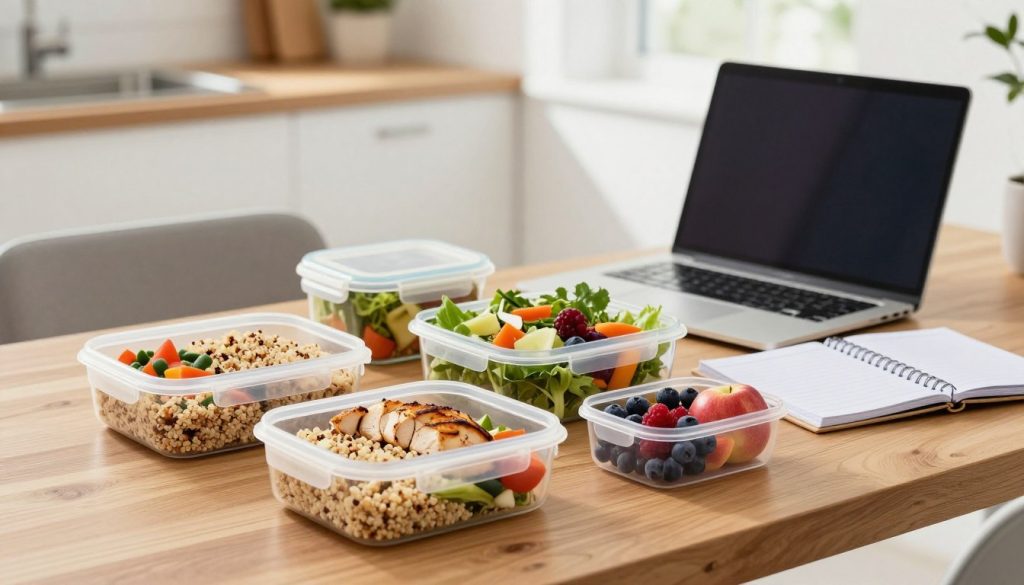
By understanding and applying these principles, busy professionals can create a balanced diet plan that supports their health and productivity.
Strategic Meal Planning for the Time-Strapped
Strategic meal planning is the key to a balanced diet, even for those with the busiest of schedules. By dedicating a small amount of time each week to planning, individuals can ensure they are making efficient food choices for on-the-go without sacrificing nutrition.
The 30-Minute Weekly Meal Planning Method
The first step in strategic meal planning is to allocate 30 minutes each week to plan out meals. This can be done using a planner, app, or digital calendar. The goal is to create a simple, achievable meal plan that considers dietary needs and preferences.
Digital Tools and Templates for Efficient Planning
Utilizing digital tools can streamline the meal planning process. Apps like Plan to Eat or Yummly allow users to organize recipes, create shopping lists, and schedule meals. Additionally, templates found online or in meal planning books can provide structure and inspiration.
Grocery Shopping Efficiency: Lists and Apps
Efficient grocery shopping is crucial for successful meal planning. Creating a detailed shopping list based on the meal plan can save time and reduce waste. Apps like Out of Milk or AnyList can help manage lists and find sales.
Online Grocery Shopping to Save Time
For those with extremely busy schedules, online grocery shopping can be a game-changer. Many stores now offer online shopping with delivery or curbside pickup, saving time and reducing the need to physically visit a store.
Batch Cooking Fundamentals for Busy Lifestyles
Batch cooking is a time-saving cooking strategy that involves preparing large quantities of a single ingredient or entire meals that can be reheated. This approach can significantly reduce daily cooking time.
Food Prep Equipment Worth Investing In
Investing in the right equipment, such as a slow cooker, Instant Pot, or food storage containers, can make batch cooking easier and more efficient.
Storage Solutions for Prepared Meals
Proper storage is essential for maintaining the freshness and safety of prepared meals. Using airtight containers and labeling them can help keep meals organized and ready for consumption.
By implementing these strategic meal planning techniques, individuals can enjoy a balanced diet without the daily stress of meal preparation, making efficient food choices for on-the-go a reality.
Quick and Nutritious Meal Ideas
In today’s fast-paced world, easy recipes for busy lifestyles are more than just a convenience – they’re a necessity. Finding the right balance between nutrition and speed can be challenging, but with the right meal ideas, it’s entirely achievable.
5-Minute Breakfast Options That Sustain Energy
Starting your day with a nutritious breakfast is crucial, even when time is limited. Here are some quick and healthy options:
Make-Ahead Breakfast Recipes
- Overnight oats: Mix oats, milk, and your choice of fruits or nuts in a jar. Refrigerate overnight and enjoy in the morning.
- Breakfast burritos: Prepare scrambled eggs, cheese, and your choice of fillings. Wrap in tortillas and freeze for a quick reheat.
No-Cook Morning Meals
- Yogurt parfait: Layer yogurt, granola, and fresh fruits in a bowl for a quick, nutritious breakfast.
- Fruit and cheese plate: Combine sliced fruits and cheese for a light, easy meal.
Lunch Solutions for Office and On-the-Go
Lunchtime can be just as hectic as breakfast. Here are some ideas for quick, healthy lunches:
Mason Jar Salads and Bento Box Ideas
- Mason jar salads: Layer greens, vegetables, and proteins in a mason jar for a fresh, portable lunch.
- Bento boxes: Pack a variety of small dishes like rice, vegetables, and lean proteins for a satisfying meal.
Healthy Desk Drawer Staples
- Nuts and seeds: Keep a stash of almonds, walnuts, or pumpkin seeds for a quick snack.
- Dried fruits: Dried apricots, cranberries, or raisins make for a healthy, convenient snack.
Dinner Recipes Ready in Under 20 Minutes
Dinner can be the most challenging meal to prepare after a long day. Here are some quick dinner ideas:
One-Pot Wonders
- Pasta primavera: Cook pasta, vegetables, and your choice of protein in a large pot.
- Stir-fry: Quickly sauté your favorite vegetables and protein, served over rice or noodles.
Sheet Pan Meals
- Roasted vegetables and chicken: Toss chicken and vegetables with olive oil and roast in the oven.
- Sheet pan fish: Season fish with herbs and lemon, roast with vegetables for a healthy meal.
Healthy “Assemble-Only” Meals
| Meal | Ingredients | Prep Time |
|---|---|---|
| Salad bowls | Greens, proteins, vegetables, nuts | 5 minutes |
| Wraps | Tortillas, fillings, vegetables, sauces | 3 minutes |
| Sandwiches | Bread, meats, cheeses, vegetables | 5 minutes |
By incorporating these quick and nutritious meal ideas into your daily routine, you can maintain a balanced diet even with a busy lifestyle.
Smart Eating Habits for Hectic Days
In today’s fast-paced world, adopting smart eating habits can make a significant difference in our overall well-being. Busy professionals often face challenges in maintaining a balanced diet due to their hectic schedules. However, by incorporating mindful eating practices, healthy snacking strategies, and navigating restaurant menus effectively, individuals can make informed dietary choices even on the most chaotic days.
Mindful Eating in a Distracted World
Mindful eating involves paying attention to the experience of eating and savoring each bite. In a world filled with distractions, it’s easy to overlook the importance of this practice. To cultivate mindful eating, start by eliminating distractions during meals.
The 5-Minute Mindful Eating Practice
To practice mindful eating, start by choosing a meal or snack where you can eat without distractions. Take a few deep breaths, then eat slowly, focusing on the flavors, textures, and aromas. This simple practice can help you develop a healthier relationship with food.
Healthy Snacking Strategies
Healthy snacking is crucial for maintaining energy levels throughout the day. Choosing the right snacks can make a significant difference. Consider preparing healthy snacks in advance to avoid last-minute, unhealthy choices.
Portable Snack Ideas for Different Nutritional Needs
For different nutritional needs, consider the following portable snack ideas: – Nuts and seeds for a protein boost – Fresh fruits for a natural source of sugar and fiber – Energy bars made with wholesome ingredients – Jerky or dried meats for a protein-rich snack
Creating Snack Emergency Kits
Assemble snack emergency kits with a variety of healthy options. Include items like trail mix, dried fruits, and energy bars. These kits can be lifesavers on particularly busy days.
| Snack Type | Nutritional Benefit | Portability |
|---|---|---|
| Nuts and Seeds | High in Protein and Healthy Fats | Easy to Carry |
| Fresh Fruits | Rich in Vitamins and Fiber | Very Portable |
| Energy Bars | Convenient Source of Energy | Highly Portable |
Restaurant and Takeout Navigation
Navigating restaurant and takeout menus can be challenging, but there are strategies to make healthier choices. Being mindful of menu terms and requesting modifications can significantly impact the healthiness of your meal.
Menu Decoding: Finding the Healthiest Options
When decoding menus, look for keywords like “grilled,” “roasted,” or “steamed.” These cooking methods often indicate healthier options. Avoid dishes with words like “fried” or “creamy.”
Meal Modifications to Request
Don’t hesitate to request meal modifications. Asking for less oil, no added salt, or extra vegetables can make a significant difference in the nutritional value of your meal.
By adopting these smart eating habits, individuals can maintain a balanced diet even on the most hectic days, supporting their overall health and productivity.
Conclusion: Maintaining Balance in Both Diet and Life
Achieving a balanced diet plan for busy people is not just about making healthy food choices; it’s about creating a lifestyle that promotes overall well-being. By implementing the strategies discussed in this article, individuals can maintain their energy levels, boost productivity, and enjoy a better quality of life.
A balanced diet plan for busy people involves more than just meal planning; it requires a holistic approach that incorporates healthy eating habits, regular physical activity, and stress management. By making a few simple changes to daily routines, busy professionals can reap the benefits of a balanced lifestyle.
By adopting a balanced diet plan, individuals can experience improved overall health, increased energy, and enhanced mental clarity. This, in turn, can lead to greater productivity, better work-life balance, and a more fulfilling life. Start your journey to a balanced lifestyle today by incorporating the tips and strategies outlined in this article.