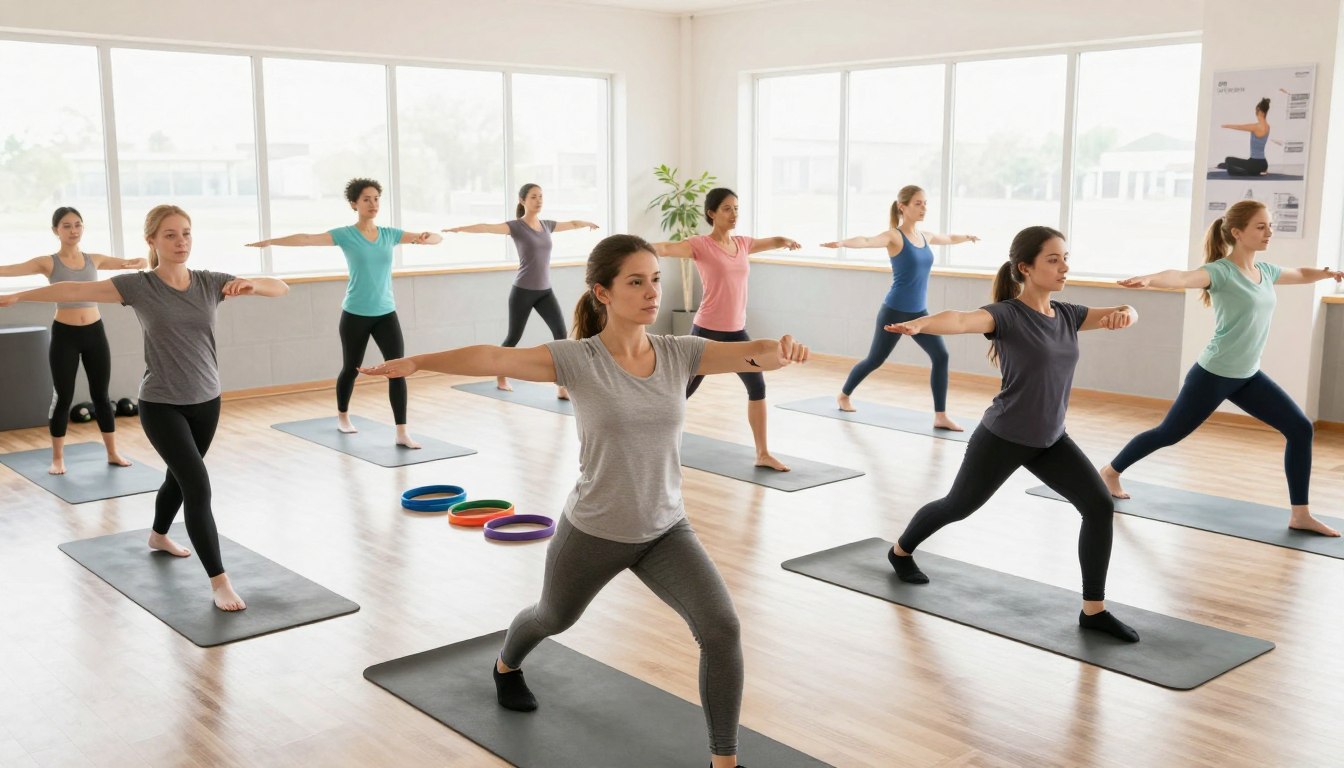
Are you struggling with stiffness and limited range of motion, wondering if there’s a simple way to improve your overall flexibility and well-being? Can a few minutes of daily movement really make a difference? The answer lies in incorporating simple mobility exercises into your daily routine.
As a beginner, starting with gentle and manageable movements can help you build a strong foundation for improved flexibility and reduced muscle tension. This article will guide you through the basics of mobility exercises, providing a clear understanding of how to get started and what to expect.
Key Takeaways
- Understand the benefits of mobility exercises for overall well-being
- Learn simple exercises to improve flexibility and reduce stiffness
- Discover how to incorporate mobility exercises into your daily routine
- Get tips on progressing from beginner to more advanced movements
- Find out how mobility exercises can enhance your overall quality of life
Understanding Mobility and Why It Matters
Understanding mobility is essential for maintaining a healthy and active lifestyle. Mobility refers to the ability to move freely and easily, which is crucial for performing daily tasks and maintaining independence.
The Difference Between Mobility and Flexibility
Mobility and flexibility are often used interchangeably, but they have distinct meanings. Mobility refers to the ability of a joint to move through its range of motion, while flexibility is the ability of muscles to lengthen. Both are essential for optimal movement.
Health Benefits of Regular Mobility Practice
Regular mobility practice offers numerous health benefits, including improved range of motion, reduced risk of injury, and enhanced overall physical function. It can also improve posture and reduce muscle tension.
| Benefit | Description |
|---|---|
| Improved Range of Motion | Increased ability to move joints through their full range. |
| Reduced Injury Risk | Enhanced joint stability and resilience. |
| Better Posture | Improved alignment and reduced muscle strain. |
Common Mobility Issues in Modern Life
Modern lifestyles often lead to mobility issues, such as sedentary behavior and poor posture
By incorporating simple daily mobility drills into your routine, you can improve your overall mobility and reduce the risk of common mobility issues.
Getting Started with Daily Mobility Exercises for Beginners
Embarking on a daily mobility exercise routine can be a transformative experience for beginners. To ensure a smooth start, it’s essential to understand the basics of mobility training.
Essential Equipment for Mobility Training
While mobility exercises can be done with minimal equipment, having the right tools can enhance your practice. Beginner-friendly mobility tools include resistance bands and foam rollers.
Beginner-Friendly Mobility Tools
Resistance bands are versatile and portable, making them ideal for beginners. They come in various resistance levels, allowing you to progress at your own pace.
No-Equipment Options
If you prefer not to use equipment, bodyweight exercises are a great alternative. Simple movements like leg swings and arm circles can be very effective.
Creating Space for Your Practice
Designate a quiet, clutter-free area for your mobility practice. Ensure the space is large enough to move freely.
Setting Realistic Expectations
Understand that mobility is a journey. Be patient and consistent, and you’ll see progress over time.
Safety Considerations Before You Begin
Before starting any new exercise routine, consider your health and any potential limitations. Consult with a healthcare professional if you have concerns.
| Equipment | Benefits |
|---|---|
| Resistance Bands | Portable, versatile, and adjustable resistance |
| Foam Rollers | Great for self-myofascial release and improving circulation |
| Bodyweight Exercises | No equipment needed, effective for improving mobility |

Upper Body Mobility Exercises
Gentle mobility movements for novices often start with upper body exercises to enhance flexibility and reduce stiffness. These exercises are designed to be simple, effective, and easy to incorporate into daily routines.
Neck and Shoulder Mobility Drills
Neck and shoulder mobility drills are essential for relieving tension and improving range of motion. These exercises target common areas of stiffness.
Controlled Neck Rotations
Slowly rotate your neck to the right, bringing your ear towards your shoulder, then return to the starting position and repeat on the left side.
Shoulder Circles and Shrugs
Make small circles with your shoulders, first clockwise and then counterclockwise. Follow this with shoulder shrugs to loosen the muscles.
Wall Angels
Stand with your back against a wall and arms at a 90-degree angle. Slowly move your arms up and down, maintaining contact with the wall.
Wrist and Forearm Exercises
Wrist and forearm exercises help to alleviate stiffness and improve dexterity. Simple rotations and extensions can make a significant difference.
Thoracic Spine Mobility Movements
Thoracic spine mobility is crucial for overall upper body flexibility. Gentle twists and extensions can help improve mobility.
| Exercise | Benefit | Repetitions |
|---|---|---|
| Controlled Neck Rotations | Relieves neck tension | 5-10 |
| Shoulder Circles | Loosens shoulder muscles | 5-10 |
| Wall Angels | Improves shoulder mobility | 5-10 |
Shoulder Blade and Chest Openers
Exercises that target the shoulder blades and chest can significantly improve posture and reduce discomfort. Squeeze your shoulder blades together and hold for a few seconds before releasing.
Lower Body Mobility Routines
Focusing on lower body mobility can significantly improve daily functioning and athletic performance. A well-structured mobility routine can enhance flexibility, reduce the risk of injury, and improve overall movement quality.
Hip Mobility Fundamentals
Hip mobility is crucial for maintaining healthy hips and improving overall lower body mobility. Incorporating specific exercises can help increase range of motion and reduce stiffness.
Gentle Hip Circles
Gentle hip circles involve rotating the hips in a circular motion, first clockwise and then counterclockwise. This exercise helps loosen the hip joint and improve mobility.
World’s Greatest Stretch
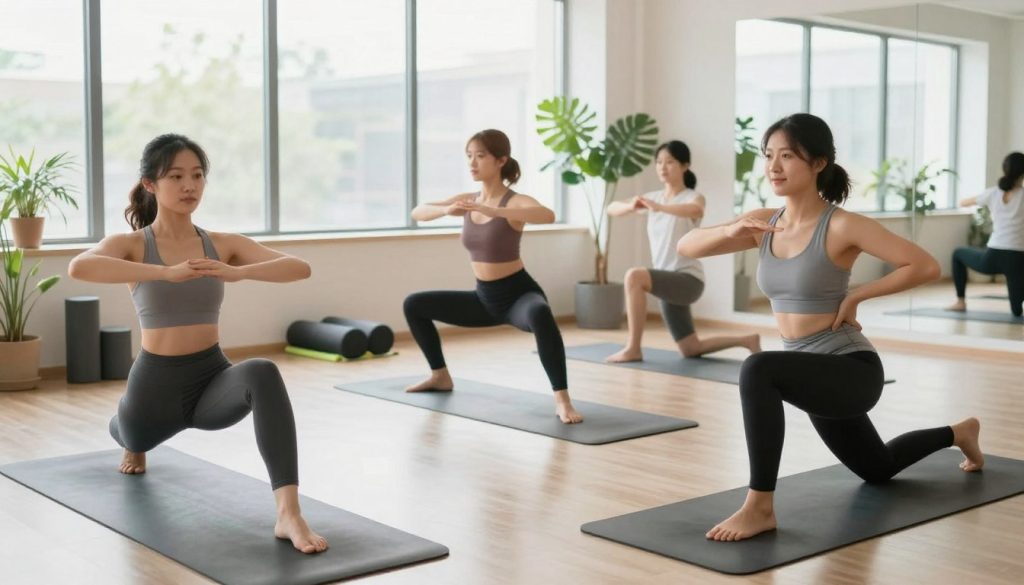
The world’s greatest stretch is a dynamic stretch that targets the hips, glutes, and lower back. It involves a lunge position with the back knee almost touching the ground, followed by a rotation of the torso.
Deep Squat Holds
Deep squat holds involve lowering into a deep squat position and holding for a few seconds. This exercise strengthens the legs and improves hip mobility.
Ankle and Foot Exercises
Ankle and foot mobility exercises are essential for maintaining flexibility and preventing injuries. Simple exercises like ankle rotations and toe spreads can make a significant difference.
Knee-Friendly Mobility Drills
Knee-friendly mobility drills are designed to improve knee mobility without putting excessive strain on the joint. Exercises such as straight leg raises and knee extensions are beneficial.
Hamstring and Quad Mobility Movements
Hamstring and quad mobility movements are vital for maintaining balance and flexibility in the legs. Exercises like hamstring stretches and quad stretches can help improve mobility and reduce muscle tension.
By incorporating these lower body mobility routines into your daily practice, you can enhance your overall mobility, improve athletic performance, and reduce the risk of injury.
Core and Full-Body Mobility Sequences
Core and full-body mobility sequences are essential for beginners looking to improve their flexibility and strength. These exercises help in enhancing overall physical fitness by targeting multiple muscle groups simultaneously.
Dynamic Core Stability Exercises
Dynamic core stability exercises are crucial for building a strong foundation. They include a variety of movements that engage the core muscles, improving stability and balance.
- Cat-Cow Variations: These exercises help in warming up the spine and improving flexibility. Gentle and controlled movements are key.
- Gentle Side Bends: This exercise targets the obliques, enhancing lateral flexibility.
- Controlled Rotational Movements: These movements improve rotational strength and flexibility, essential for daily activities.
Spinal Articulation Movements
Spinal articulation movements involve gentle, sequential movements that help in improving the flexibility and mobility of the spine. These exercises are beneficial for maintaining a healthy back.
Full-Body Flow Sequences for Beginners
Full-body flow sequences are designed to integrate various mobility exercises into a cohesive routine. These sequences are perfect for beginners as they promote overall mobility and strength.
By incorporating these core and full-body mobility sequences into your daily routine, you can significantly enhance your overall fitness and well-being. Start with slow, controlled movements and gradually increase the intensity as you become more comfortable.
Building a Sustainable Daily Mobility Routine
A well-structured daily mobility routine can significantly enhance overall well-being. To make mobility a sustainable part of your daily life, it’s essential to create a routine that is both effective and manageable.
Here are some practical tips to help you build your daily mobility practice:
- Start with short sessions and gradually increase duration
- Incorporate mobility exercises into your daily activities
- Focus on consistency rather than intensity
5-Minute Morning Mobility Routine
Begin your day with a 5-minute morning mobility routine that includes entry-level mobility drills such as neck stretches, shoulder rolls, and hip circles. This will help increase your energy levels and prepare your body for the day ahead.
Mid-Day Movement Breaks
Take short mid-day movement breaks to stretch and move. Even a few minutes of stretching at your desk can make a significant difference in how you feel.
Evening Unwinding Sequence
Create an evening unwinding sequence that includes gentle mobility exercises to help your body relax and prepare for rest. Focus on deep breathing and slow movements.
Tracking Your Mobility Progress
Keep a mobility journal to track your mobility progress. Note how you feel after each session and any changes you notice over time. This will help you stay motivated and committed to your practice.
Conclusion: Embracing Mobility for Long-Term Wellness
Incorporating daily mobility exercises for beginners into your routine can significantly enhance your overall wellness. By understanding the importance of mobility and starting with simple exercises, you can improve your flexibility, reduce injury risk, and boost your quality of life.
As you’ve learned, daily mobility exercises can be adapted to suit your lifestyle, whether you’re looking to improve your upper body, lower body, or overall mobility. By committing to a regular practice, you’ll experience the benefits of increased range of motion, reduced muscle tension, and enhanced athletic performance.
To continue your mobility journey, remember to start slow, be consistent, and listen to your body. With daily mobility exercises for beginners, you’ll be well on your way to achieving long-term wellness and enjoying a more active, healthy lifestyle.