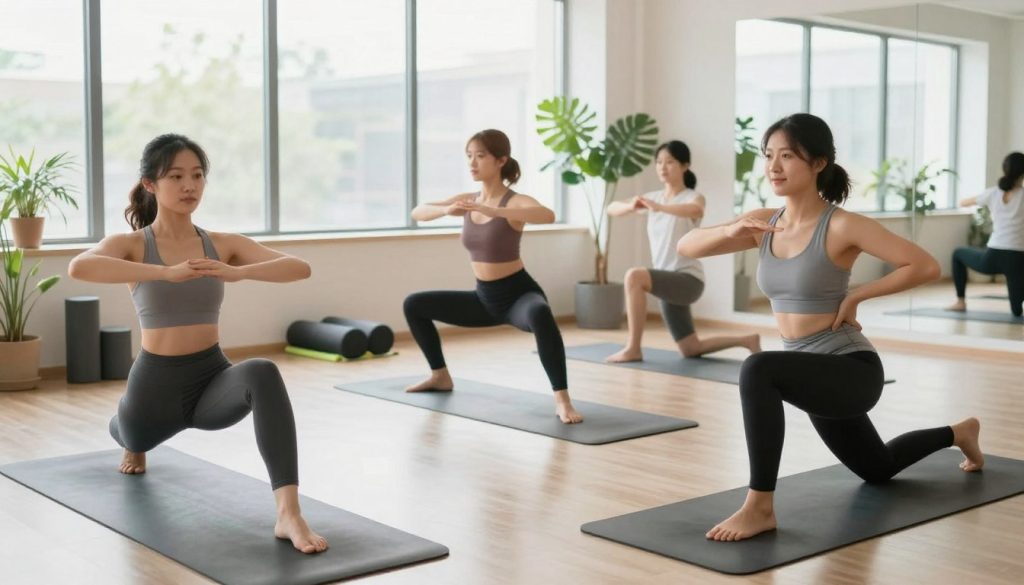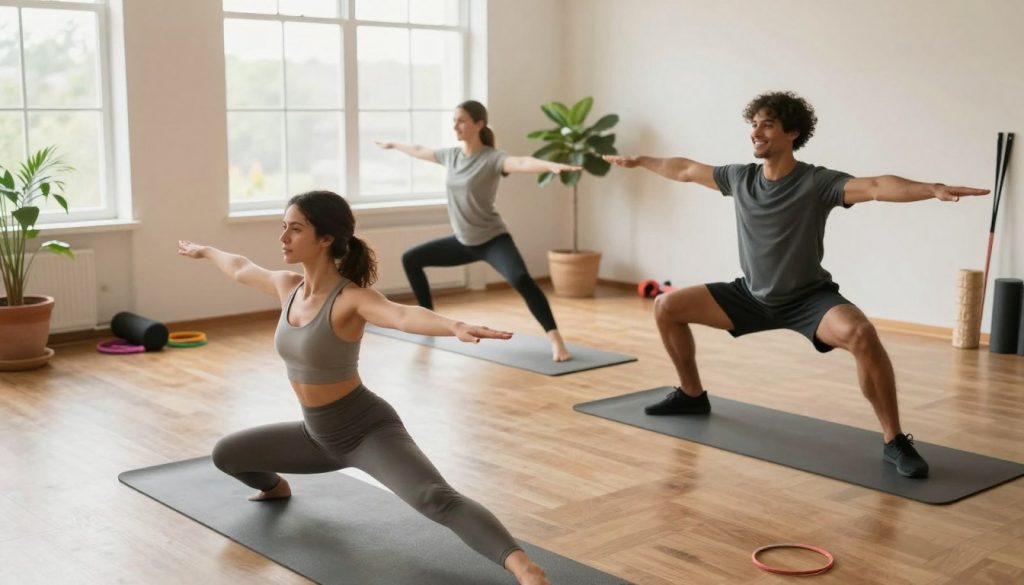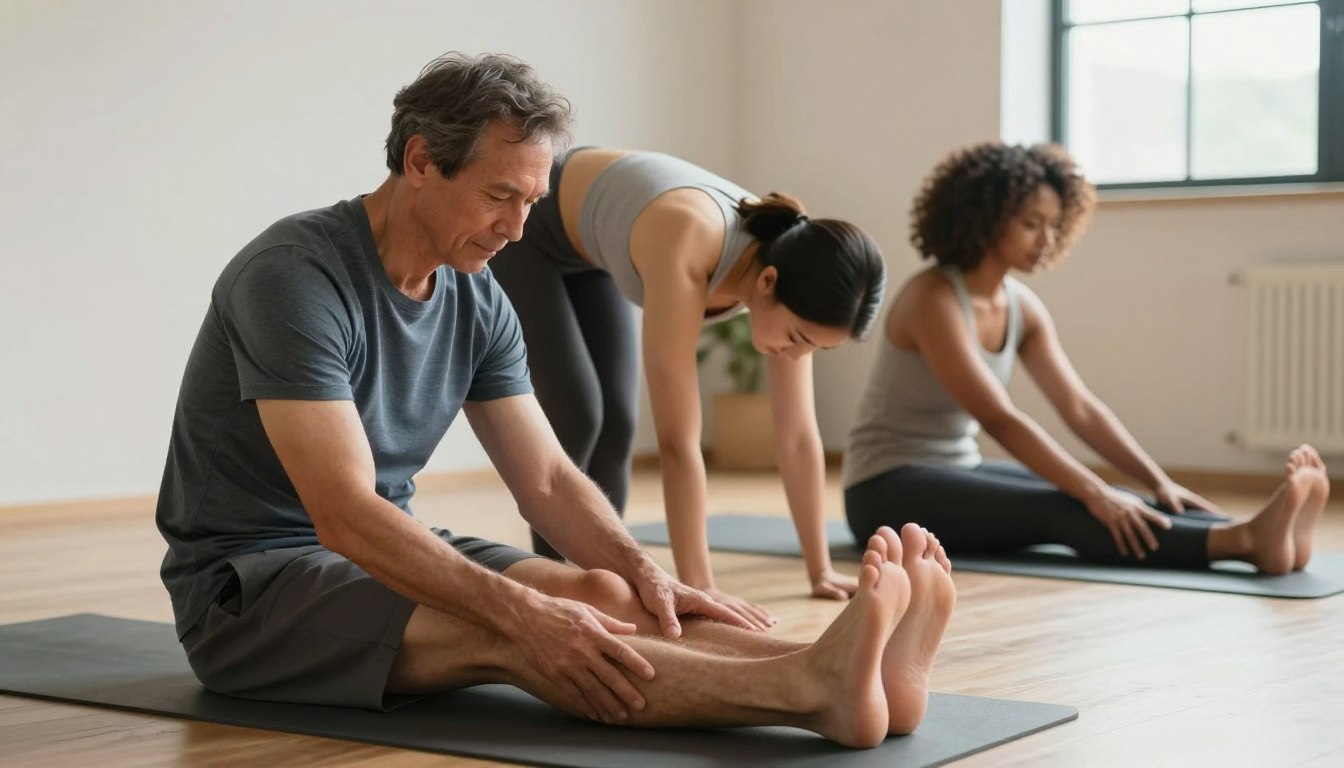
Category: Recovery & Mobility

  • Relieve Joint Stiffness with These Mobility Moves

    Relieve Joint Stiffness with These Mobility Moves

    Are you tired of feeling restricted by stiff joints that make everyday activities a challenge? Joint stiffness can significantly impact your quality of life, making simple tasks like walking or reaching for something a struggle.

    Can simple movements really make a difference? Yes, incorporating mobility routines into your daily life can provide joint stiffness relief. By doing so, you can regain flexibility and ease of movement.

    Discover how these easy-to-follow mobility exercises can help alleviate stiffness and improve your overall well-being.

    Key Takeaways

    • Understand the causes of joint stiffness and its impact on daily life.
    • Learn simple mobility routines to relieve stiffness.
    • Improve flexibility and range of motion with targeted exercises.
    • Enhance overall well-being through regular mobility practices.
    • Start your journey to a more active, pain-free life.

    Understanding Joint Stiffness: Causes and Effects

    Many individuals experience joint stiffness at some point in their lives, often due to age, injury, or underlying medical conditions. This stiffness can manifest in various parts of the body, including the knees, hips, shoulders, and elbows.

    Common Causes of Joint Stiffness

    Joint stiffness can result from several factors, including arthritis, overuse, or trauma. As we age, our joints naturally undergo wear and tear, leading to stiffness. Additionally, injuries or repetitive strain can cause inflammation, further contributing to stiffness.

    How Stiffness Impacts Daily Activities

    Stiffness in the joints can significantly impact daily life, making everyday tasks challenging. Simple actions like walking, dressing, or even typing can become arduous. This reduced mobility can affect not only physical health but also mental well-being.

    The Science Behind Mobility Training

    Mobility training is designed to improve joint health by enhancing flexibility and range of motion. Through specific exercises, mobility training helps reduce stiffness, promoting better movement and reducing the risk of injury.

    Causes of Joint Stiffness Effects on Daily Life
    Arthritis Difficulty walking
    Overuse or trauma Challenges with dressing
    Aging Reduced mobility

    Mobility Exercises for Stiff Joints: The Fundamentals

    To tackle joint stiffness, it’s essential to understand the fundamentals of mobility exercises. Mobility exercises are designed to improve the range of motion and reduce stiffness in the joints, making daily activities easier and less painful.

    Difference Between Stretching and Mobility Work

    While often used interchangeably, stretching and mobility work are distinct. Stretching typically involves holding a position for a period to lengthen the muscle, whereas mobility exercises focus on moving the joints through their range of motion to improve flexibility and strength.

    Mobility work is more dynamic and can include exercises that strengthen the muscles around the joint, enhancing stability and reducing stiffness.

    Equipment You’ll Need

    Fortunately, you don’t need a lot of equipment to start mobility exercises. Some useful items include:

    • Foam rollers for self-myofascial release
    • Resistance bands for strengthening
    • Yoga mats for comfort and grip

    Creating Your Mobility Routine

    To create an effective mobility routine, start by identifying the areas that need the most attention. Consider the following table to help you plan:

    Joint Area Exercise Repetitions
    Shoulders Arm Circles 10-15
    Knees Knee Slides 10-15
    Hips Leg Swings 10-15

    Begin with short sessions and gradually increase the duration as you become more comfortable with the exercises. Consistency is key to improving joint mobility.
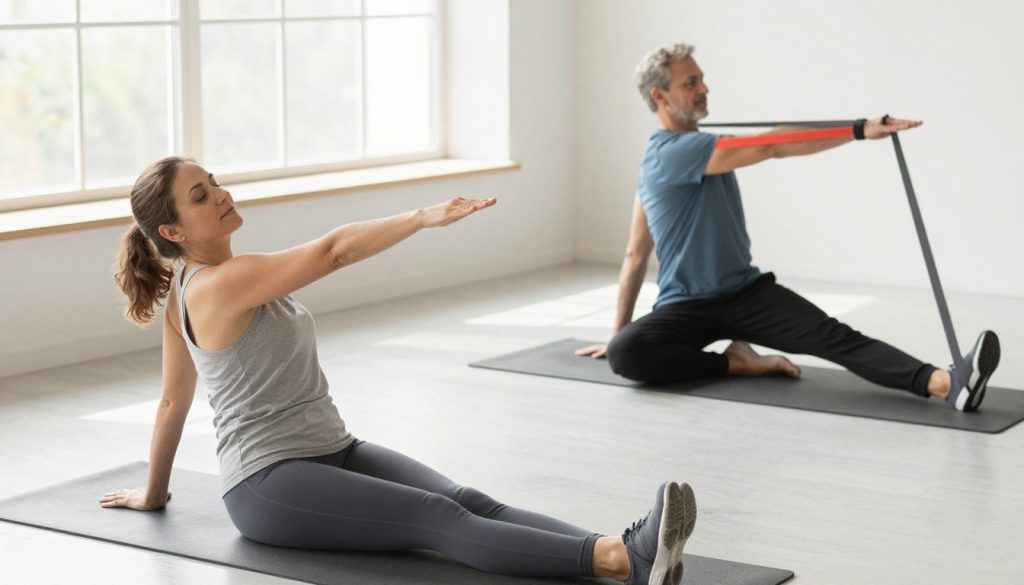
    A serene indoor fitness space featuring a diverse group of three individuals demonstrating various basic mobility exercises suitable for relieving joint stiffness. In the foreground, a middle-aged woman in modest athletic wear is performing a gentle spinal twist. Beside her, a young man in comfortable, professional attire is doing an ankle stretch, focusing on his form. In the background, a senior gentleman is using a resistance band for shoulder mobility, showcasing his effort. The atmosphere is bright and encouraging, with soft natural light streaming in through large windows. The perspective is slightly elevated, capturing the entire scene, while soft shadows create a welcoming environment. The overall mood is one of wellness and positivity, as the individuals engage in healthy movement together.

    Upper Body Mobility Moves

    To alleviate joint stiffness, it’s essential to incorporate effective upper body mobility exercises into your routine. Upper body mobility plays a crucial role in enhancing overall flexibility and reducing the risk of injury.

    Shoulder Mobility Exercises

    The shoulders are one of the most mobile joints in the body, and maintaining their mobility is vital for everyday activities. Here are some effective exercises to improve shoulder mobility:

    Shoulder Circles and Arm Swings

    Start by making small circles with your shoulders, gradually increasing the size of the circles as you continue. Arm swings are another effective exercise; simply hold your arms straight out to the sides and swing them forward and backward.

    Wall Slides and Doorway Stretches

    Wall slides help improve shoulder flexion and extension. Stand with your back against the wall and slide your arms up, keeping them in contact with the wall. Doorway stretches are also beneficial; stand in a doorway with your hands on the doorframe at shoulder height and lean forward.

    Wrist and Elbow Mobility

    In addition to shoulder mobility, maintaining flexibility in the wrists and elbows is crucial for overall upper body mobility.

    Wrist Flexion and Extension

    Hold your arm straight out in front of you and use your other hand to gently pull your hand down and then up, stretching your wrist.

    Forearm Rotations and Tennis Ball Releases

    Rotate your forearm in both clockwise and counterclockwise directions to improve mobility. Using a tennis ball, roll it on a hard surface with your palm, applying gentle pressure to release tension.

    Some key exercises to focus on include:

    • Shoulder Circles: Improves shoulder mobility and reduces stiffness.
    • Wall Slides: Enhances shoulder flexion and extension.
    • Wrist Flexion and Extension: Maintains wrist mobility and flexibility.
    • Forearm Rotations: Improves forearm mobility and reduces tension.

    By incorporating these exercises into your daily routine, you can significantly improve your upper body mobility and reduce joint stiffness.

    Lower Body Joint Relief Exercises

    Effective lower body mobility involves a combination of hip, knee, and ankle exercises. These exercises are designed to alleviate stiffness and improve flexibility. By incorporating these mobility sequences into your routine, you can significantly enhance your lower body’s range of motion.

    Hip Mobility Sequences

    Hip mobility is crucial for maintaining flexibility and reducing stiffness. Two effective exercises for hip mobility are hip circles and pigeon pose variations.

    Hip Circles and Figure Eights

    Hip circles help loosen the hip joint, improving flexibility. To perform hip circles, stand with your feet shoulder-width apart and your hands on your hips. Make large circles with your hips, first clockwise and then counterclockwise.

    Figure eights are another variation that targets the hips from different angles. This exercise involves moving your hips in a figure-eight pattern, which helps in reducing stiffness and improving mobility.

    Pigeon Pose Variations

    Pigeon pose is a highly effective stretch for the hips. Start on your hands and knees, then bring one knee forward and place your foot on the other knee. Lower your hips towards the ground, stretching the back leg and hip. Hold for a few breaths and switch sides.

    Variations of pigeon pose can be adapted to suit different levels of flexibility. For added challenge or depth, you can adjust the position of your back leg or use blocks for support.
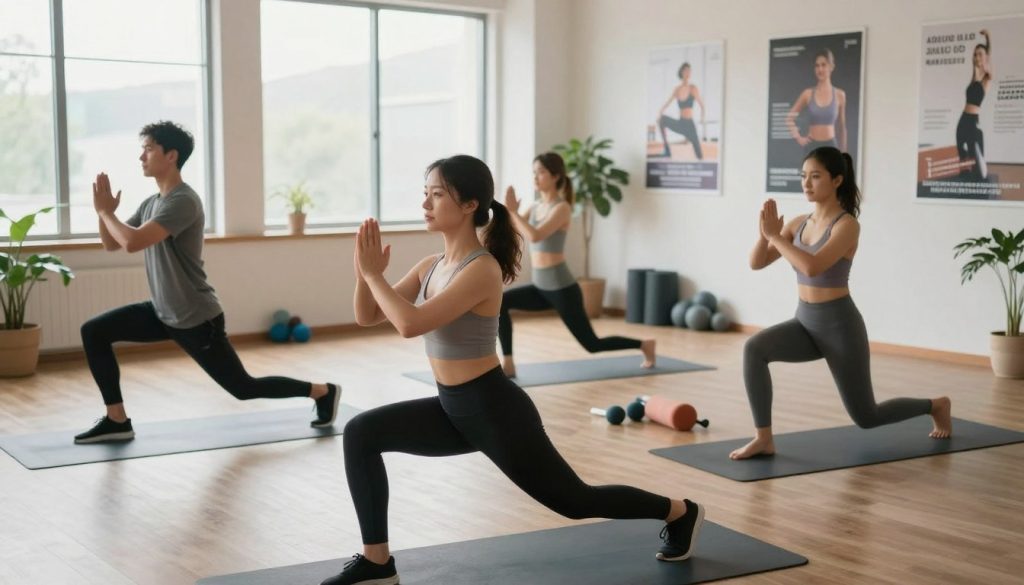
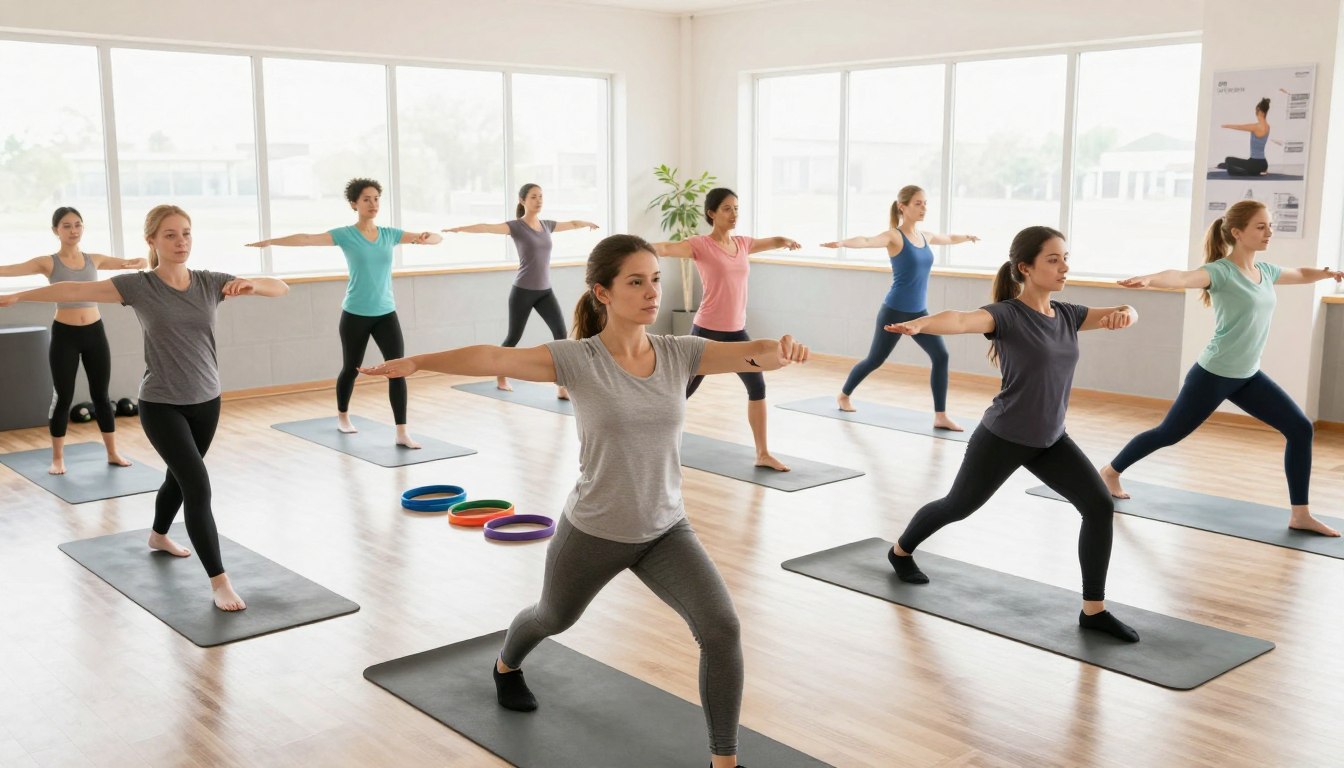
    A serene indoor fitness studio setting with large windows allowing soft, natural light to fill the space. In the foreground, a diverse group of three individuals in professional workout attire engages in various lower body mobility exercises, such as lunges, leg swings, and seated stretches, showcasing correct postures and techniques. The middle ground features yoga mats and fitness props scattered, emphasizing a focused and energetic atmosphere. In the background, motivational posters on the walls promote health and wellness themes, with potted plants adding a touch of greenery. The overall mood is one of empowerment and positivity, encouraging viewers to embrace joint mobility practices for improved flexibility and movement. The image captures a dynamic action shot from a slightly elevated angle to create depth and movement.

    Knee and Ankle Mobility

    In addition to hip mobility, it’s essential to focus on knee and ankle exercises to achieve comprehensive lower body mobility.

    Gentle Knee Circles and Extensions

    Gentle knee circles help improve knee mobility without putting excessive strain. Stand with your feet together and hands on your knees. Bend your knees slightly and make small circles, first clockwise and then counterclockwise.

    Knee extensions are another simple yet effective exercise. Stand with one hand on a wall for balance, lift one leg out in front of you, and gently straighten it. Hold for a moment and lower it back down.

    Ankle Alphabets and Foot Rolls

    Ankle alphabets involve tracing the alphabet with your toes, which helps improve ankle mobility and strength. This exercise can be done while seated or standing.

    Foot rolls using a tennis ball or a foam roller can help relieve tension in the feet and ankles. Simply roll the ball or roller under your foot, applying gentle pressure.

    Spine and Core Mobility Techniques

    Spine mobility techniques are essential for maintaining a strong, flexible core. Improving the flexibility and strength of your spine can significantly impact your overall physical fitness and daily functioning.

    To enhance your spine and core mobility, consider incorporating the following exercises into your routine.

    Gentle Spinal Twists

    Gentle spinal twists are an effective way to improve flexibility and reduce stiffness in the spine. To perform a gentle spinal twist, sit comfortably on the floor with your legs crossed. Twist your torso to one side, keeping your hips facing forward. Hold for a few breaths and then repeat on the other side.

    Cat-Cow Variations

    Cat-cow variations are another excellent exercise for enhancing spine mobility. Start on your hands and knees. Arch your back, lifting your tailbone and head towards the ceiling (cat pose). Then, round your back, tucking your chin to your chest and your tailbone towards the floor (cow pose). Repeat this sequence several times.

    Thoracic Spine Mobility Drills

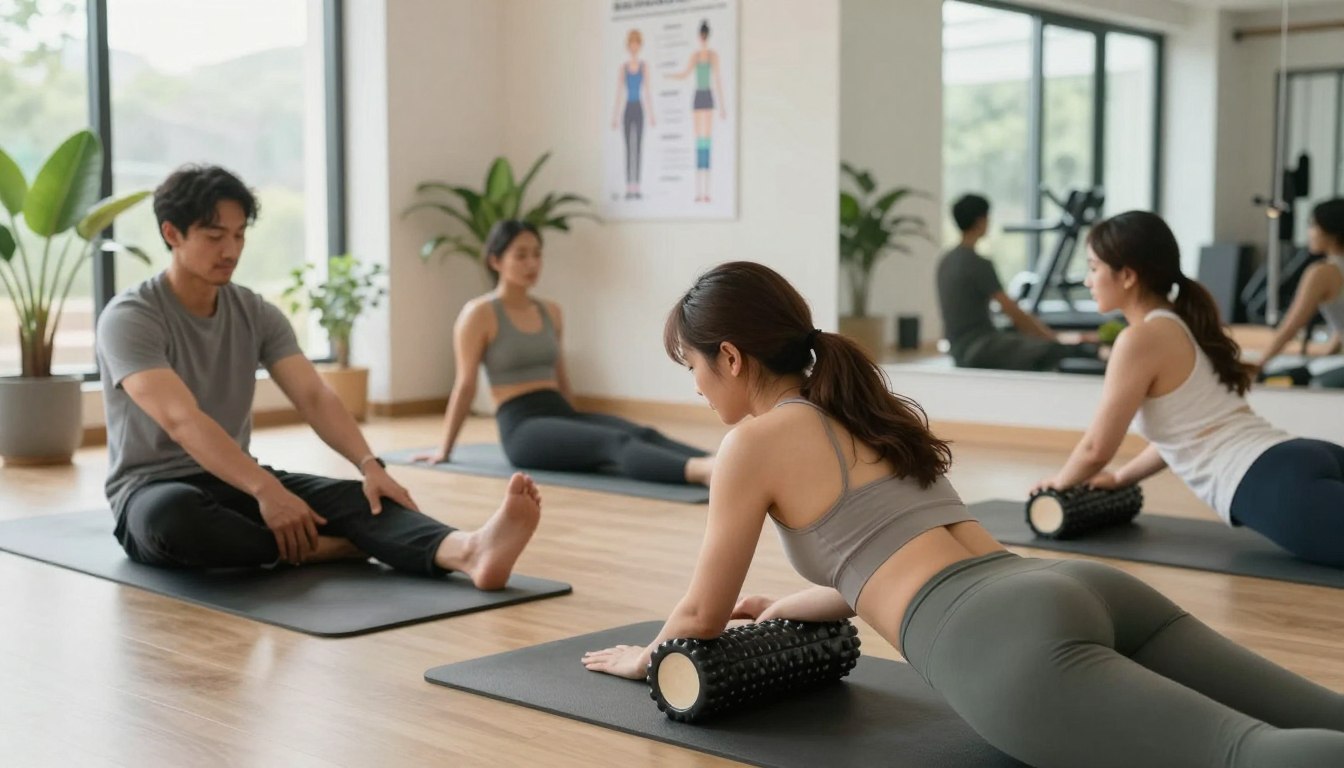
    Thoracic spine mobility drills can help improve the flexibility of your upper back. One effective drill involves using a foam roller. Lie on the foam roller, positioned horizontally across your upper back. Gently roll back and forth, stretching your thoracic spine.

    Exercise Benefits Tips
    Gentle Spinal Twists Improves flexibility, reduces stiffness Keep hips facing forward
    Cat-Cow Variations Enhances spine mobility, stretches back Move slowly, breathe deeply
    Thoracic Spine Mobility Drills Improves upper back flexibility Use a foam roller, roll gently

    Safety Guidelines and When to Consult a Professional

    When starting any new exercise routine, including mobility exercises, it’s crucial to understand the safety guidelines to avoid injury. Mobility exercises can greatly enhance joint health, but being aware of your body’s limits and signals is key to a safe practice.

    Recognizing the Difference Between Discomfort and Pain

    It’s essential to differentiate between the discomfort that comes with stretching or moving your joints through a new range of motion and pain that could indicate a problem. Discomfort is typically a dull, manageable feeling, whereas pain is sharper and can be a sign of overexertion or injury. Listening to your body and stopping when you experience pain is crucial.
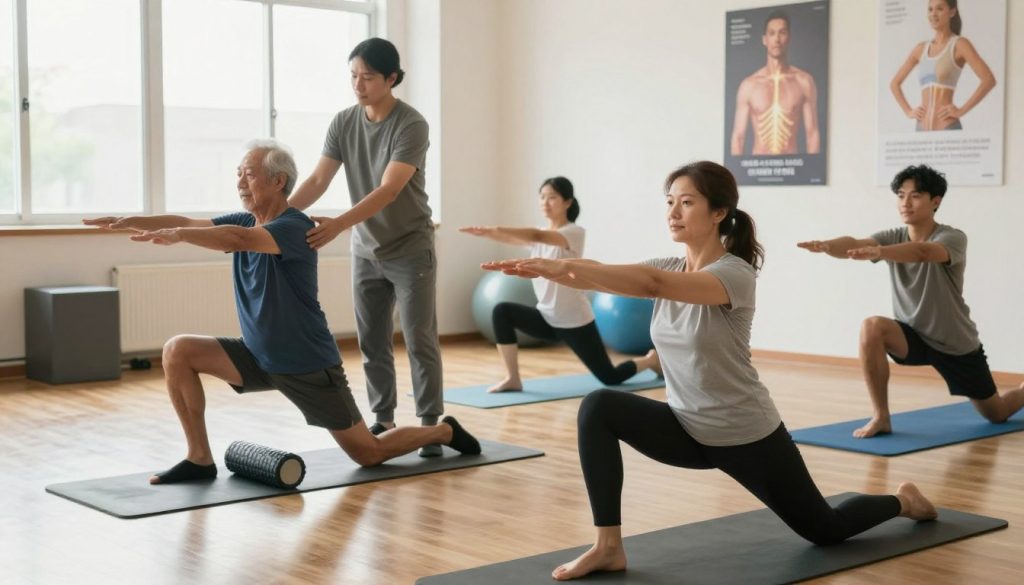
    A bright, well-lit gym environment showcasing a diverse group of individuals performing various mobility exercises. In the foreground, a middle-aged woman in professional athletic attire is demonstrating a gentle stretching maneuver, highlighting proper form and technique. Next to her, a young man is using a foam roller, emphasizing self-care and injury prevention. In the middle ground, a trainer attentively assists an elderly participant, ensuring safety and providing guidance. The background features exercise mats, stability balls, and motivational posters focused on joint health and mobility, creating an atmosphere of encouragement and support. Soft, natural lighting filters in through large windows, giving the scene a warm and inviting feel. The overall mood is focused on safety, education, and community wellness.

    Modifications for Different Fitness Levels

    Mobility exercises can be adapted to suit different fitness levels. For those just starting out or with certain limitations, gentle, low-impact movements can be a good starting point. As you become more comfortable, you can gradually increase the intensity or depth of your mobility exercises.

    Red Flags That Warrant Medical Attention

    Certain symptoms during or after mobility exercises are red flags that warrant medical attention. These include sharp pain, numbness, tingling, or instability in the joints. If you experience any of these, it’s important to stop your exercise routine and consult a healthcare professional.

    Conclusion: Consistency Is Key for Joint Health

    Maintaining healthy joints requires a consistent effort. By incorporating mobility exercises into your daily routine, you can experience significant joint health benefits, including improved flexibility and reduced stiffness.

    Consistency in mobility exercises is crucial for achieving and maintaining optimal joint health. Regular practice helps to keep your joints lubricated and your muscles strong, making daily activities easier and less painful.

    Make these exercises a habit, and you’ll be on your way to enjoying the long-term benefits of improved joint mobility and overall well-being. Stay committed, and you’ll feel the positive impact on your daily life.

    FAQ

    What are the common causes of joint stiffness?

    Joint stiffness can be caused by various factors, including age, injury, medical conditions such as arthritis, and a lack of mobility or exercise. Understanding the underlying cause is crucial for effective management.

    How do mobility exercises help alleviate joint stiffness?

    Mobility exercises help improve joint flexibility and reduce stiffness by increasing the range of motion, strengthening the surrounding muscles, and promoting blood flow to the affected area.

    What is the difference between stretching and mobility work?

    While both stretching and mobility exercises aim to improve flexibility, mobility work focuses on moving the joints through a range of motion, often with a dynamic or active component, whereas stretching tends to be more static.

    What equipment do I need for mobility exercises?

    The necessary equipment for mobility exercises can vary, but common items include foam rollers, resistance bands, and yoga mats. Some exercises can be done without any equipment at all.

    How often should I perform mobility exercises to see results?

    Consistency is key. Performing mobility exercises regularly, ideally 2-3 times a week, can lead to noticeable improvements in joint flexibility and reduced stiffness over time.

    Are there any safety guidelines I should follow when doing mobility exercises?

    Yes, it’s essential to listen to your body and stop if you experience pain. Modifications for different fitness levels are available, and certain red flags, such as severe pain or swelling, warrant medical attention.

    Can mobility exercises help with chronic joint pain?

    Mobility exercises can be beneficial for managing chronic joint pain by improving joint health and reducing stiffness. However, it’s crucial to consult with a healthcare professional to determine the best course of action for your specific condition.

    How do I create a personalized mobility routine?

    To create a personalized mobility routine, start by identifying the areas you want to focus on, such as the upper or lower body. Then, choose exercises that target those areas, and consider your fitness level and any limitations you may have.
  • Home Remedies for Sore Muscles: Recovery Tips

    Home Remedies for Sore Muscles: Recovery Tips

    Are you tired of feeling achy after a workout or a long day? Do sore muscles have you sidelined? You’re not alone. Millions of people around the world experience muscle soreness, wondering if there’s a way to alleviate the discomfort without breaking the bank or relying on medication.

    Fortunately, there are several effective home remedies that can help soothe sore muscles, promoting faster recovery. This article will explore some of the best techniques and treatments you can try in the comfort of your own home.

    Key Takeaways

    • Simple stretches to ease muscle tension
    • Effective temperature therapies for pain relief
    • Nutritional advice to support muscle health
    • Rest and relaxation techniques for faster recovery
    • Over-the-counter and natural pain relief options

    Understanding Muscle Soreness: Causes and Types

    When you push your body to its limits, it’s normal to feel sore, but understanding the causes of this soreness can help you recover more effectively. Muscle soreness, also known as delayed onset muscle soreness (DOMS), typically occurs after intense or unfamiliar exercise.

    Delayed Onset Muscle Soreness (DOMS) Explained

    DOMS is characterized by muscle stiffness and pain that peaks within 48-72 hours after exercise. It’s caused by micro-tears in the muscle fibers, leading to inflammation and repair. Effective muscle recovery techniques can help alleviate DOMS.

    Acute vs. Chronic Muscle Pain

    Acute muscle pain is short-term and related to specific activities or injuries, whereas chronic pain persists over time. Understanding the difference is crucial for applying the right sore muscle relief at home methods.

    When to Seek Medical Attention for Severe Pain

    If you experience severe, persistent, or debilitating pain, it’s essential to seek medical attention. Certain conditions, such as muscle tears or ruptures, require professional diagnosis and treatment.

    The Science Behind Effective Recovery Tips for Sore Muscles at Home

    Effective recovery from muscle soreness at home requires a grasp of how muscles repair themselves and the most suitable natural remedies to aid this process. Muscle recovery is a complex process involving various physiological responses.

    How Muscles Repair Themselves After Exercise

    After exercise, muscles undergo micro-tears, leading to inflammation and soreness. The body repairs these tears by rebuilding muscle fibers, making them stronger over time. This natural repair process can be supported through adequate rest, nutrition, and hydration.

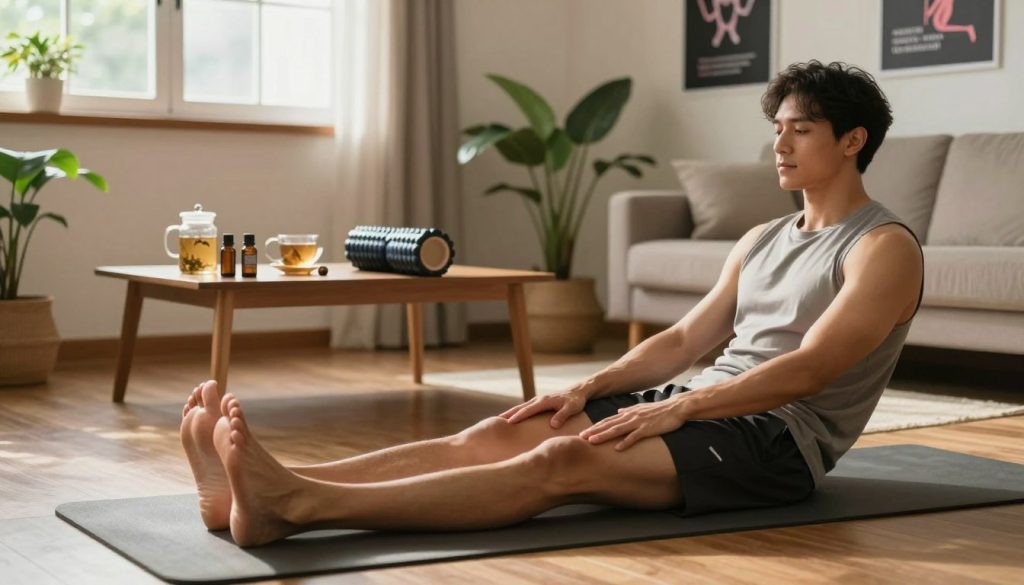
    A cozy home setting depicting the muscle recovery process. In the foreground, a fit individual in modest athletic wear is stretching on a yoga mat, demonstrating deep relaxation with a calm expression. In the middle, a table displays natural remedy tools like essential oils, a foam roller, and herbal tea, signifying effective home recovery methods. The background showcases a softly lit room with warm, natural lighting filtering through a window, plants gently swaying, and motivational fitness posters on the wall. The atmosphere is serene and inviting, conveying the peacefulness of a home environment focused on self-care and recovery. Capture this scene from a slightly elevated angle to emphasize both the subject and the setting, creating a harmonious blend of relaxation and wellness.

    Why Natural Remedies Can Be Effective

    Natural remedies, such as herbal supplements, essential oils, and topical creams, can aid in reducing muscle soreness. These remedies often work by reducing inflammation and promoting blood flow to the affected areas. Some effective natural ways to relieve sore muscles include:

    • Using arnica gel or capsaicin cream to reduce pain and inflammation
    • Applying heat or cold therapy to relax muscles and improve circulation
    • Engaging in gentle stretching to maintain flexibility and reduce stiffness

    Finding the Right Balance Between Rest and Activity

    While rest is crucial for muscle recovery, complete inactivity can sometimes prolong soreness. Engaging in light physical activity, such as walking or yoga, can help promote blood flow and aid in the removal of waste products from muscles, thereby facilitating recovery.

    Hydrotherapy: Water-Based Remedies for Muscle Relief

    Water-based remedies, collectively known as hydrotherapy, have been used for centuries to soothe muscle pain. This therapeutic approach leverages the properties of water to provide relief and promote recovery for sore muscles.

    Applying Hot and Cold Therapy Effectively

    Hot and cold therapy are fundamental components of hydrotherapy. Cold therapy, or cryotherapy, is typically used to reduce inflammation and numb pain, while hot therapy helps relax muscles and increase blood flow.

    How to Prepare an Ice Bath for Recovery

    To prepare an ice bath, fill a bathtub with cold water and add ice to achieve a temperature between 50°F to 55°F (10°C to 13°C). Soak for 10 to 15 minutes to help reduce muscle inflammation.

    Creating Therapeutic Warm Bath Soaks with Epsom Salt

    For a warm bath soak, add 1 to 2 cups of Epsom salt to warm water. Epsom salt is rich in magnesium, which can help relax muscles and reduce soreness. Soak for at least 20 minutes to maximize the benefits.

    Implementing Contrast Therapy: Step-by-Step Guide

    Contrast therapy involves alternating between hot and cold water to stimulate recovery. Start with warm water for 3-4 minutes, followed by cold water for 1 minute. Repeat this cycle 3 times, ending with cold water.

    Nutrition and Hydration Strategies for Faster Recovery

    Nutrition and hydration play a significant role in alleviating sore muscles and enhancing recovery. When you exercise, you’re not just using your muscles; you’re also depleting your body’s stores of energy and fluids. Replenishing these resources is crucial for recovery.

    Top 5 Anti-Inflammatory Foods to Reduce Muscle Soreness

    Incorporating anti-inflammatory foods into your diet can help reduce muscle soreness. Here are the top 5 foods to include:

    • Fatty Fish: Rich in omega-3 fatty acids, fish like salmon and sardines are potent anti-inflammatories.
    • Turmeric: Contains curcumin, a compound with powerful anti-inflammatory properties.
    • Ginger: Known for its anti-inflammatory effects and can be consumed fresh or as a tea.
    • Berries: Packed with antioxidants, berries like blueberries and raspberries help combat inflammation.
    • Leafy Greens: Spinach and kale are rich in antioxidants and other nutrients that help reduce inflammation.

    Optimal Protein Timing and Sources for Muscle Repair

    Protein is essential for muscle repair. Consuming protein within 30-60 minutes after exercise can help in muscle recovery. Good sources include lean meats, fish, eggs, and plant-based options like beans and tofu.

    Hydration Protocols for Enhanced Recovery

    Staying hydrated is crucial for muscle recovery. Dehydration can exacerbate muscle soreness. Aim to drink water regularly throughout the day, not just during and after exercise.

    Making Homemade Electrolyte-Rich Recovery Drinks

    Electrolytes are lost through sweat, and replenishing them is important for recovery. You can make a homemade electrolyte drink using water, salt, and natural ingredients like coconut water or honey.

    Daily Water Intake Guidelines Based on Activity Level

    Your daily water intake should be based on your activity level. A general guideline is to drink at least 8-10 glasses of water per day, adjusting according to the intensity and duration of your workouts.

    A vibrant kitchen scene showcasing a table filled with nutritious foods for muscle recovery. In the foreground, a wooden bowl overflowing with colorful fruits like bananas, berries, and oranges, alongside a plate of whole grain toast topped with avocado and a sprinkle of seeds. A protein shake in a stylish glass, featuring fresh spinach and protein powder, sits to the side. The middle ground displays various jars of nuts and seeds, creating an inviting snack area. Natural light streams in from a window, illuminating the fresh ingredients and casting soft shadows to enhance the inviting atmosphere. In the background, kitchen utensils and a potted herb plant add a homely feel, contributing to a sense of wellness and vitality. Capture a warm, motivational mood that emphasizes health and recovery.

    Natural Topical Treatments and Massage Techniques

    For those seeking relief from sore muscles, exploring natural topical treatments and massage techniques is a great place to start. These methods not only provide immediate relief but also promote long-term muscle health.

    Applying Essential Oils for Immediate Pain Relief

    Essential oils can be a powerful tool in your arsenal against sore muscles. Peppermint oil, with its cooling effect, can be particularly effective.

    Peppermint Oil Massage Technique

    To use peppermint oil, mix a few drops with a carrier oil like coconut oil and massage it into the affected area. The cooling sensation can help reduce pain and inflammation.

    Creating Lavender and Eucalyptus Blends for Soreness

    Combining lavender and eucalyptus oils can create a potent blend for relieving muscle soreness. Lavender oil’s calming properties complement eucalyptus oil’s anti-inflammatory effects.

    Self-Massage Methods Anyone Can Do

    Self-massage is another effective technique for relieving sore muscles. It can be done using your hands or tools like foam rollers.

    Proper Foam Rolling Techniques for Major Muscle Groups

    Foam rolling can help release tension in major muscle groups. Focus on areas like your IT band, quadriceps, and hamstrings.

    Finding and Treating Trigger Points at Home

    Trigger points are areas of muscle tissue that are knotted and painful. Using a tennis ball or similar tool can help you locate and relieve these areas.

    Technique Benefits Best For
    Peppermint Oil Massage Cooling effect, reduces pain and inflammation Immediate pain relief
    Lavender and Eucalyptus Blend Anti-inflammatory, calming Relieving muscle soreness
    Foam Rolling Releases tension, improves circulation Major muscle groups

    Recipes for DIY Muscle Rubs and Balms

    Creating your own DIY muscle rubs and balms can be a fun and effective way to manage sore muscles. Using natural ingredients like beeswax, coconut oil, and essential oils, you can tailor your products to your specific needs.

    Gentle Stretching and Movement Exercises for Relief

    Gentle stretching and movement exercises can be a game-changer for relieving sore muscles and promoting recovery. When done correctly, these exercises can help alleviate muscle tension, improve flexibility, and enhance overall well-being.

    Safe Stretching Protocols are essential to avoid further injury or strain. Understanding the difference between static and dynamic stretching is crucial for effective recovery.

    Safe Static vs. Dynamic Stretching Protocols

    Static stretching involves holding a stretch for a period, usually 15-30 seconds. This type of stretching can help improve flexibility and reduce muscle soreness. On the other hand, dynamic stretching involves moving through a range of motion while keeping the muscles active. Dynamic stretches can help prepare the muscles for activity and improve blood flow.

    When to use each: Static stretches are best used after exercise or when the muscles are warm, while dynamic stretches are ideal before exercise or when you need to increase blood flow and mobility.

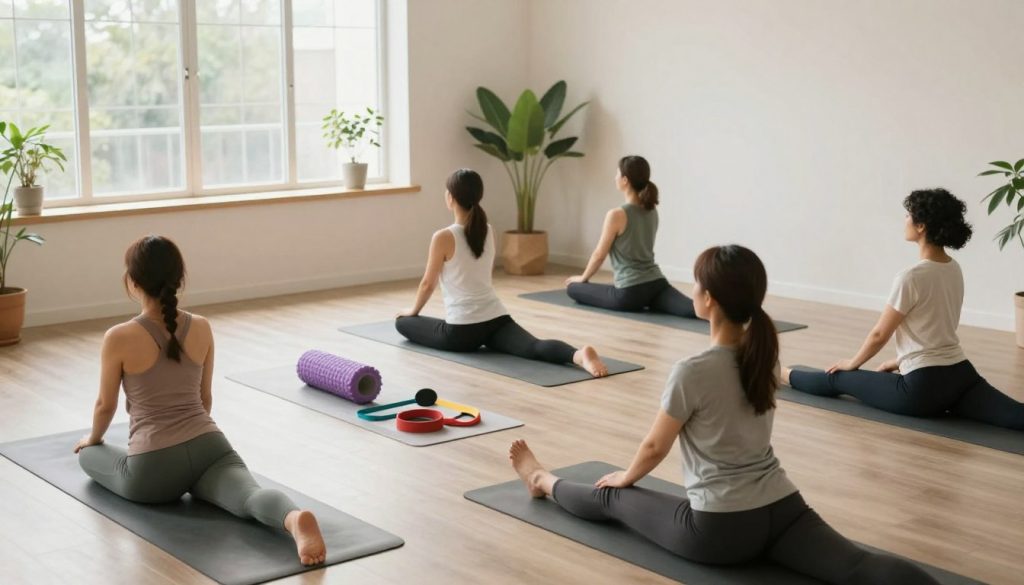
    A serene indoor environment featuring a bright, sunlit room with large windows. In the foreground, a diverse group of individuals practicing gentle stretching exercises, clad in modest athletic wear. One person is shown performing a seated hamstring stretch, while another is doing a standing quadriceps stretch. In the middle, a yoga mat is laid out with props like a foam roller and resistance bands. The background showcases calming wall colors, indoor plants, and soft, diffused natural light streaming in, creating a peaceful and inviting atmosphere. The scene captures a sense of relaxation and focus, embodying the importance of muscle recovery and gentle movement exercises. The angle is slightly elevated, providing a comprehensive view of the exercise movements and the serene environment.

    5 Restorative Yoga Poses for Different Muscle Groups

    Restorative yoga can be highly beneficial for muscle recovery. Here are five poses targeting different muscle groups:

    • Legs Up The Wall Pose: Relaxes the lower back and legs
    • Reclined Pigeon Pose: Stretches the hips and glutes
    • Reclined Spinal Twist: Relaxes the spine and improves flexibility
    • Sphinx Pose: Strengthens the back muscles and opens the chest
    • Child’s Pose: Stretches the back, hips, and legs

    Light Activity Ideas to Promote Blood Flow and Healing

    Engaging in light physical activities can help promote blood flow and aid in the healing process. Some ideas include:

    • Taking a leisurely walk
    • Doing some light swimming or water aerobics
    • Cycling at a low intensity
    • Performing gentle yoga or tai chi

    By incorporating these gentle stretching and movement exercises into your routine, you can significantly enhance your muscle recovery and overall well-being.

    Sleep and Rest: Maximizing Recovery Overnight

    Quality sleep is a cornerstone of effective muscle recovery strategies. When you sleep, your body repairs and rebuilds muscle tissue, making it essential for athletes and individuals who engage in strenuous physical activity.

    Optimal Sleep Duration

    Determining your optimal sleep duration is crucial. Most adults need 7-9 hours of sleep per night. Adequate sleep helps in reducing muscle soreness and improving performance.

    Creating a Sleep-Conducive Environment

    Setting up your bedroom for restorative sleep involves creating a cool, dark, and quiet environment. Consider using blackout curtains, earplugs, or a white noise machine if necessary.

    Planning Recovery Days

    It’s essential to balance active recovery and complete rest days. Active recovery involves light activities like walking or yoga, which can promote blood flow and healing without exerting too much stress on your muscles.

    Conclusion: Creating Your Personalized Muscle Recovery Plan

    Now that we’ve explored various muscle recovery techniques and best home remedies for sore muscles, it’s time to create a personalized plan that suits your needs. By combining hydrotherapy, nutrition strategies, natural topical treatments, and gentle stretching exercises, you can develop an effective routine to alleviate muscle soreness.

    Start by identifying the activities that cause you the most discomfort and then select the most suitable remedies. For instance, if you’re an avid runner, you may benefit from incorporating hydrotherapy and nutrition strategies into your recovery routine. Experiment with different techniques to find what works best for you.

    By tailoring your muscle recovery plan to your lifestyle and preferences, you’ll be able to bounce back faster from intense workouts and maintain overall muscle health. Incorporate these best home remedies for sore muscles into your daily routine to experience the benefits of a well-rounded recovery plan.

    FAQ

    What are some effective home remedies for sore muscles?

    Some effective home remedies for sore muscles include hydrotherapy, such as hot and cold therapy, Epsom salt baths, and contrast therapy. Additionally, nutrition and hydration strategies like consuming anti-inflammatory foods, optimal protein timing, and hydration protocols can help alleviate muscle soreness.

    How can I relieve sore muscles naturally?

    You can relieve sore muscles naturally by using topical treatments like essential oils, self-massage techniques, and foam rolling. Gentle stretching and movement exercises, such as restorative yoga poses and light activity, can also promote blood flow and healing.

    What are some muscle recovery techniques I can try at home?

    Some muscle recovery techniques you can try at home include hydrotherapy, nutrition and hydration strategies, natural topical treatments, and gentle stretching and movement exercises. You can also try self-massage methods, foam rolling, and DIY muscle rubs.

    How can I recover from muscle soreness quickly?

    To recover from muscle soreness quickly, focus on a combination of rest, nutrition, and hydration. Consume anti-inflammatory foods, optimal protein, and stay hydrated. You can also try hydrotherapy, natural topical treatments, and gentle stretching and movement exercises.

    What are some best home remedies for sore muscles after exercise?

    Some of the best home remedies for sore muscles after exercise include hydrotherapy, such as ice baths and contrast therapy, nutrition and hydration strategies, and natural topical treatments like essential oils and DIY muscle rubs. Gentle stretching and movement exercises can also help alleviate muscle soreness.

    How can I alleviate chronic muscle pain at home?

    To alleviate chronic muscle pain at home, try a combination of hydrotherapy, nutrition and hydration strategies, natural topical treatments, and gentle stretching and movement exercises. It’s also essential to prioritize sleep and rest, and consider planning active recovery days.

    Are there any natural ways to relieve sore muscles?

    Yes, there are several natural ways to relieve sore muscles, including hydrotherapy, nutrition and hydration strategies, natural topical treatments, and gentle stretching and movement exercises. You can also try self-massage methods, foam rolling, and DIY muscle rubs.

    How can I promote muscle recovery overnight?

    To promote muscle recovery overnight, focus on getting optimal sleep duration, creating a sleep-conducive environment, and planning active recovery days. You can also try relaxation techniques, such as deep breathing or meditation, to help your body recover.
  • 5-Minute Full Body Stretch: A Simple Routine

    5-Minute Full Body Stretch: A Simple Routine

    Can a mere 5 minutes a day make a difference in how you feel? Imagine starting your day with a quick and easy stretch that loosens up your muscles and gets you ready to take on whatever comes your way.

    A simple 5-minute routine can be just what you need to improve flexibility and reduce tension. It’s an accessible way to enhance your overall well-being, and it’s easy to fit into even the busiest of schedules.

    By incorporating this easy full body stretch into your daily routine, you can experience the benefits of improved flexibility and reduced muscle tension. It’s a great way to take care of your body, and it only takes a few minutes each day.

    Key Takeaways

    • Improve flexibility with just a few minutes of stretching a day
    • Reduce muscle tension and enhance overall well-being
    • Easy to fit into a busy schedule
    • Enhance your daily routine with a quick and effective stretch
    • Experience the benefits of a full body stretch in just 5 minutes a day

    The Benefits of a Quick Daily Stretching Routine

    Starting your day with a quick full-body stretch can set a positive tone and improve your overall health. Incorporating beginner stretching exercises into your daily routine can have a significant impact on both physical and mental well-being.

    A daily stretching routine, even if it’s just a few minutes, can lead to numerous benefits. These benefits can be broadly categorized into physical and mental/emotional advantages.

    Physical Benefits: Improved Flexibility and Reduced Tension

    Regular stretching can improve flexibility by increasing range of motion and reducing muscle stiffness. It can also reduce muscle tension, which is beneficial for individuals with jobs that involve sitting or standing for long periods.

    Improved flexibility allows for more efficient movement and can enhance athletic performance. Reduced tension can lead to less strain on muscles and joints, potentially reducing the risk of injury.

    Physical Benefits Description
    Improved Flexibility Increased range of motion and reduced muscle stiffness
    Reduced Muscle Tension Less strain on muscles and joints, potentially reducing injury risk

    Mental and Emotional Benefits: Stress Relief and Better Focus

    Stretching is not just beneficial for the body; it also has a positive impact on mental and emotional health. It can help reduce stress and anxiety by releasing endorphins, also known as “feel-good” hormones.

    A quick full body stretch can help improve focus and concentration by increasing blood flow to the brain. This can be particularly beneficial for individuals looking to enhance their productivity or prepare for a mentally demanding task.

    Preparing for Your Simple Stretching Routine for Full Body

    To get the most out of your basic full body stretching routine, it’s essential to prepare properly. This involves creating a conducive environment, mastering the right techniques, and understanding safety precautions.

    Step 1: Creating the Right Environment and Space

    To start, identify a quiet, comfortable space where you can stretch without distractions. Ensure the area is clear of clutter and has a smooth, non-slippery floor. You may also want to consider using a yoga mat for better grip and comfort.

    Step 2: Mastering Proper Breathing Techniques

    Proper breathing is crucial for an effective stretching routine. Practice deep, controlled breathing to help relax your muscles and enhance flexibility. Inhale deeply through your nose, hold your breath for a few seconds, and exhale slowly through your mouth.

    Step 3: Understanding Safety Precautions and Modifications

    Before you begin your gentle full body stretch, it’s vital to understand your body’s limits. Be aware of any injuries or conditions that may affect your stretching. Modify stretches as needed to accommodate your comfort level and avoid injury.

    Preparation Step Description Benefits
    Creating the Right Environment Clear a quiet, comfortable space Reduces distractions, enhances focus
    Mastering Breathing Techniques Practice deep, controlled breathing Relaxes muscles, improves flexibility
    Understanding Safety Precautions Be aware of your body’s limits Prevents injury, ensures a safe practice

    A serene yoga studio setting with soft wooden floors and calming neutral walls, bathed in warm, natural light filtering through large windows. In the foreground, a person in modest, comfortable athletic wear performs a gentle full-body stretch, embodying relaxation and mindfulness. Their pose is graceful, demonstrating an elegant extension of arms overhead and a slight bend at the waist, showcasing flexibility. A plush yoga mat lies beneath them, complementing the tranquil atmosphere. In the background, subtle hints of green plants and calming decor evoke a peaceful environment, inviting viewers to immerse themselves in the idea of stretching and wellness. The photo is taken from a low angle to emphasize the stretch, with soft focus on the background to enhance the calm, inviting mood of the scene.

    By following these steps, you can create a safe and effective stretching routine that enhances your overall well-being.

    The 5-Minute Full Body Stretch Sequence

    A 5-minute full body stretch sequence is an ideal way to boost flexibility and energy. This simple routine can be adapted to suit different fitness levels, making it perfect for beginners and experienced individuals alike. By incorporating this quick stretch into your daily routine, you can improve your overall flexibility, reduce muscle tension, and enhance your mental well-being.

    Step 1: Upper Body Stretches (1-2 minutes)

    Begin your stretching routine by focusing on your upper body. This includes stretches for your neck, shoulders, arms, and chest. These areas are prone to tension, especially for those who spend a lot of time sitting or working on computers.

    Neck and Shoulder Release Technique

    Gently tilt your head to the right, bringing your ear towards your right shoulder. Hold for 30 seconds and then switch to the left side. This helps relieve tension in the neck and shoulder area. Repeat on both sides for optimal relief.

    Arm and Chest Opener Movement

    Hold your arms straight out to the sides at shoulder height. Slowly rotate your arms in a circular motion, first clockwise and then counterclockwise. This movement helps loosen the shoulder joints and open up the chest, improving your posture and reducing stiffness.

    Step 2: Core and Back Stretches (1-2 minutes)

    Next, focus on your core and back. Stretching these areas can help alleviate lower back pain and improve your overall flexibility.

    Gentle Spinal Twist for Lower Back Relief

    Sit on the floor with your legs extended. Bend your right knee and cross it over your left leg. Twist your torso to the right, placing your right hand on the floor behind you for support. Hold for 30 seconds and then repeat on the other side. This stretch helps relieve tension in the lower back.

    Side Stretch for Obliques and Waist

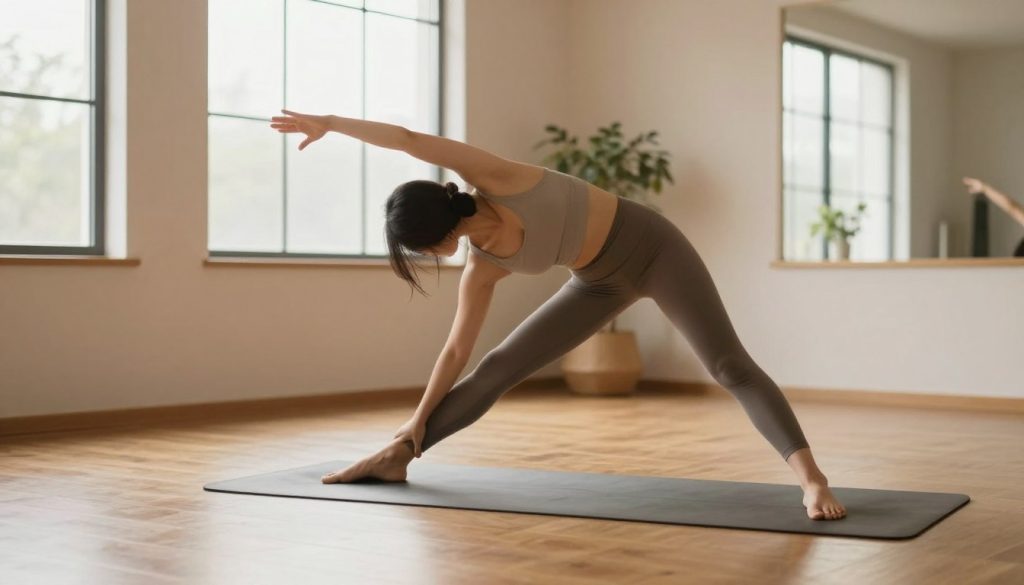
    Stand with your feet shoulder-width apart. Raise your right arm and lean to the left, stretching your obliques and waist. Hold for 30 seconds and then repeat on the other side. This stretch is great for improving flexibility and reducing side tension.

    Step 3: Lower Body Stretches (1-2 minutes)

    Move on to stretching your lower body, focusing on your hips, glutes, hamstrings, and calves. These stretches are crucial for improving mobility and reducing muscle soreness.

    Hip and Glute Opener Positions

    Lie on your back with your knees bent and feet flat on the floor. Cross your right ankle over your left knee and gently pull your left knee towards your chest. Hold for 30 seconds and then switch sides. This stretch helps open up the hips and glutes, improving flexibility.

    Hamstring and Calf Release Movements

    Sit on the floor with your legs extended. Lean forward, reaching for your toes, and hold for 30 seconds. This stretch targets the hamstrings. For your calves, stand facing a wall with one hand on the wall for balance. Step one foot back about a foot and a half, keeping your heel on the ground. Bend the front knee and lean forward, holding for 30 seconds before switching legs.

    Step 4: Full Body Integration Stretch (1 minute)

    Finish your stretching routine with a full body integration stretch. Stand with your feet shoulder-width apart and raise your arms overhead. Take a deep breath in, stretching upwards, and then exhale, slowly lowering your arms and bending forward at the hips. Hold for a few seconds and then slowly stand up, feeling the stretch throughout your entire body.

    By following this 5-minute full body stretch sequence, you can enjoy the benefits of improved flexibility, reduced muscle tension, and a sense of relaxation. Make it a part of your daily routine to experience these benefits firsthand.

    Maximizing the Benefits of Your 5-Minute Routine

    The key to reaping the rewards of a 5-minute stretching routine lies in its consistent practice and gradual progression. By incorporating a few simple strategies into your daily routine, you can enhance the effectiveness of your stretching exercises and enjoy improved flexibility and overall well-being.

    Consistency Tips: How to Make Stretching a Daily Habit

    To make stretching a daily habit, start by scheduling it into your daily planner or setting reminders on your phone. Consistency is key to experiencing the benefits of a full body flexibility routine.

    • Begin with a manageable goal, such as stretching at the same time every day.
    • Find a quiet, comfortable space where you can stretch without distractions.
    • Make it a habit by incorporating it into your daily routine, like brushing your teeth or taking a shower.

    Progression Guide: Safely Deepening Your Stretches Over Time

    As you become more comfortable with your 5-minute routine, you can gradually deepen your stretches to continue improving your flexibility.

    “The body achieves what the mind believes.”

    – Unknown

    To safely deepen your stretches, focus on proper breathing and gentle, controlled movements. Avoid bouncing or forcing beyond a comfortable range of motion.

    Progression Stage Tips
    Initial Stage Focus on proper form and breathing.
    Intermediate Stage Gradually increase the depth of your stretches.
    Advanced Stage Hold stretches for longer periods and explore more complex movements.

    Complementary Practices: Pairing Stretching with Other Wellness Activities

    Combining your 5-minute full body stretch with other wellness practices can enhance its benefits and contribute to a more balanced lifestyle.

    Consider pairing your stretching routine with activities like yoga, meditation, or a short walk. This can help improve your overall flexibility, reduce stress, and boost your mood.

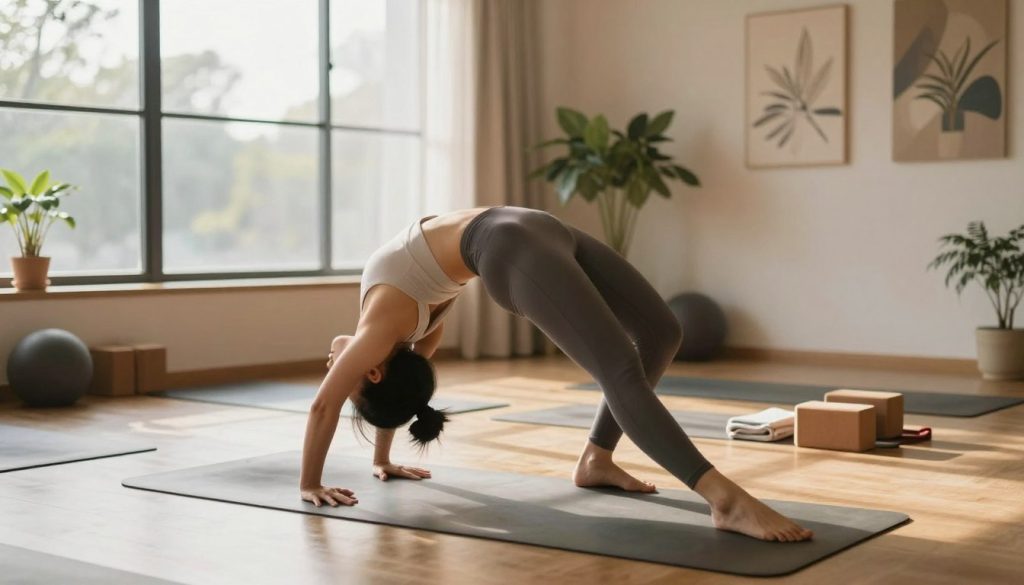
    A serene indoor yoga studio with large windows letting in soft, natural light, creating a warm and inviting atmosphere. In the foreground, a person is demonstrating a full-body flexibility routine, wearing modest athletic wear. They are executing a deep forward bend, with one leg extended and the other bent for balance, showcasing grace and focus. In the middle ground, various yoga mats and props like blocks and straps are neatly arranged, symbolizing preparedness for a stretching session. In the background, potted plants and calming wall art add to the tranquil environment. The camera is positioned at a slight angle to capture the entire scene, emphasizing both the practitioner and the peaceful setting, while the lighting highlights the body's form and flexibility in a motivational and inspiring way.

    Conclusion

    By incorporating a simple stretching routine for full body into your daily schedule, you can experience significant improvements in flexibility, reduced muscle tension, and enhanced overall well-being. This 5-minute full body stretch sequence is designed to be easy to follow and adaptable to your needs.

    As you’ve learned, the benefits of a quick daily stretching routine extend beyond physical advantages, promoting mental clarity and stress relief. By committing to this simple practice, you’ll be taking a proactive step towards a healthier, more balanced lifestyle.

    Begin your stretching journey today and discover the positive impact it can have on your daily life. With consistent practice, you’ll be on your way to achieving greater flexibility and enjoying the many rewards that come with it.

    FAQ

    What is a simple stretching routine for full body?

    A simple stretching routine for full body involves a series of easy-to-follow stretches that target major muscle groups, improving flexibility and reducing tension. This can include upper body, core, and lower body stretches that can be completed in just a few minutes a day.

    How do I start a beginner stretching exercises routine?

    To start a beginner stretching exercises routine, begin by creating a quiet and comfortable space to stretch. Start with simple stretches and gradually increase the depth and duration as you become more flexible. It’s also essential to listen to your body and stop if you experience any pain.

    What are the benefits of a quick full body stretch?

    A quick full body stretch can improve flexibility, reduce muscle tension, and enhance overall well-being. It can also help to improve posture, reduce stress, and increase energy levels, making it an excellent addition to your daily routine.

    How long should a basic full body stretching routine take?

    A basic full body stretching routine can be as short as 5 minutes, making it easy to fit into even the busiest schedule. You can adjust the duration based on your needs and goals, but starting with a short routine can help you establish a consistent practice.

    Can I do a gentle full body stretch every day?

    Yes, you can do a gentle full body stretch every day. In fact, consistency is key when it comes to improving flexibility and reducing muscle tension. Daily stretching can help you maintain a healthy range of motion and reduce the risk of injury.

    What is an effective full body stretch for improving flexibility?

    An effective full body stretch for improving flexibility involves a combination of static stretches that target major muscle groups. This can include stretches for the hamstrings, quadriceps, hip flexors, and lower back, as well as stretches for the upper body, such as the shoulders and chest.

    How can I modify stretches to suit my needs?

    You can modify stretches to suit your needs by adjusting the depth, duration, and range of motion. For example, if you’re experiencing tightness or pain in a particular area, you can reduce the intensity of the stretch or avoid it altogether. It’s also essential to listen to your body and stop if you experience any discomfort or pain.

    Can stretching help with stress relief and better focus?

    Yes, stretching can help with stress relief and better focus. Stretching can help reduce muscle tension, improve circulation, and promote relaxation, making it an excellent way to manage stress and improve mental clarity.
  • Revive Sore Muscles: Expert Tips for Post-Workout Recovery

    Revive Sore Muscles: Expert Tips for Post-Workout Recovery

    Are you tired of feeling drained and sore after a intense workout? Effective post-workout muscle recovery is crucial for athletes and fitness enthusiasts alike. Without proper recovery techniques, you risk injury, fatigue, and decreased performance.

    So, what’s the secret to reviving sore muscles? It starts with understanding the importance of muscle recovery techniques. By incorporating expert-approved methods into your routine, you can alleviate muscle soreness, boost flexibility, and enhance overall well-being.

    Key Takeaways

    • Effective post-workout recovery is crucial for overall fitness.
    • Proper recovery techniques can alleviate muscle soreness.
    • Expert-approved methods can boost flexibility and well-being.
    • Inadequate recovery can lead to injury and fatigue.
    • Incorporating recovery techniques into your routine is essential.

    Understanding Muscle Soreness and Recovery

    When you exercise, you’re not just building muscle; you’re also causing micro-tears that lead to soreness. This soreness, known as delayed onset muscle soreness (DOMS), is a natural response to physical stress. Understanding the underlying causes of muscle soreness and the physiological processes involved in recovery is crucial for developing effective muscle recovery tips.

    What Causes Muscle Soreness After Exercise

    Muscle soreness is primarily caused by eccentric contractions, which lead to micro-tears in the muscle fibers. This damage triggers an inflammatory response, resulting in soreness and stiffness. Factors such as intensity, duration, and frequency of exercise can exacerbate muscle fatigue.

    The Science Behind Muscle Repair

    The repair process involves several stages, including inflammation, repair, and rebuilding. During inflammation, the body clears away damaged tissue. The repair stage involves the activation of satellite cells, which help rebuild muscle fibers. Adequate nutrition and rest are critical during this phase to support muscle recovery.

    Different Types of Muscle Fatigue

    There are several types of muscle fatigue, including:

    • Central fatigue: related to the nervous system’s ability to activate muscles.
    • Peripheral fatigue: occurs within the muscles themselves.
    • Metabolic fatigue: caused by the depletion of energy stores.

    Understanding these types can help in tailoring muscle recovery tips to address specific needs.

    How to Recover Muscles After Workout: Immediate Steps

    The moments following your workout are crucial for muscle recovery. Implementing the right strategies during this period can significantly enhance your body’s ability to repair and rebuild muscle tissue.

    Proper Cool-Down Techniques

    A proper cool-down is essential for gradually bringing your heart rate back to normal and reducing muscle stiffness. This process helps your body transition from an active state to a resting state.

    Gradual Heart Rate Reduction

    Gradually reducing your heart rate through light cardio activities such as jogging or cycling can help prevent dizziness and reduce muscle cramping.

    Light Movement Activities

    Engaging in light movement activities like walking or stretching can help maintain flexibility and reduce muscle soreness.

    Hydration Strategies for Recovery

    Replenishing lost fluids is critical for muscle recovery. Hydration helps in transporting nutrients to your muscles and removing waste products.

    • Drink water or a sports drink within 30 minutes after your workout.
    • Monitor your urine color to ensure you’re hydrated.

    Post-Workout Stretching Routines

    Stretching after a workout can help improve flexibility and reduce muscle soreness. It’s essential to understand the difference between static and dynamic stretching.

    Static vs. Dynamic Stretching

    Static stretching involves holding a stretch for a period, while dynamic stretching involves moving through a range of motion. Both have their benefits and can be used depending on your workout type.

    Target Areas for Post-Workout Stretches

    Focus on stretching the major muscle groups you worked during your exercise. Common areas include hamstrings, quadriceps, and chest muscles.

    Stretching Technique Target Muscle Group Duration
    Static Stretch Hamstrings 20-30 seconds
    Dynamic Stretch Quadriceps 10-15 reps

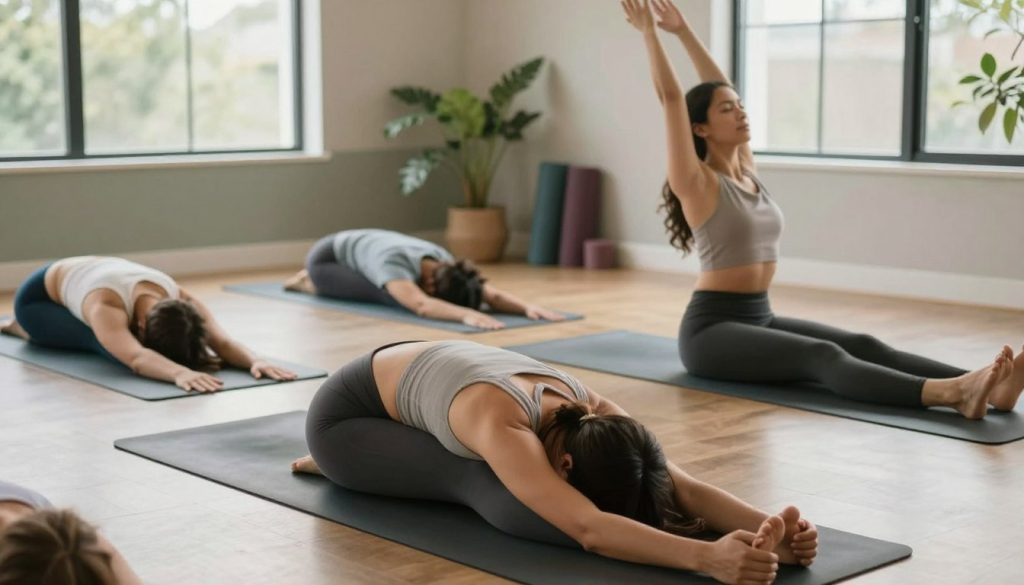
    A serene indoor yoga studio with soft natural lighting filtering through large windows. In the foreground, a diverse group of three individuals in modest activewear perform various muscle recovery stretches on yoga mats. One person is gently reaching for their toes in a seated forward bend, while another is stretching their arms overhead in a standing position. The third individual is in a calm, restorative pose, perhaps a child's pose. In the middle background, calming plants and a few rolled-up yoga mats can be seen, creating a peaceful atmosphere. The walls are painted in soothing colors, enhancing the mood of recovery and relaxation. The angle captures a slight overhead view to encompass the sense of community and encouragement among participants.

    Nutrition for Optimal Muscle Recovery

    Optimizing muscle recovery through nutrition is a critical aspect of any training regimen. Adequate nutritional intake not only aids in repairing muscle damage but also supports overall physical performance.

    Protein Intake and Timing

    Protein is a fundamental nutrient for muscle recovery, providing the necessary building blocks for muscle repair. The timing of protein intake is also crucial, as it helps to maximize the body’s natural repair processes.

    Best Protein Sources for Recovery

    The most effective protein sources for recovery include lean meats, fish, eggs, and dairy products. Whey protein is particularly beneficial due to its rapid absorption rate.

    The Anabolic Window Explained

    The anabolic window refers to the period after exercise when the body is most receptive to nutrient uptake. Consuming protein within this window can significantly enhance muscle recovery.

    Carbohydrates for Glycogen Replenishment

    Carbohydrates play a vital role in replenishing glycogen stores depleted during exercise. Consuming the right type and amount of carbohydrates is essential for maintaining energy levels and supporting muscle recovery.

    Anti-Inflammatory Foods and Supplements

    Incorporating anti-inflammatory foods and supplements into your diet can help reduce muscle soreness and enhance recovery. Foods rich in omega-3 fatty acids, such as salmon, and antioxidants, like berries, are particularly beneficial.

    Rest and Sleep: The Cornerstone of Recovery

    The importance of rest and sleep in muscle recovery cannot be overstated. Adequate rest allows your muscles to repair and rebuild, making them stronger over time. Sleep, in particular, plays a critical role in this process, as it is during deep sleep cycles that your body releases growth hormones essential for muscle repair.

    Optimal Sleep Duration for Athletes

    Athletes typically require more sleep than non-athletes. Research suggests that 7-9 hours of sleep per night is optimal for recovery and performance.

    Creating an Effective Recovery Schedule

    Balancing activity with rest is key to an effective recovery schedule. This involves planning your workouts, rest days, and sleep schedule to optimize recovery. Periodization of your training can help in managing fatigue and preventing overtraining.

    Active Rest vs. Complete Rest Days

    Active rest involves engaging in low-intensity activities on rest days, such as yoga or light swimming. This can aid in recovery by promoting blood flow without exerting excessive strain on the muscles. Complete rest days are essential for allowing your body to fully recover.

    Recovery Strategy Description Benefits
    Optimal Sleep 7-9 hours of sleep Enhanced muscle repair, improved performance
    Active Rest Low-intensity activities Promotes blood flow, aids in recovery
    Complete Rest No activity Full recovery, prevents overtraining

    A tranquil bedroom scene emphasizing the theme of rest and sleep recovery. In the foreground, a comfortably made bed with soft, fluffy pillows and a warm, inviting blanket. A peaceful figure, dressed in modest loungewear, is gently sleeping, embodying serene relaxation. In the middle ground, a bedside table holds an elegant glass of water and a small potted plant, enhancing the atmosphere of calmness. The background features soft, diffused lighting from a nearby window, casting a warm glow that highlights the cozy ambiance. Subtle shadows add depth, while hints of nature can be seen through the window, suggesting a peaceful outdoor environment. Overall, the mood is soothing and restorative, inviting viewers to embrace the importance of rest in recovery.

    Recovery Tools and Technologies

    Advanced recovery tools and technologies play a crucial role in enhancing post-workout recovery. These tools can help reduce muscle soreness, improve flexibility, and accelerate the healing process.

    Foam Rolling and Self-Myofascial Release

    Foam rolling is a form of self-myofascial release that helps to reduce muscle tension and improve circulation. By using a foam roller, individuals can target specific areas of tension, breaking up adhesions and promoting blood flow to aid in the recovery process.

    Compression Gear Benefits

    Compression gear, such as sleeves and tights, provides graduated compression to help improve blood flow and reduce muscle oscillation. This can lead to reduced muscle soreness and improved recovery times.

    Hot and Cold Therapy Techniques

    Hot and cold therapy are commonly used recovery techniques. Cold therapy, such as ice baths, helps reduce inflammation, while heat therapy promotes blood flow to the affected area.

    Ice Baths and Cryotherapy

    Ice baths and cryotherapy involve exposing the body to cold temperatures to reduce inflammation and muscle soreness. This can be particularly beneficial after intense workouts.

    Heat Application Methods

    Heat application methods, such as using a heating pad or warm bath, help increase blood flow to the muscles, promoting relaxation and reducing muscle spasms.

    Effective Muscle Recovery Supplements

    Incorporating the right supplements into your routine can significantly improve muscle recovery. Supplements can provide essential nutrients that help repair and rebuild muscle tissue after a workout.

    Essential Amino Acids and BCAAs

    Essential amino acids (EAAs) and branched-chain amino acids (BCAAs) are crucial for muscle recovery. EAAs cannot be produced by the body and must be obtained through diet or supplementation. BCAAs, which include leucine, isoleucine, and valine, are particularly important for muscle repair.

    Research has shown that BCAA supplementation can reduce muscle soreness and fatigue. A study published in the Journal of the International Society of Sports Nutrition found that BCAA supplementation before and after exercise reduced muscle damage and improved recovery.

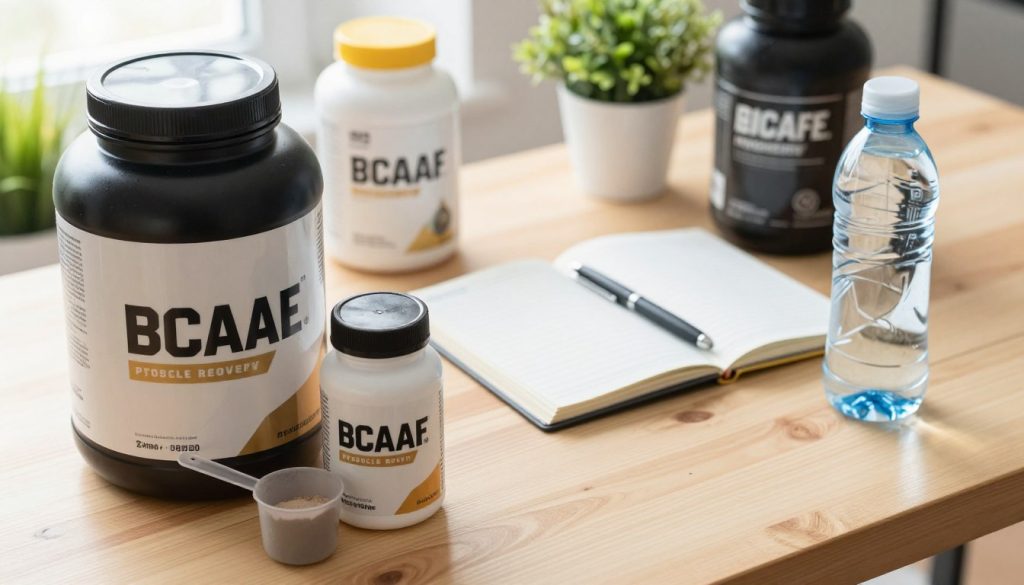
    A well-arranged display of various muscle recovery supplements in a bright, well-lit setting. In the foreground, a sleek container of protein powder and a bottle of BCAAs rest on a clean, wooden surface, alongside a small scoop and a water bottle filled with refreshing, crystal-clear water. In the middle, an open notebook and a pen are elegantly placed, symbolizing workout planning and recovery strategies. In the background, subtle green plants add a touch of vitality. The lighting is natural and warm, creating an inviting atmosphere that conveys health and wellness. The angle is slightly elevated, capturing the products in a dynamic composition that invites viewers to engage with the scene, blended with a sense of energy and revitalization.

    Creatine for Muscle Recovery

    Creatine is a popular supplement among athletes, known for its ability to increase muscle strength and endurance. It works by increasing the amount of phosphocreatine in muscles, which is used to replenish ATP stores during high-intensity activities.

    Creatine supplementation has been shown to aid in muscle recovery by reducing muscle soreness and improving muscle function after exercise.

    Natural Anti-Inflammatory Supplements

    Natural anti-inflammatory supplements such as turmeric and omega-3 fatty acids can help reduce muscle inflammation and soreness. Turmeric contains curcumin, a compound with potent anti-inflammatory properties.

    Supplement Benefits
    Essential Amino Acids/BCAAs Reduce muscle soreness, promote muscle repair
    Creatine Increase muscle strength, aid in recovery
    Turmeric/Omega-3 Reduce inflammation, alleviate muscle soreness

    Conclusion: Building a Sustainable Recovery Routine

    Building a muscle recovery routine is crucial for athletes and individuals who engage in regular physical activity. By incorporating the techniques and strategies discussed in this article, you can improve your muscle recovery and enhance your overall performance.

    A well-structured muscle recovery routine includes a combination of proper nutrition, hydration, rest, and recovery tools. Implementing fast muscle recovery strategies such as foam rolling, compression gear, and hot and cold therapy can also help to reduce muscle soreness and improve recovery time.

    To improve muscle recovery, it’s essential to prioritize rest and sleep, allowing your muscles to repair and rebuild. A balanced diet that includes protein, complex carbohydrates, and anti-inflammatory foods can also support muscle recovery.

    By making recovery a priority and incorporating these techniques into your daily routine, you can achieve fast and effective muscle recovery, reduce the risk of injury, and enhance your overall health and fitness.

    FAQ

    What are the best ways to recover muscles after a workout?

    Effective muscle recovery techniques include proper cool-down techniques, hydration strategies, post-workout stretching routines, and nutrition planning, including protein intake and carbohydrates for glycogen replenishment.

    How can I reduce muscle soreness after exercise?

    Reducing muscle soreness can be achieved through a combination of techniques, including foam rolling, self-myofascial release, compression gear, and hot and cold therapy techniques, such as ice baths and heat application methods.

    What role does nutrition play in muscle recovery?

    Nutrition plays a crucial role in muscle recovery, with protein intake and timing being essential for muscle repair, and carbohydrates helping to replenish glycogen stores. Anti-inflammatory foods and supplements can also aid in reducing muscle soreness.

    How important is rest and sleep for muscle recovery?

    Adequate rest and sleep are essential for muscle recovery, with optimal sleep duration for athletes being a critical factor. Creating an effective recovery schedule that balances activity with rest is also vital.

    Can supplements aid in muscle recovery?

    Yes, certain supplements, such as essential amino acids, BCAAs, creatine, and natural anti-inflammatory supplements, can support muscle recovery by aiding in muscle repair, reducing muscle soreness, and promoting overall recovery.

    How can I improve my muscle recovery routine?

    Improving your muscle recovery routine involves a combination of techniques, including proper cool-down techniques, hydration strategies, post-workout stretching routines, nutrition planning, rest, and sleep, as well as incorporating recovery tools and technologies, such as foam rolling and compression gear.

    What is the anabolic window, and how does it impact muscle recovery?

    The anabolic window refers to the period after exercise when the body is most receptive to nutrient uptake and muscle repair. Consuming protein and carbohydrates within this window can aid in muscle recovery and promote muscle growth.

    How can I create an effective recovery schedule?

    Creating an effective recovery schedule involves balancing activity with rest, allowing for adequate sleep and recovery time, and incorporating active rest days, such as light yoga or a leisurely walk, to aid in the recovery process.
  • Daily Mobility Exercises for Beginners

    Daily Mobility Exercises for Beginners

    Are you struggling with stiffness and limited range of motion, wondering if there’s a simple way to improve your overall flexibility and well-being? Can a few minutes of daily movement really make a difference? The answer lies in incorporating simple mobility exercises into your daily routine.

    As a beginner, starting with gentle and manageable movements can help you build a strong foundation for improved flexibility and reduced muscle tension. This article will guide you through the basics of mobility exercises, providing a clear understanding of how to get started and what to expect.

    Key Takeaways

    • Understand the benefits of mobility exercises for overall well-being
    • Learn simple exercises to improve flexibility and reduce stiffness
    • Discover how to incorporate mobility exercises into your daily routine
    • Get tips on progressing from beginner to more advanced movements
    • Find out how mobility exercises can enhance your overall quality of life

    Understanding Mobility and Why It Matters

    Understanding mobility is essential for maintaining a healthy and active lifestyle. Mobility refers to the ability to move freely and easily, which is crucial for performing daily tasks and maintaining independence.

    The Difference Between Mobility and Flexibility

    Mobility and flexibility are often used interchangeably, but they have distinct meanings. Mobility refers to the ability of a joint to move through its range of motion, while flexibility is the ability of muscles to lengthen. Both are essential for optimal movement.

    Health Benefits of Regular Mobility Practice

    Regular mobility practice offers numerous health benefits, including improved range of motion, reduced risk of injury, and enhanced overall physical function. It can also improve posture and reduce muscle tension.

    Benefit Description
    Improved Range of Motion Increased ability to move joints through their full range.
    Reduced Injury Risk Enhanced joint stability and resilience.
    Better Posture Improved alignment and reduced muscle strain.

    Common Mobility Issues in Modern Life

    Modern lifestyles often lead to mobility issues, such as sedentary behavior and poor posture

    By incorporating simple daily mobility drills into your routine, you can improve your overall mobility and reduce the risk of common mobility issues.

    Getting Started with Daily Mobility Exercises for Beginners

    Embarking on a daily mobility exercise routine can be a transformative experience for beginners. To ensure a smooth start, it’s essential to understand the basics of mobility training.

    Essential Equipment for Mobility Training

    While mobility exercises can be done with minimal equipment, having the right tools can enhance your practice. Beginner-friendly mobility tools include resistance bands and foam rollers.

    Beginner-Friendly Mobility Tools

    Resistance bands are versatile and portable, making them ideal for beginners. They come in various resistance levels, allowing you to progress at your own pace.

    No-Equipment Options

    If you prefer not to use equipment, bodyweight exercises are a great alternative. Simple movements like leg swings and arm circles can be very effective.

    Creating Space for Your Practice

    Designate a quiet, clutter-free area for your mobility practice. Ensure the space is large enough to move freely.

    Setting Realistic Expectations

    Understand that mobility is a journey. Be patient and consistent, and you’ll see progress over time.

    Safety Considerations Before You Begin

    Before starting any new exercise routine, consider your health and any potential limitations. Consult with a healthcare professional if you have concerns.

    Equipment Benefits
    Resistance Bands Portable, versatile, and adjustable resistance
    Foam Rollers Great for self-myofascial release and improving circulation
    Bodyweight Exercises No equipment needed, effective for improving mobility

    A bright and inviting fitness studio setting, featuring a diverse group of three beginner participants engaged in various mobility exercises. In the foreground, a young woman practices a gentle hip-opening stretch while wearing modest athletic wear. In the middle ground, a middle-aged man performs shoulder rolls, and beside him, an elderly woman demonstrates a seated torso twist, all smiling and showing enthusiasm for their routines. The background includes large windows allowing natural light to flood the room, creating a warm atmosphere. Soft wooden flooring and colorful exercise mats add to the inviting ambiance. The lighting is bright but soft, capturing a welcoming and encouraging environment for beginners. The angle is slightly elevated, showcasing the participants’ movements and fostering a sense of community and support.

    Upper Body Mobility Exercises

    Gentle mobility movements for novices often start with upper body exercises to enhance flexibility and reduce stiffness. These exercises are designed to be simple, effective, and easy to incorporate into daily routines.

    Neck and Shoulder Mobility Drills

    Neck and shoulder mobility drills are essential for relieving tension and improving range of motion. These exercises target common areas of stiffness.

    Controlled Neck Rotations

    Slowly rotate your neck to the right, bringing your ear towards your shoulder, then return to the starting position and repeat on the left side.

    Shoulder Circles and Shrugs

    Make small circles with your shoulders, first clockwise and then counterclockwise. Follow this with shoulder shrugs to loosen the muscles.

    Wall Angels

    Stand with your back against a wall and arms at a 90-degree angle. Slowly move your arms up and down, maintaining contact with the wall.

    Wrist and Forearm Exercises

    Wrist and forearm exercises help to alleviate stiffness and improve dexterity. Simple rotations and extensions can make a significant difference.

    Thoracic Spine Mobility Movements

    Thoracic spine mobility is crucial for overall upper body flexibility. Gentle twists and extensions can help improve mobility.

    Exercise Benefit Repetitions
    Controlled Neck Rotations Relieves neck tension 5-10
    Shoulder Circles Loosens shoulder muscles 5-10
    Wall Angels Improves shoulder mobility 5-10

    Shoulder Blade and Chest Openers

    Exercises that target the shoulder blades and chest can significantly improve posture and reduce discomfort. Squeeze your shoulder blades together and hold for a few seconds before releasing.

    Lower Body Mobility Routines

    Focusing on lower body mobility can significantly improve daily functioning and athletic performance. A well-structured mobility routine can enhance flexibility, reduce the risk of injury, and improve overall movement quality.

    Hip Mobility Fundamentals

    Hip mobility is crucial for maintaining healthy hips and improving overall lower body mobility. Incorporating specific exercises can help increase range of motion and reduce stiffness.

    Gentle Hip Circles

    Gentle hip circles involve rotating the hips in a circular motion, first clockwise and then counterclockwise. This exercise helps loosen the hip joint and improve mobility.

    World’s Greatest Stretch

    The world’s greatest stretch is a dynamic stretch that targets the hips, glutes, and lower back. It involves a lunge position with the back knee almost touching the ground, followed by a rotation of the torso.

    Deep Squat Holds

    Deep squat holds involve lowering into a deep squat position and holding for a few seconds. This exercise strengthens the legs and improves hip mobility.

    A bright and inviting fitness studio with large windows letting in natural light. In the foreground, a diverse group of three individuals, dressed in comfortable athletic wear, engage in lower body mobility exercises on yoga mats. The focus is on their form, showcasing movements like squats, lunges, and hip stretches. In the middle ground, several exercise props such as resistance bands and foam rollers are arranged neatly. The background features green plants to add a touch of nature, creating a calm atmosphere. The lighting is soft yet bright, enhancing the positive energy of the scene. The overall mood is motivating and encouraging, perfect for beginners exploring mobility routines.

    Ankle and Foot Exercises

    Ankle and foot mobility exercises are essential for maintaining flexibility and preventing injuries. Simple exercises like ankle rotations and toe spreads can make a significant difference.

    Knee-Friendly Mobility Drills

    Knee-friendly mobility drills are designed to improve knee mobility without putting excessive strain on the joint. Exercises such as straight leg raises and knee extensions are beneficial.

    Hamstring and Quad Mobility Movements

    Hamstring and quad mobility movements are vital for maintaining balance and flexibility in the legs. Exercises like hamstring stretches and quad stretches can help improve mobility and reduce muscle tension.

    By incorporating these lower body mobility routines into your daily practice, you can enhance your overall mobility, improve athletic performance, and reduce the risk of injury.

    Core and Full-Body Mobility Sequences

    Core and full-body mobility sequences are essential for beginners looking to improve their flexibility and strength. These exercises help in enhancing overall physical fitness by targeting multiple muscle groups simultaneously.

    Dynamic Core Stability Exercises

    Dynamic core stability exercises are crucial for building a strong foundation. They include a variety of movements that engage the core muscles, improving stability and balance.

    • Cat-Cow Variations: These exercises help in warming up the spine and improving flexibility. Gentle and controlled movements are key.
    • Gentle Side Bends: This exercise targets the obliques, enhancing lateral flexibility.
    • Controlled Rotational Movements: These movements improve rotational strength and flexibility, essential for daily activities.

    Spinal Articulation Movements

    Spinal articulation movements involve gentle, sequential movements that help in improving the flexibility and mobility of the spine. These exercises are beneficial for maintaining a healthy back.

    Full-Body Flow Sequences for Beginners

    Full-body flow sequences are designed to integrate various mobility exercises into a cohesive routine. These sequences are perfect for beginners as they promote overall mobility and strength.

    By incorporating these core and full-body mobility sequences into your daily routine, you can significantly enhance your overall fitness and well-being. Start with slow, controlled movements and gradually increase the intensity as you become more comfortable.

    Building a Sustainable Daily Mobility Routine

    A well-structured daily mobility routine can significantly enhance overall well-being. To make mobility a sustainable part of your daily life, it’s essential to create a routine that is both effective and manageable.

    Here are some practical tips to help you build your daily mobility practice:

    • Start with short sessions and gradually increase duration
    • Incorporate mobility exercises into your daily activities
    • Focus on consistency rather than intensity

    5-Minute Morning Mobility Routine

    Begin your day with a 5-minute morning mobility routine that includes entry-level mobility drills such as neck stretches, shoulder rolls, and hip circles. This will help increase your energy levels and prepare your body for the day ahead.

    Mid-Day Movement Breaks

    Take short mid-day movement breaks to stretch and move. Even a few minutes of stretching at your desk can make a significant difference in how you feel.

    Evening Unwinding Sequence

    Create an evening unwinding sequence that includes gentle mobility exercises to help your body relax and prepare for rest. Focus on deep breathing and slow movements.

    Tracking Your Mobility Progress

    Keep a mobility journal to track your mobility progress. Note how you feel after each session and any changes you notice over time. This will help you stay motivated and committed to your practice.

    A serene home gym setting showcasing a diverse group of beginners engaging in daily mobility exercises. In the foreground, a woman performs a stretching routine on a yoga mat, wearing comfortable athletic wear, focusing on her posture. Beside her, a man is practicing dynamic lunges with a cheerful, determined expression. In the middle ground, a background of soft, natural light filtering through large windows illuminates the space, highlighting a few potted plants and exercise equipment like resistance bands and foam rollers. The atmosphere is calm yet motivational, conveying a sense of community and personal growth. The angle is slightly elevated, allowing a clear view of the exercises being performed. The overall color palette is warm and inviting, promoting a feeling of wellness and positivity.

    Conclusion: Embracing Mobility for Long-Term Wellness

    Incorporating daily mobility exercises for beginners into your routine can significantly enhance your overall wellness. By understanding the importance of mobility and starting with simple exercises, you can improve your flexibility, reduce injury risk, and boost your quality of life.

    As you’ve learned, daily mobility exercises can be adapted to suit your lifestyle, whether you’re looking to improve your upper body, lower body, or overall mobility. By committing to a regular practice, you’ll experience the benefits of increased range of motion, reduced muscle tension, and enhanced athletic performance.

    To continue your mobility journey, remember to start slow, be consistent, and listen to your body. With daily mobility exercises for beginners, you’ll be well on your way to achieving long-term wellness and enjoying a more active, healthy lifestyle.

    FAQ

    What are daily mobility exercises, and why are they important for beginners?

    Daily mobility exercises are movements designed to improve flexibility and range of motion. They’re essential for beginners as they help prevent injuries, enhance posture, and reduce muscle tension.

    Do I need any special equipment to start daily mobility exercises?

    No, you don’t necessarily need special equipment. Many beginner-friendly mobility exercises can be done without any equipment, while some may use simple tools like a yoga mat or resistance bands.

    How long should I practice daily mobility exercises as a beginner?

    Start with short sessions, around 5-10 minutes, and gradually increase the duration as you become more comfortable with the exercises and your body becomes more flexible.

    Can daily mobility exercises help with back pain?

    Yes, certain mobility exercises can help alleviate back pain by improving spinal flexibility and strengthening the muscles that support your back.

    Are daily mobility exercises suitable for people with injuries or chronic conditions?

    It’s crucial to consult with a healthcare professional before starting any new exercise routine, especially if you have injuries or chronic conditions. They can help you modify exercises to suit your needs.

    How often should I practice daily mobility exercises for optimal results?

    For optimal results, aim to practice daily mobility exercises regularly, ideally at the same time each day, such as first thing in the morning or before bed.

    Can I combine daily mobility exercises with other forms of exercise, like strength training or cardio?

    Yes, incorporating daily mobility exercises into your routine can complement other forms of exercise, enhancing your overall performance and reducing the risk of injury.

    What are some simple daily mobility drills for beginners?

    Simple daily mobility drills for beginners include neck stretches, shoulder rolls, hip circles, and ankle rotations. These exercises can be done almost anywhere and are great for improving flexibility.

    How do I track my mobility progress?

    You can track your mobility progress by journaling your exercises, noting how you feel after each session, and observing changes in your flexibility and range of motion over time.